

Furnace pilot light keeps going out in Wisconsin

Tell a local repair pro what your furnace is doing.

Get a furnace pro

A pilot light that won't stay lit is usually a thermocouple that's worn out. That's the small metal rod that sits in the flame and tells the gas valve it's safe to keep sending gas. Once it weakens, it cools faster than it should and shuts the gas off, so the flame goes out even though nothing looks wrong. A draft from a vent or a cracked window can also blow the pilot out, which matters more in a Wisconsin winter when the furnace is running most hours of the day. Sometimes it's a dirty pilot tube or a loose gas fitting instead. None of these are things to leave alone. A furnace that keeps losing its pilot will keep shutting down, and on a cold night that's not something you want to find out at 2 a.m. The part is usually simple to replace, but figuring out which of the few possible causes it actually is takes someone who can test the gas valve and the thermocouple directly.

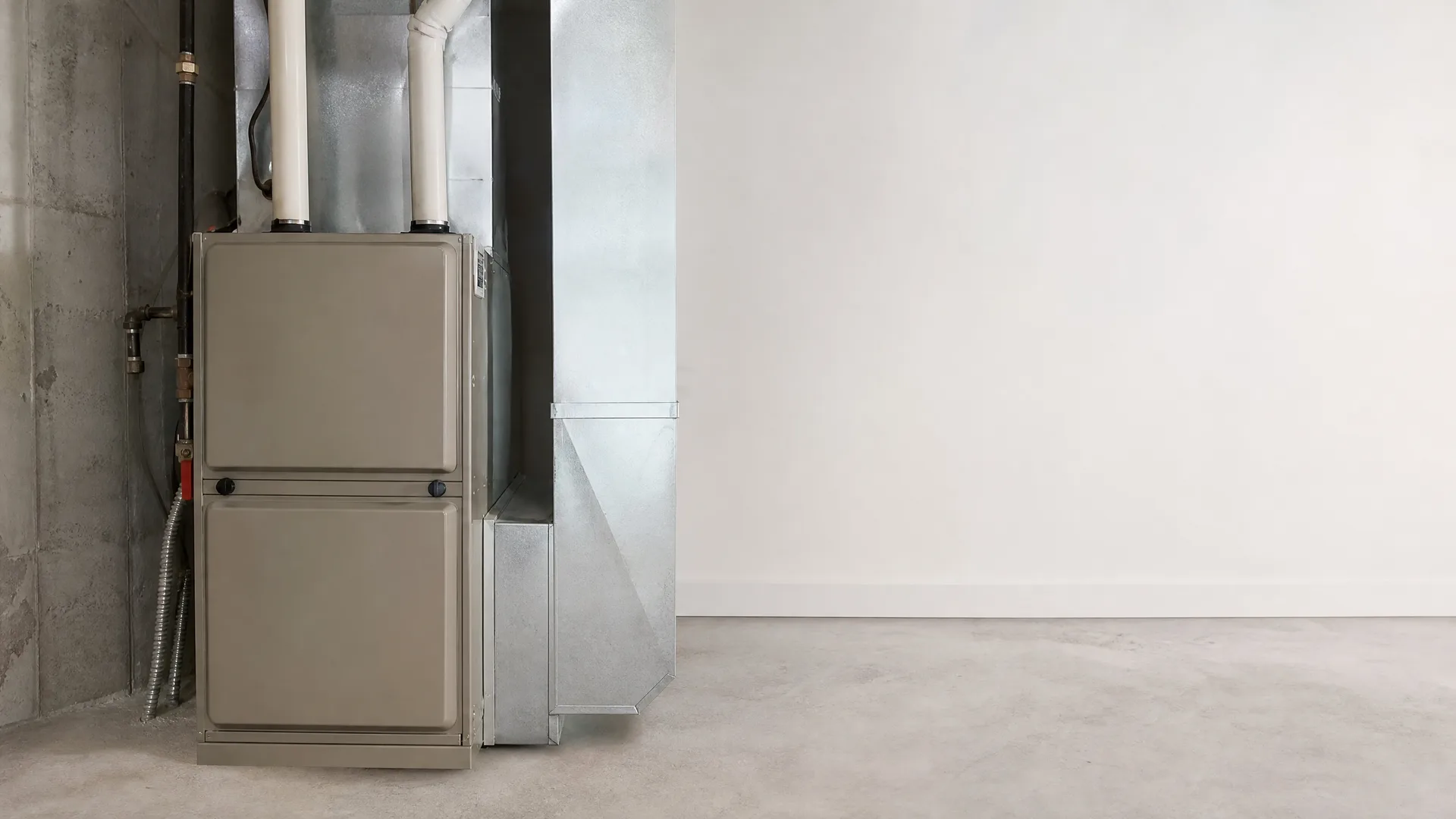
A beige high-efficiency furnace with two white PVC pipes stands beside sheet-metal ductwork and a concrete wall in an empty basement with a bare light-colored wall and concrete floor.

Why the flame keeps dying

The thermocouple only works if the pilot flame touches it the right way. If the flame has drifted off center, or if the pilot orifice is partly clogged with soot, the rod never reads enough heat to hold the valve open. A contractor checks the flame position and cleans the opening before replacing anything, since a new thermocouple won't fix a flame that's aimed wrong.

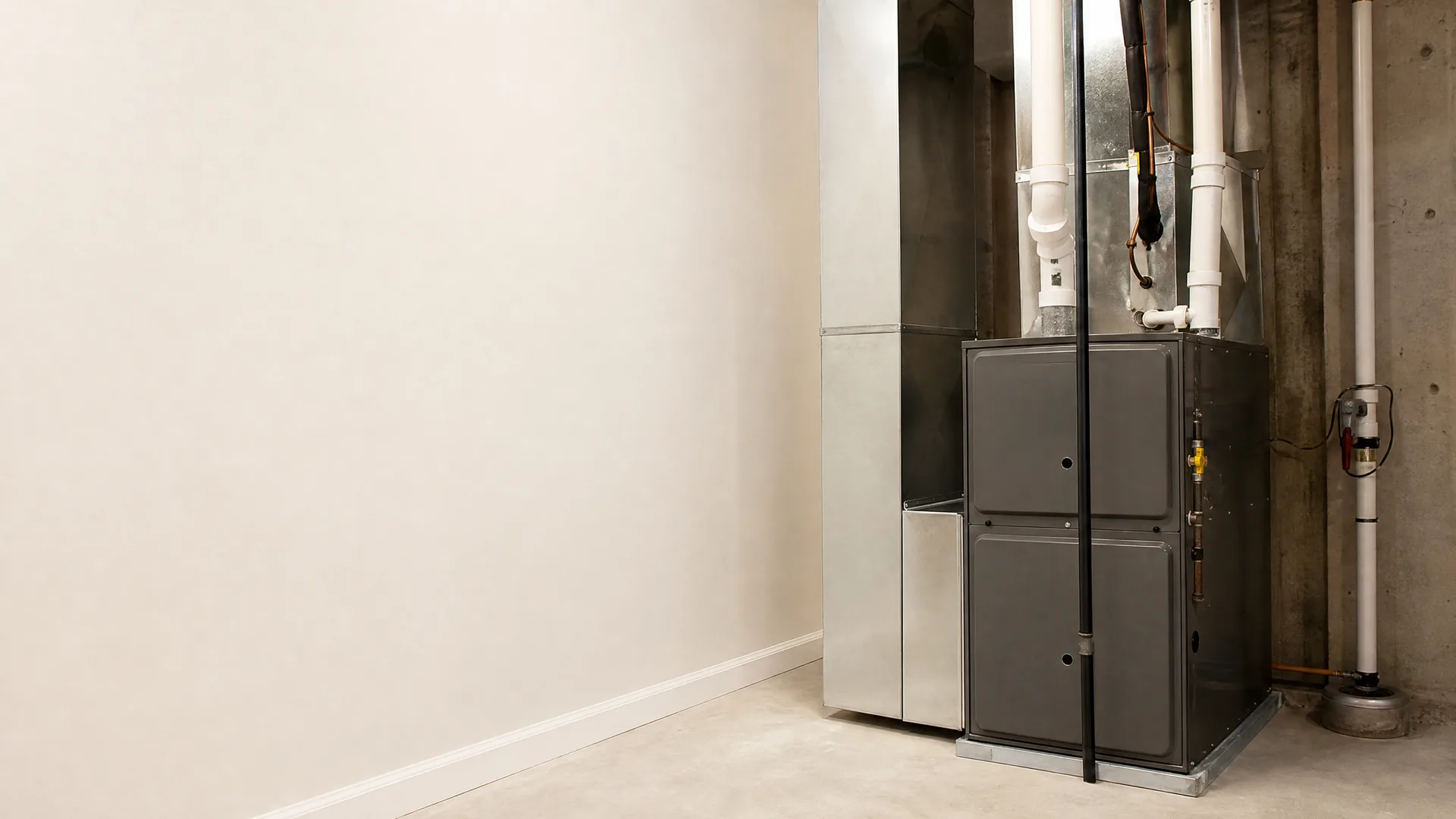
A gray furnace with sheet-metal ductwork and white PVC vent pipes stands in the corner of a finished basement room with a blank beige wall and concrete floor.

What a cold snap adds to it

Wisconsin winters put a furnace through more on and off cycles than a mild season would, and every cycle heats and cools that thermocouple again. A rod that's already worn gives out faster under that kind of repeated strain. It's common for the failure to show up in January or February, right when the furnace is running most and a homeowner can least afford to be without heat.

Why does my pilot light go out more in winter here?

Winters in Wisconsin put a furnace's pilot light under more strain than it faces the rest of the year. If yours only seems to quit once the cold sets in, that timing is telling you something specific about what's wearing out, not just bad luck repeating itself.

Cold air pulls harder on the pilot and exposes a thermocouple that's already going

Once your furnace is running for hours at a stretch instead of cycling on and off a few times a day, the thermocouple gets tested constantly. A rod that's still strong enough to hold through short bursts in October can fail when it has to hold steady through a January night. Cold drafts near the burner can also pull the flame sideways at the same time, which makes a weak thermocouple read even less heat than usual. Wisconsin winters don't cause the wear, but they're long enough and cold enough to expose it early. A contractor can test the rod's output with a meter and tell you whether it's a straightforward swap or something else drawing the pilot off center.

A snow-covered wooden mailbox post stands in a deep snowy front yard before a single-story brick house with a snow-laden roof, flanked by snow-covered evergreen trees during falling snow.

Winter nights statewide average 13°F, according to NOAA climate data, and Wisconsin's basements and furnace closets run cold enough that drafts find their way to the pilot more often than most homeowners realize. A thermocouple that's already marginal can hold through a mild evening and still drop out once the house settles in below zero. If you've noticed the pilot dying more on the coldest nights than on the milder ones, that pattern fits. Chasing it down yourself means calling around, explaining the same problem more than once, and sorting through quotes that are hard to compare. Answer a few questions about what's going on with your furnace and you'll be matched with a contractor who takes it from there, and they'll reach out to you directly.

NOAA nClimDiv 1991-2020 county normals weighted by homes

Get the right pro for your furnace

One form replaces the calls you'd make to find a furnace pro.

You're not committing to anything by asking.

Relighting it yourself

You can follow the lighting instructions on the panel, hold the knob down the full thirty seconds or so, and get the pilot going again tonight. That gets heat back on for now. It doesn't tell you why it went out, and if the thermocouple is worn or the pilot's drifted out of position, you'll be back at that panel again in a few days, probably on a night when it's colder and you'd rather not be doing this twice.


Having it looked at

A contractor can check whether the thermocouple's weak, whether the pilot flame is sitting where it should, and whether something else in the gas valve is behind it. That's a visit you have to set up, instead of a lighter and a few minutes at the panel. What it gets you is a furnace that stays lit on its own, so you're not relighting it every few nights through a Wisconsin winter.

A woman in a cream sweater with her hair in a bun laughs while seated at a stone counter holding a glass of red wine, in a dimly lit interior with a sofa, houseplants and a large window at night.
A woman with long dark hair in a cream knit sweater laughs while looking off to the side, seated in front of a dimly lit kitchen with an island, stools, open shelving and a potted plant, with a glass of red wine in the foreground.
A smiling woman with long dark wavy hair in a light knit sweater sits at a marble counter with a glass of red wine, with a dimly lit living room and kitchen in the background.
A smiling woman with long wavy brown hair in a beige sweater sits at a white marble counter with a glass of red wine, with a living room, dining table and kitchen cabinets behind her.

Where This Leaves You

  • A pilot that won't hold a flame almost always points to a worn thermocouple rather than a one-time draft.
  • Relighting it tonight restores heat but doesn't fix the rod that's failing to read the flame.
  • Cold basements and furnace closets in Wisconsin winters put extra strain on a thermocouple that's already weak.
  • A flame that's drifted off the rod, or a sooted pilot orifice, keeps the thermocouple from ever heating enough to hold the valve open.
  • If it keeps happening once the cold sets in, the part needs replacing, not just relighting.
  • A contractor can check the flame position and the rod itself and settle which one is the actual cause.

A pilot that keeps going out is a furnace telling you a part has worn down. The thermocouple reads the flame, and once it's weak, it cools too fast and cuts the gas before it should. Relighting it gets you through tonight, but it doesn't change what's wrong underneath, and in a Wisconsin winter, with basements and furnace closets running cold, that worn rod gets pushed harder than it would the rest of the year. Sometimes the problem isn't the thermocouple itself but what's keeping it from doing its job right. A pilot flame that's drifted to one side, or an orifice clogged with soot, means the rod never sits in enough heat to hold the valve open, even if the part is otherwise fine. That's why the fix isn't always a straight swap. It takes someone checking where the flame actually sits and whether the thermocouple itself has gone bad, and sorting out which one is causing the outages before anything gets replaced. If this has only started happening since it got cold, or if you're relighting it every few nights, that's past what a homeowner can settle by following the steps on the panel. Instead of calling around to find someone who works on gas furnaces, explaining the same thing to every contractor you reach, and comparing quotes on your own, you can get matched with a contractor who handles this kind of repair, and they'll reach out to you directly about your furnace.

A bearded man in a dark navy sweater over a collared shirt smiles and looks off to the side while seated at a dinner table with a glass of red wine, a lit candle, and a plate of food in the foreground of a dimly lit room.
A woman in a dark gray sweater reclines on a couch with her eyes closed and a knit blanket over her lap, an open book resting face-down in front of her, with a lit table lamp and shelving blurred in the background.

Furnace Repair

A pro who works on furnaces

Describe what your furnace is doing once, in one form.

A black smartphone standing upright against a plain light gray background, its screen filled with solid green.
Step 1 of 3: Equipment