 Skip the calls
How long a furnace lasts in Wisconsin
Answer a few questions instead of calling shop after shop.
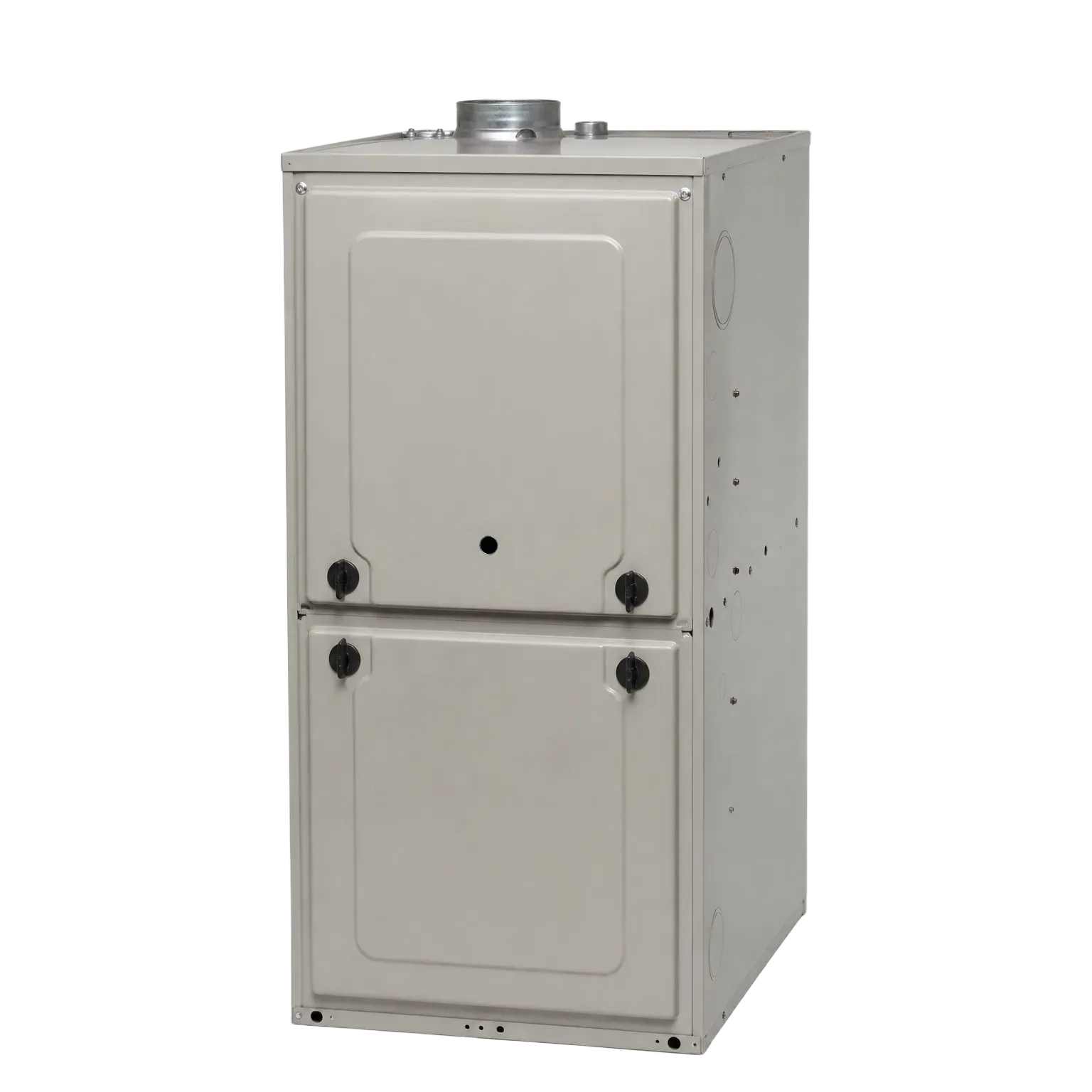
A gas furnace in Wisconsin usually runs 15 to 20 years. Yours might go longer, or it might start giving out sooner, depending on how it was installed and how it's been run through winters that ask a lot of it. Once a furnace is past that age, a cold snap in January is a bad time to find out the heat exchanger is cracked or the inducer motor has quit for good.
When a furnace is on its way out, most people start the same way: searching for furnace companies, calling two or three, explaining the make and model and what it's doing wrong to each one, then sitting on quotes trying to tell which contractor actually knows what they're talking about. With no heat and a house full of people waiting on you to figure it out, that's a lot to carry.
This page connects you to one licensed contractor near you in Wisconsin, not a handful of companies competing for your callback. Someone who installs and services furnaces in homes like yours every winter, who's seen what fails after fifteen Wisconsin winters and what a new system needs to handle them. You explain your situation once, to the person who's actually going to do the work.
Electricity here costs more than in a lot of places, which is part of why most homes here heat with gas in the first place. A furnace nearing the end of its life tends to run less efficiently on its way out, so a slow decline can cost you before it quits outright. Knowing where your furnace stands, and what a replacement looks like before you're stuck without heat, is worth doing before the coldest months make the decision for you.
The rest of this page walks through what shortens a furnace's life here and what to watch for as yours ages. When you're ready, the contractor is one call away.
A gas furnace in most Wisconsin homes lasts 15 to 20 years. The number holds because the furnace is working hard most of the year here, not just on the coldest days, and a unit that runs that much shows wear earlier than one that only kicks on now and then. Past 15 years, the heat exchanger and igniter have had a lot of cycles behind them, and a breakdown in January isn't a maintenance call anymore, it's a house going cold while you wait. Age alone doesn't tell you where your furnace stands. How it was installed, how it was sized for your house, and whether it's been serviced along the way all move that number up or down. If yours is in that range, the honest move is finding out whether it's worth repairing again or replacing before it fails on its own schedule instead of yours.
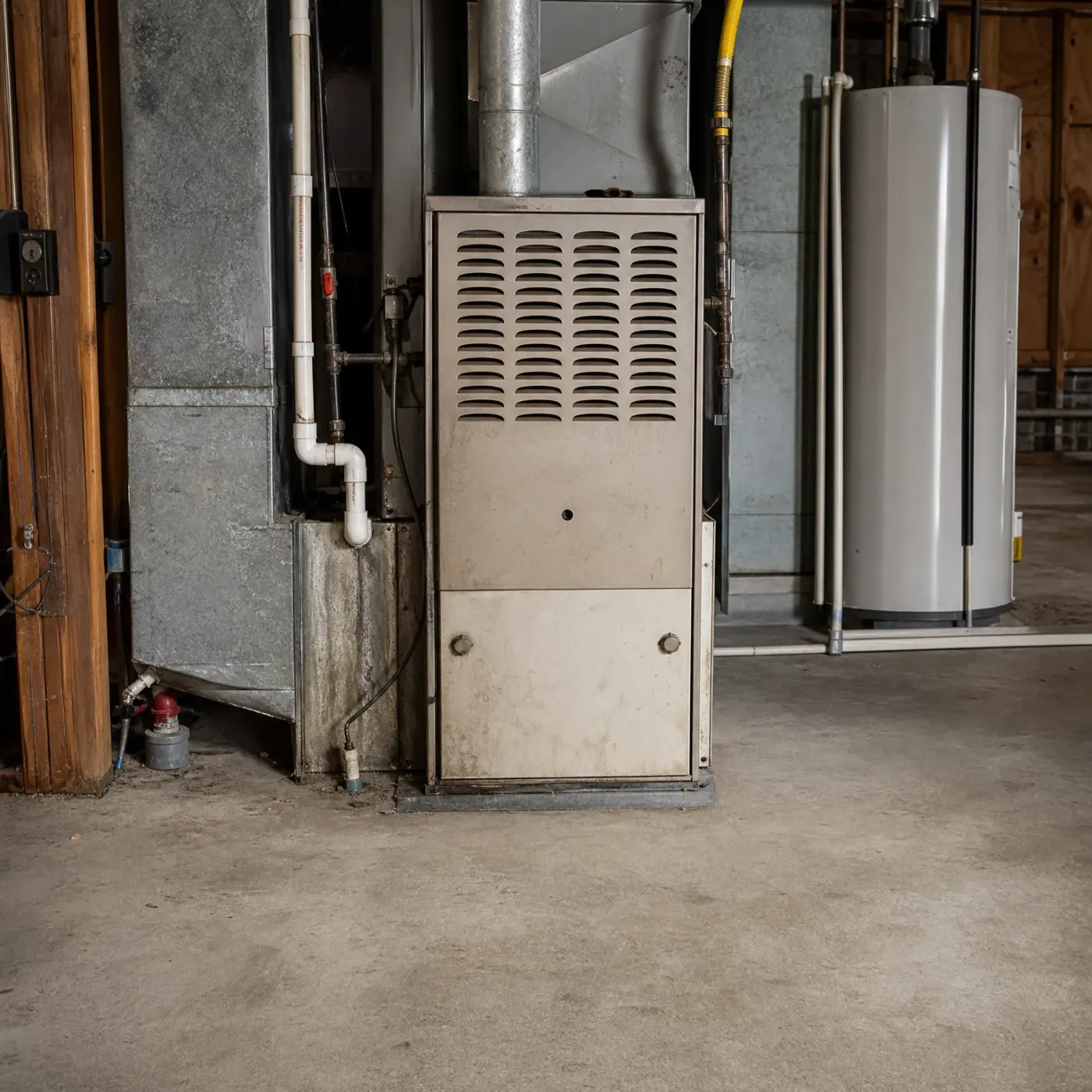
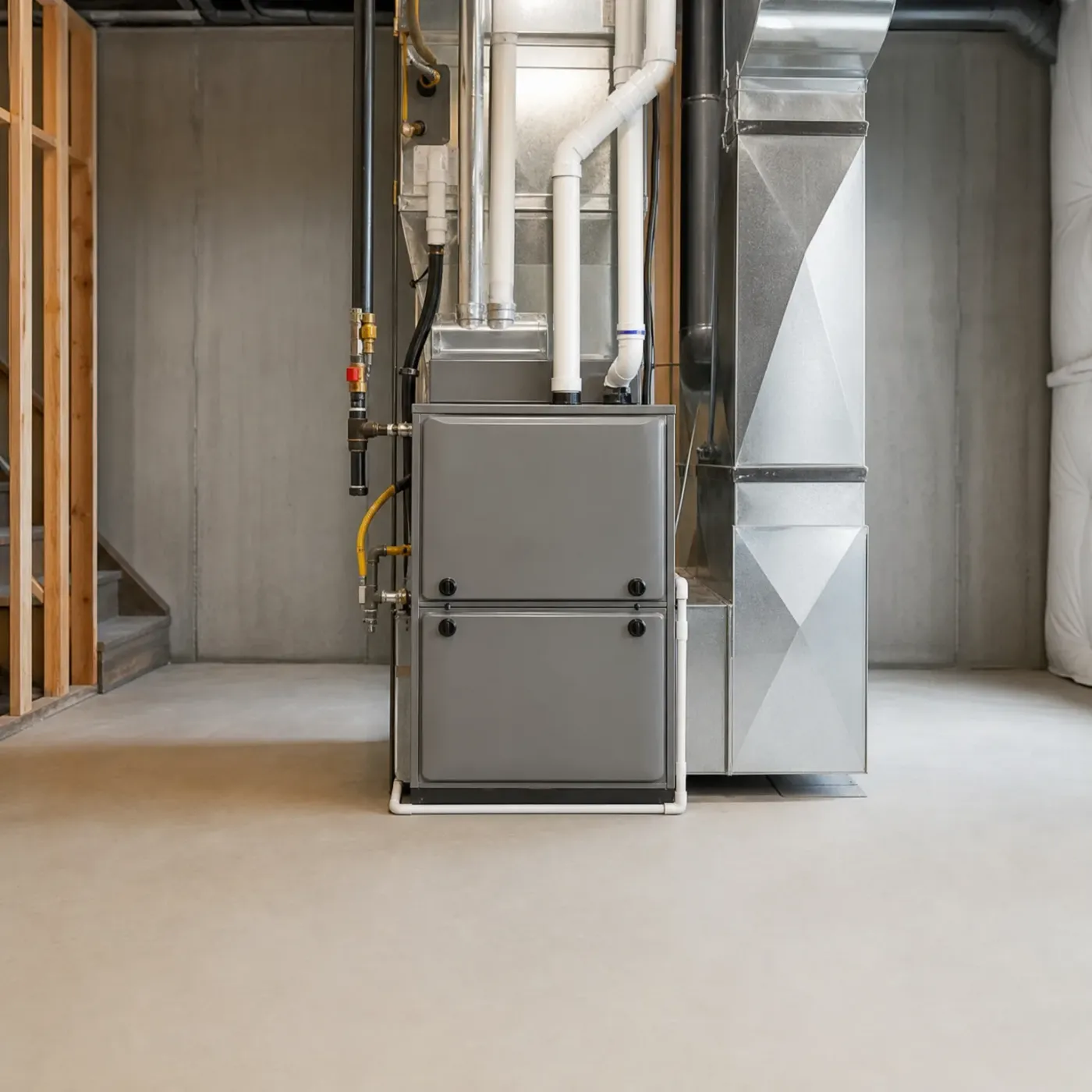
A cracked heat exchanger lets exhaust gases leak into your air
The flame sensor fails to detect a flame and shuts gas off
The igniter weakens and stops lighting the burners reliably
Short cycling wears the blower motor down faster each winter


Repair the Furnace or Replace It
Keep Repairing
- A furnace under 15 years old is usually still cheaper to fix than to replace, even for a second repair in a few winters.
- Parts like the igniter or flame sensor are straightforward swaps for a contractor who knows the model.
- If the heat exchanger is sound, a repair buys you more winters without a full install.
- Repair makes sense when the failure is a single part, not a pattern of breakdowns each January.
- You keep the same airflow and venting setup, so there's nothing to reconfigure in the house.
Replace Now
- Past 15 to 20 years, the furnace is more likely to fail on the coldest night than on a mild one.
- A cracked heat exchanger means replacement, not repair, since it puts exhaust gases into your air.
- Short cycling that's worn the blower motor is often a sign the whole unit is nearing its end, not just one part.
- A new furnace installed correctly for your home's ductwork runs more efficiently through a Wisconsin winter, which matters with power costs here.
- If you've had more than one repair call in the past couple of winters, replacement stops the pattern instead of delaying it.




Skip calling around
Your request goes to one pro, not a list of companies.
Sending the form costs nothing.
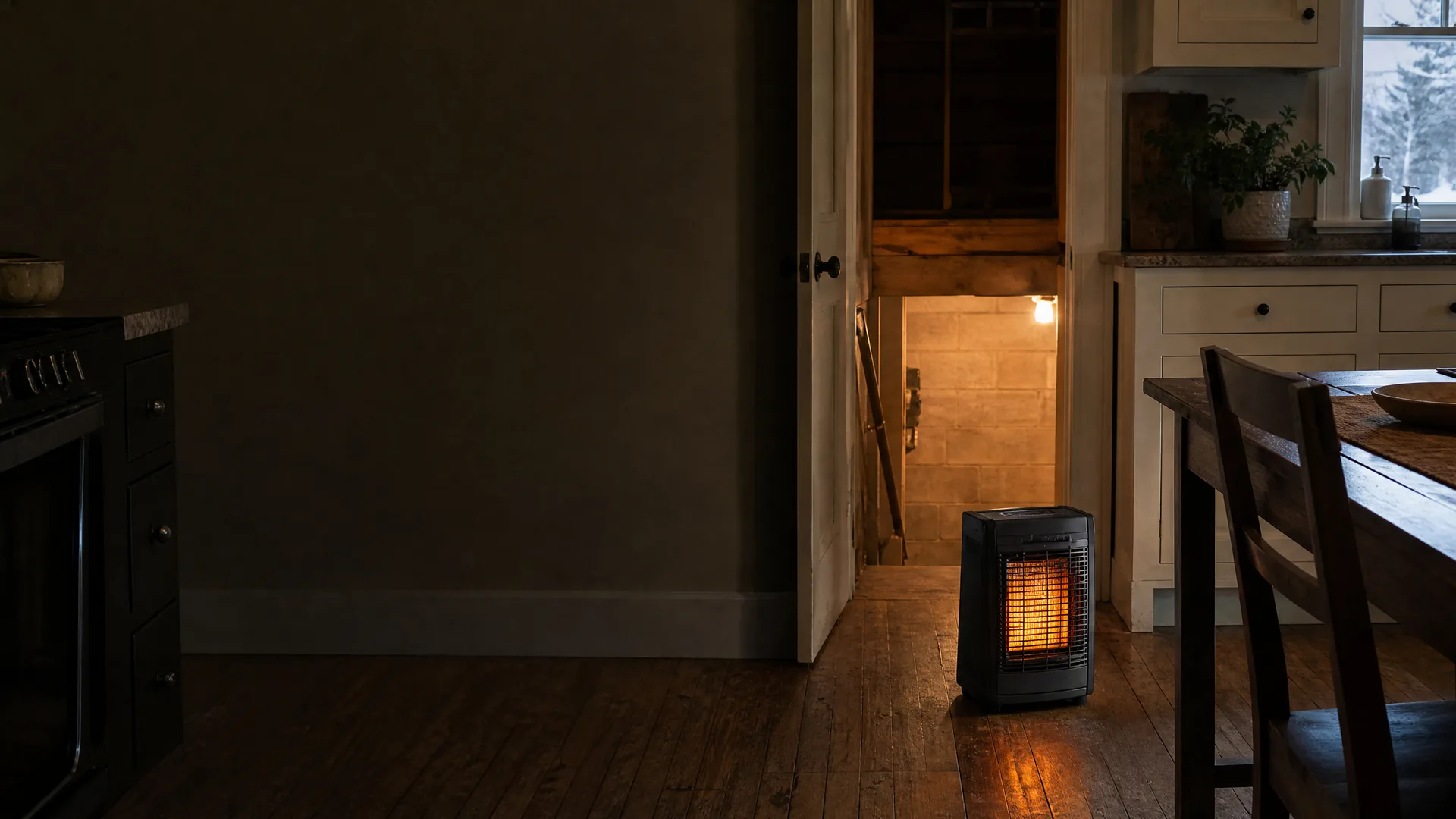
The space heater is the only sound in the kitchen, that low electric hum. It's not six yet and the window over the sink is still black. You've got a sweatshirt on over your pajamas and your coffee's going cold because you're standing here instead of sitting with it. The basement door is open behind you, and you keep glancing at it like the furnace might explain itself. It clicked twice when you came down and hasn't done anything since. Outside it's the kind of morning that makes the storm windows rattle a little, and the space heater's doing its best, but it's only warming the six feet around your legs. The rest of the house is quiet in a way that isn't good.
Winter nights average 13°F statewide
Thirteen degrees is the average overnight low across a Wisconsin winter, not the occasional cold snap. Your furnace is built for nights like that, running for hours at a stretch to keep up. That kind of steady demand is exactly what wears a furnace down faster than its rated years suggest.
NOAA nClimDiv 1991-2020 county normals weighted by homes
How a furnace actually fails
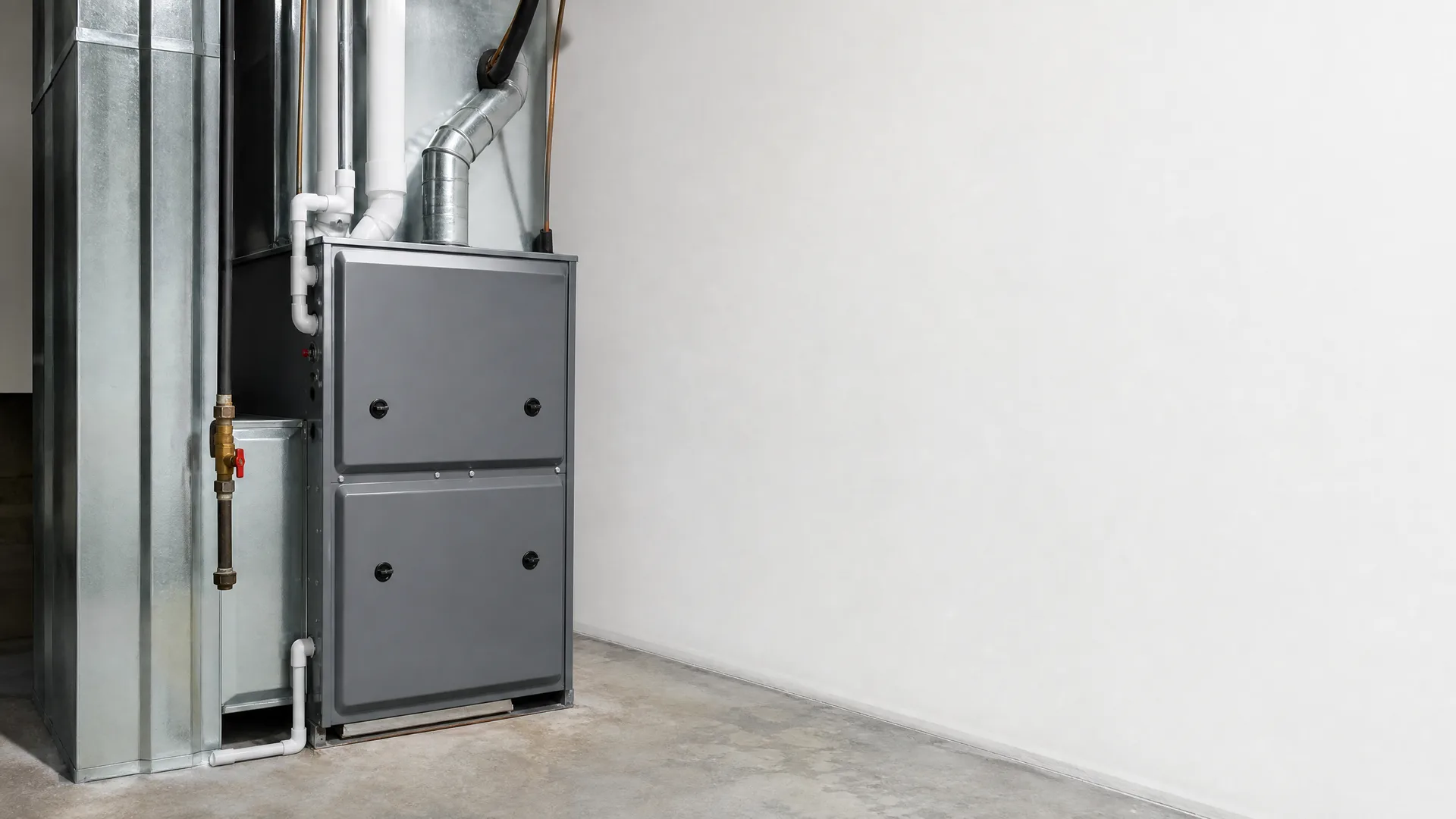
Wear doesn't show up as one big breakdown. It shows up as heat that takes longer to come on, a burner that lights on the third try instead of the first, a blower that runs louder than it used to. Each of those is a part nearing the end of what it can do. A contractor who's replaced that model before can usually tell you which part is next just from how it's acting, before it quits on a January night.
What installation changes
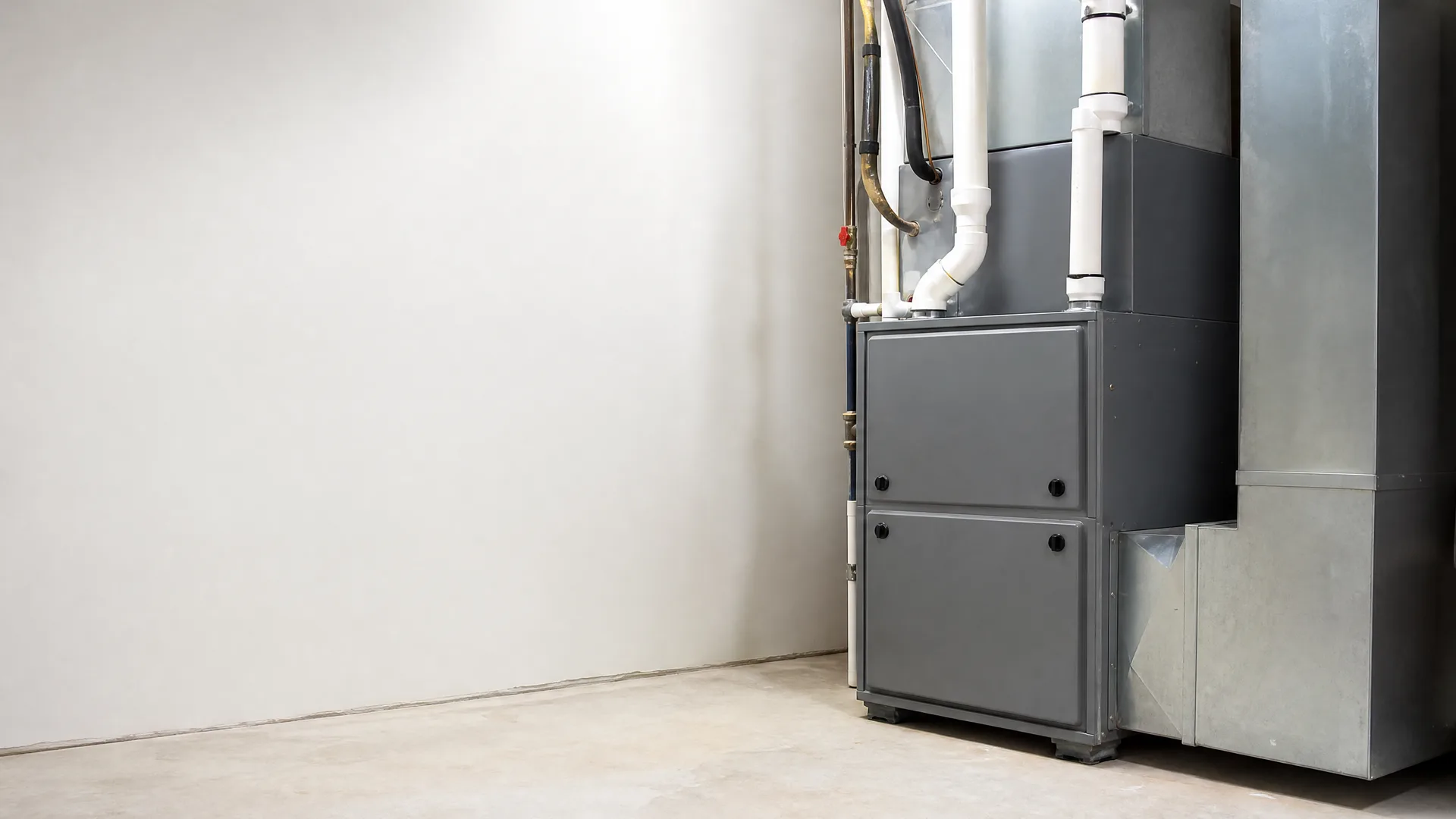
A furnace sized wrong for your house, or set up with ductwork it has to fight against, works harder every single day it runs. Over a Wisconsin winter that adds up to real strain on the blower motor and the heat exchanger. A furnace installed to fit your home the way it's built tends to reach the far end of that 15 to 20 year range instead of the near end, because it isn't straining through every cold stretch to keep up.
What actually breaks first in an old furnace?
You've had a few winters where the furnace seemed to hesitate before lighting, or the blower ran longer than it used to. You're not trying to replace it yet. You just want to know which part is likely to quit first so you know what you're listening and watching for before a cold night turns into no heat at all.
The igniter usually goes first
The igniter takes the most abuse because it cycles on and off every single time the furnace calls for heat, sometimes a dozen times a day through a Wisconsin winter. It's a thin strip that heats up to light the burners, and that heating and cooling, over and over, is what wears it out. You'll notice it as a furnace that clicks and tries a few times before it catches, or one that doesn't catch at all. The flame sensor tends to follow a season or two later, since it sits in the same heat and gets a coating of residue that makes it misread whether a flame is there. Both are small parts, and both are worth a contractor's attention before they fail on the coldest night of the year.
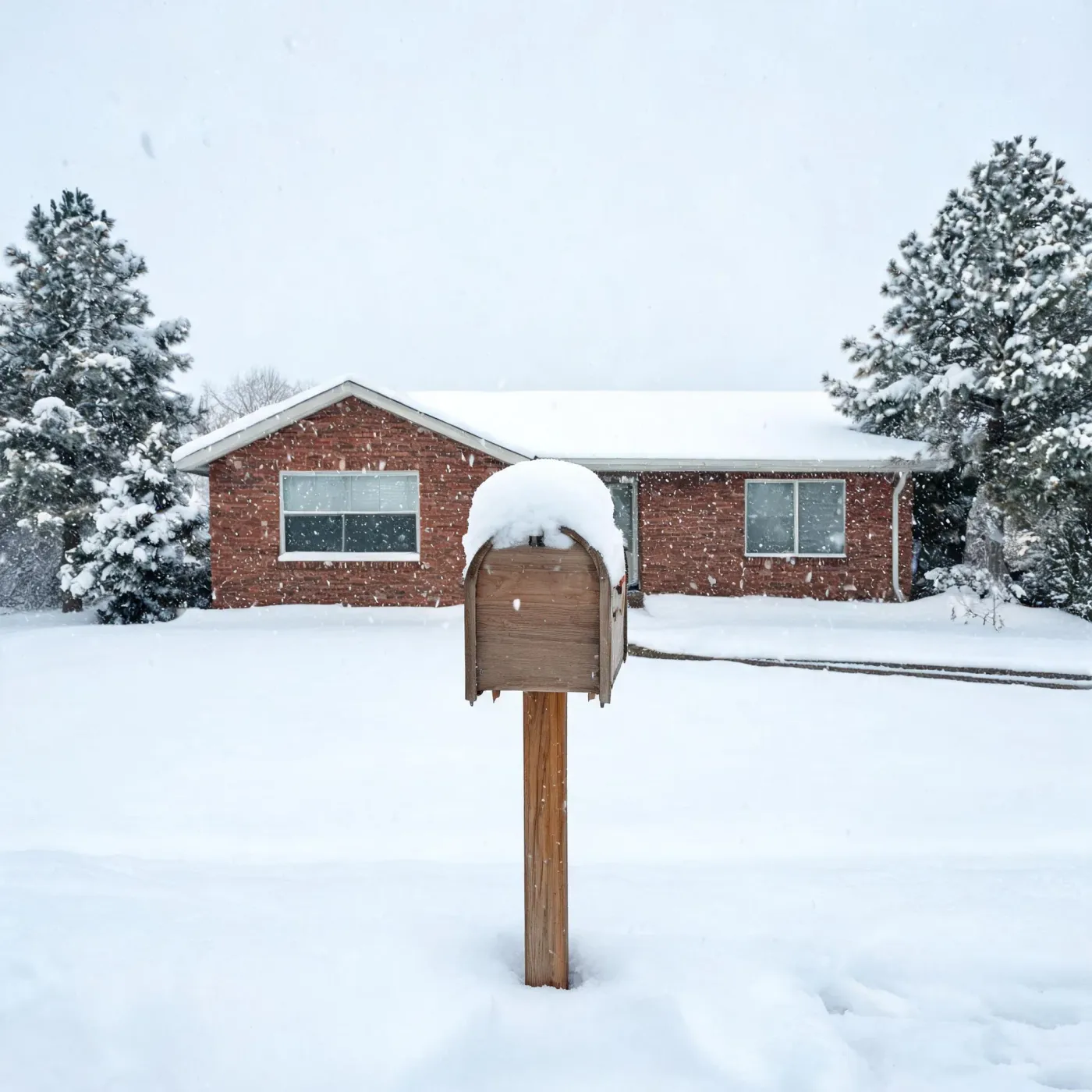
Statewide, winter nights average 13°F. A furnace sized for a mild cold snap would struggle at that temperature, so yours is built to run for long stretches to hold the house steady, not cycle on and off a few minutes at a time. That steady, hours-long run is harder on the igniter, the blower motor, and the heat exchanger than shorter bursts would be. If your furnace is past 15 years, you've likely noticed it taking longer to catch or blowing louder than it used to. That's the wear from nights like these catching up with it. Source: NOAA climate normals.
NOAA nClimDiv 1991-2020 county normals weighted by homes
So how long will yours last
Fifteen to twenty years is what most gas furnaces give a Wisconsin home. Where yours lands in that range comes down to the winters it's already been through and how it was put in to begin with. Once it passes twenty, you're on borrowed time with every cold snap.
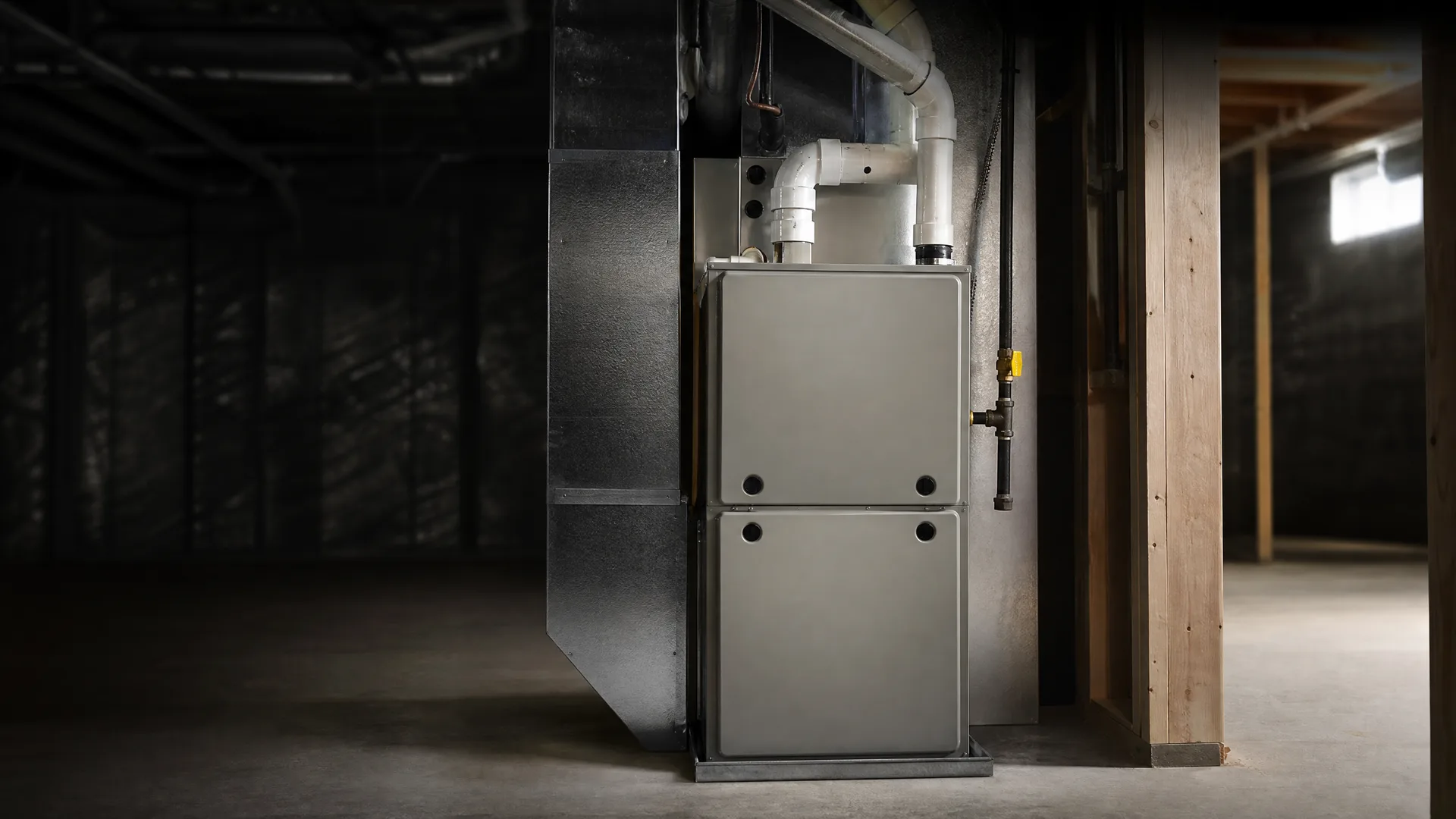
If you're at that point, you already know the work ahead isn't just the install. It's finding a contractor who's licensed, getting someone out to look at your setup, and not wanting to explain the same thing to three different companies before you pick one. A local contractor who installs furnaces every winter here has seen your situation before, sized for nights at 13 below, and can tell you straight what your house needs. One contractor, one visit, one answer.

Describe it once