Is a high-efficiency gas furnace worth it in Wisconsin
A local installer who puts in furnaces gets your project.
A high-efficiency furnace runs through a lot more Wisconsin winter than most places get. That's months of runtime where every point of efficiency has a chance to matter, especially with what power costs here and most homes running on gas already.
Whether it's worth it for your house depends on things a page can't know. What your current furnace is rated at, what gas costs you specifically, how your house holds heat, whether your venting can even support a high-efficiency model without changes. Those details change the math, sometimes a lot.
That's the kind of thing worth working out with someone who installs these in Wisconsin homes regularly and can look at your actual setup. Not a general estimate, but a read on your furnace, your house, and what swapping it would realistically mean for you.
Getting to that point usually means calling a few contractors, explaining your furnace and your house to each one, waiting on quotes, then trying to compare answers that were never asked the same way twice. That's the part that eats time, not the decision itself.
You can skip that part here. Answer a few questions about your house and your furnace, and you'll be matched with a contractor who installs high-efficiency furnaces in Wisconsin and reaches out to you directly. No cold calling around, no retelling your situation five times, no quotes that don't line up because nobody asked the same thing twice.
What they find when they look at your furnace and your venting will tell you more than any general answer could. The rest of this page covers what tends to make high-efficiency worth it in Wisconsin and what doesn't. Use it to get a sense of where you stand before that conversation happens.
For most Wisconsin homes, yes. A high-efficiency gas furnace is worth it here because the furnace runs so much of the year. Winters are long and cold enough that a standard 80% furnace and a 95%+ furnace won't use the same amount of gas to keep a house warm from October through March, and that gap shows up on the gas bill every single month heat is running. A high-efficiency furnace also vents through PVC pipe instead of a metal flue, which matters if you're replacing an old furnace and the venting needs to change anyway. The tradeoff is upfront cost: a 95% furnace costs more to install than an 80% one. Whether that extra cost pays you back depends on how long you plan to stay in the house and what your current furnace is costing you to run. If you're heating with gas already and staying put, the higher-efficiency unit is usually the better buy over the furnace's life.
Before you get your furnace installationAfter you get your furnace installation
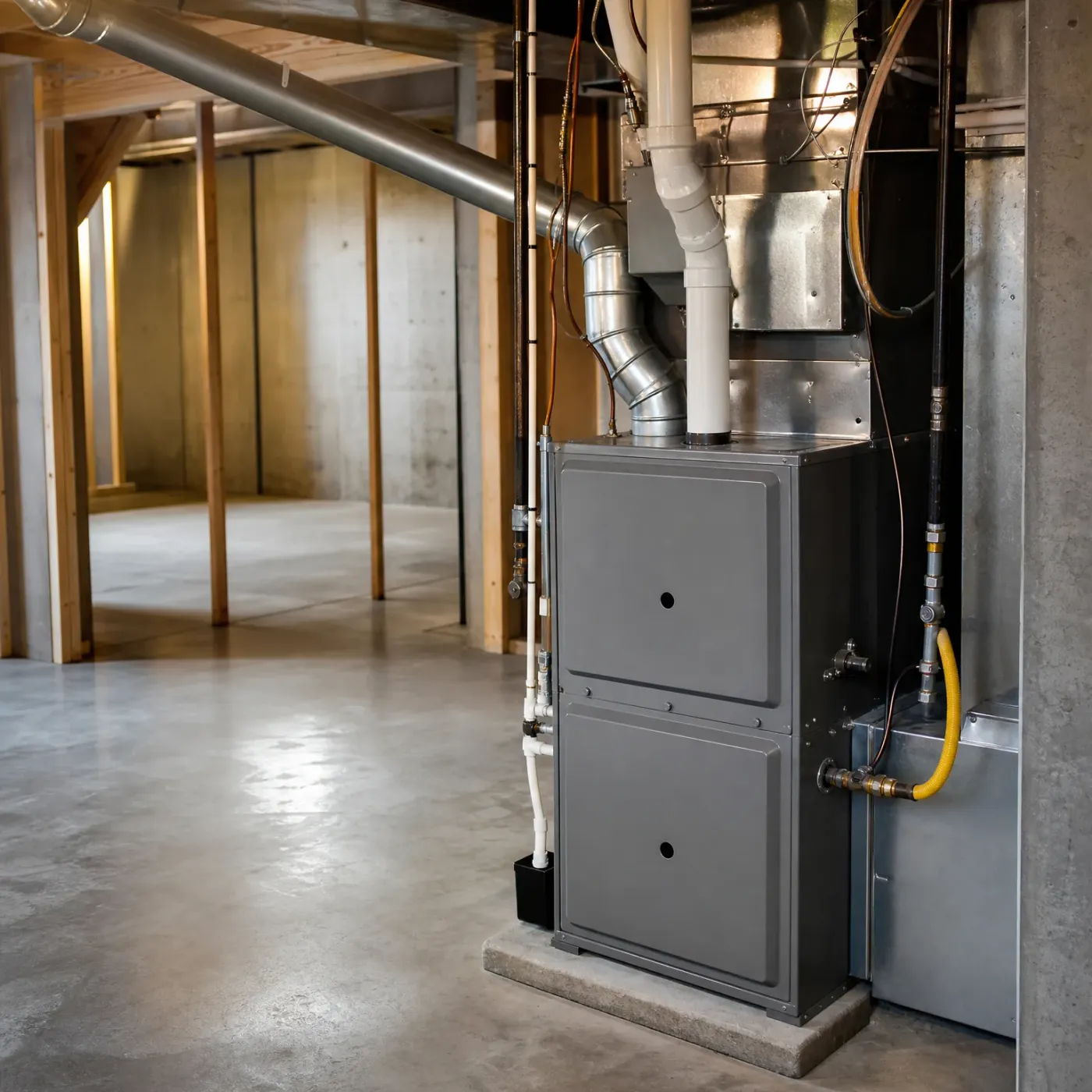
A standard furnace sends its exhaust straight up a metal flue because it's still hot enough to rise on its own. A high-efficiency furnace doesn't let go of that heat so easily. It runs the exhaust through a second heat exchanger first, pulling out warmth that would otherwise go straight up the flue, and that second pass is most of where the efficiency gain comes from. By the time the exhaust leaves the furnace, it's cool enough to vent through PVC pipe out the side of the house instead of through the roof. Cooling it that much also turns some of it to water, so the furnace needs a drain line and a condensate pump to move that water out. Instead of one inducer motor running at a single speed, these furnaces use two, staging the burn so the furnace can modulate output rather than firing at full blast every time it kicks on. The intake pipe runs outside too, pulling combustion air from outdoors instead of from the room around the furnace.
How a high-efficiency furnace actually works
A standard furnace vents through a metal flue because its exhaust stays hot enough to rise on its own.
A high-efficiency furnace cools the exhaust so much it vents through PVC pipe out a sidewall instead of the roof.
That second combustion stage is where the gain comes from: a heat exchanger pulls heat out of the exhaust a standard furnace would send straight outside.
Cooling the exhaust that far makes condensate, so these furnaces need a drain line and a condensate pump to get the water out.
Two inducer motors stage the burn instead of one, which is part of why these furnaces modulate output instead of firing at a single rate.
The PVC intake pipe draws combustion air from outside rather than from the room the furnace sits in.
A furnace pro near you
Describe the project once instead of to every installer.
Get in touch with a local installer about a new furnace.
It costs nothing to send, and you don't have to hire anyone.
Why does your heating bill climb every winter?
If your furnace is older and running on a standard flue, you're probably watching gas bills climb every January and February, and hearing the furnace run almost constantly to keep up once temperatures drop below zero. You might notice some rooms stay cold no matter how long it runs, or the furnace short-cycles on the coldest nights. None of that is unusual for an older 80% furnace working through a Wisconsin winter. But it means a good share of the gas you're paying for is going out the flue instead of into your house. Left alone, that gap in efficiency doesn't fix itself. It just shows up on the bill, month after month, for as long as that furnace is running.
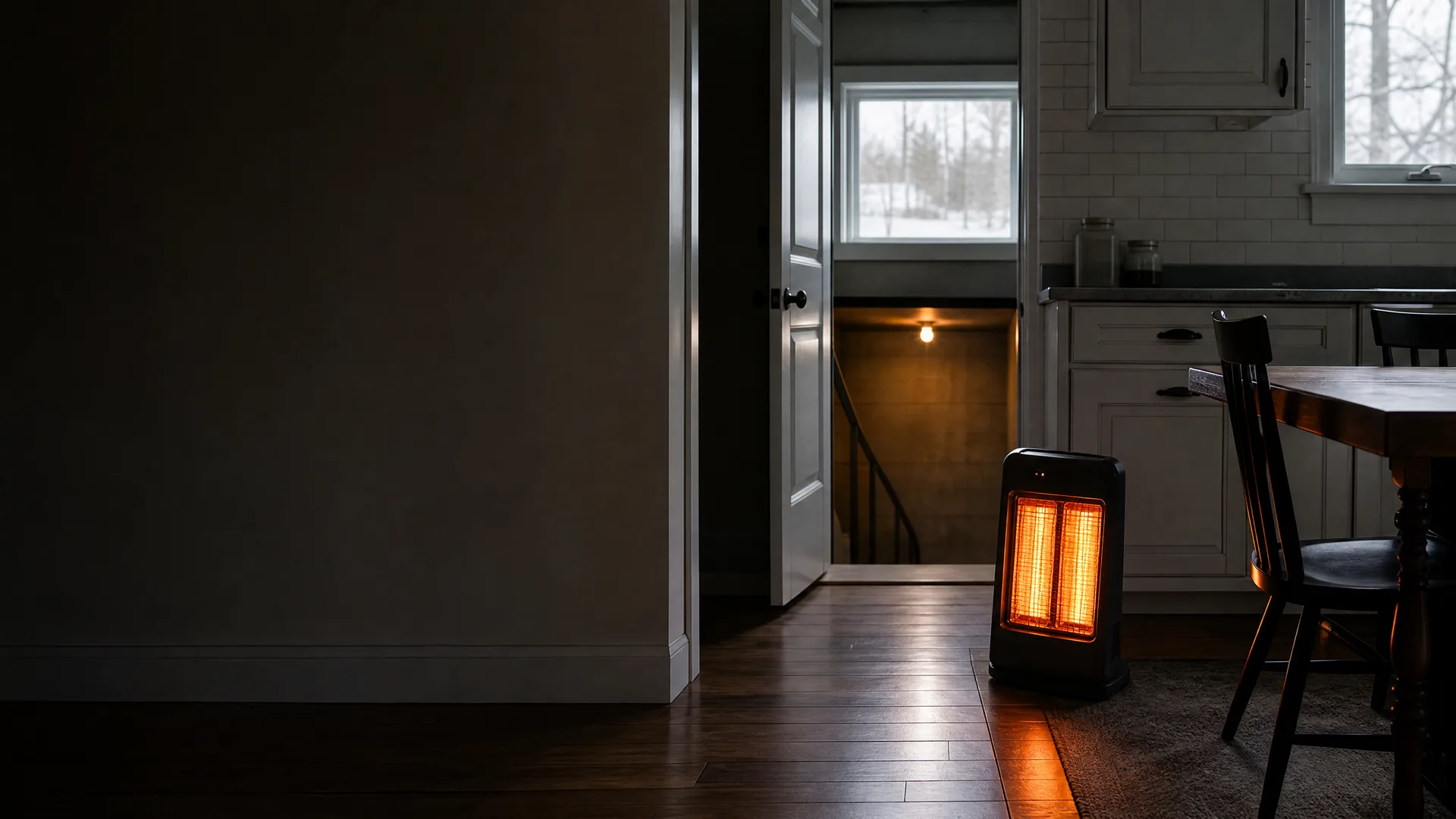
The furnace quit sometime after midnight. You find out at six, when the kitchen is cold enough to see your breath near the window. The space heater is pulled out from the closet, cord stretched across the floor, glowing orange by the table while you wait for the coffee. The basement door is open behind it. You've been down there twice already, flashlight out, looking at a furnace that won't fire. Outside it's still dark and well below freezing. The kids are eating breakfast in their coats. You're doing the math on how long a space heater can hold one room while you wait for someone to call back.
Winter nights average 13°F statewide
That 13°F average is a nightly low, not a cold snap. Your furnace has to recover that ground every night for three months straight, which is a lot of cycles for a standard unit to run full blast through.
NOAA nClimDiv 1991-2020 county normals weighted by homes
Running right
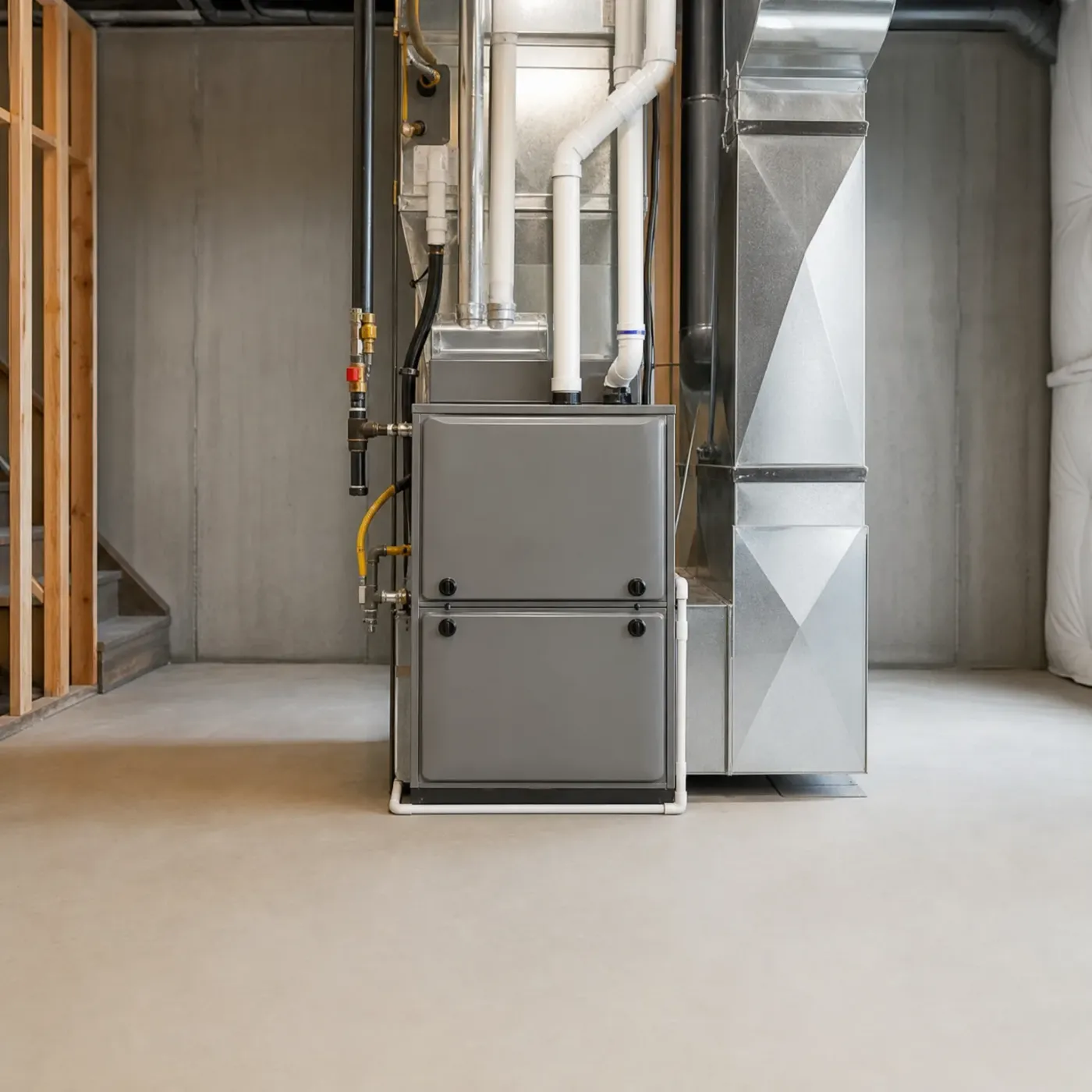
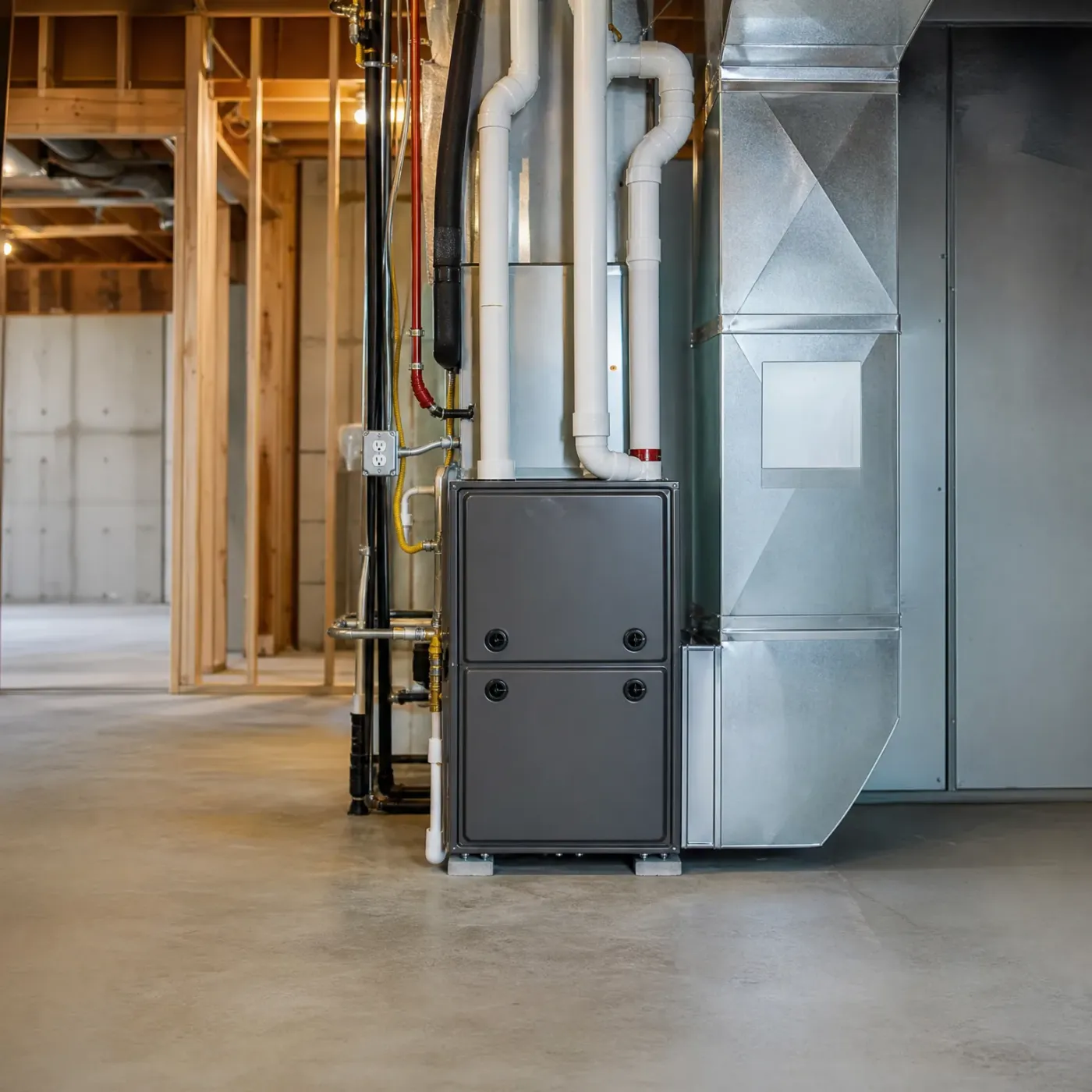
This is what a high-efficiency furnace looks like doing its job: PVC flue pipe, a sealed combustion chamber, an air handler sized to move heat through the ductwork without strain. It's quiet most nights, running longer at lower output instead of blasting full speed and shutting off.
Running old
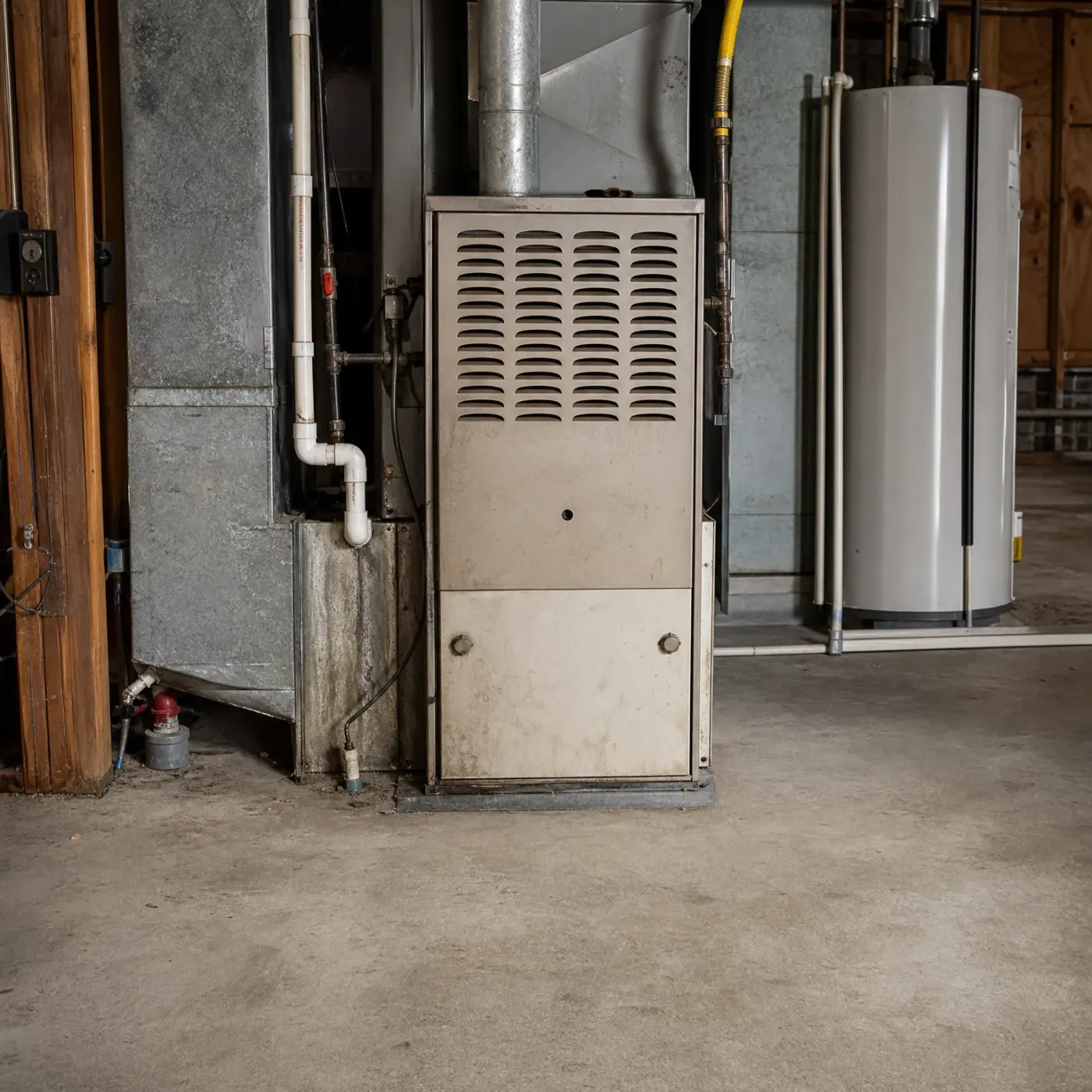
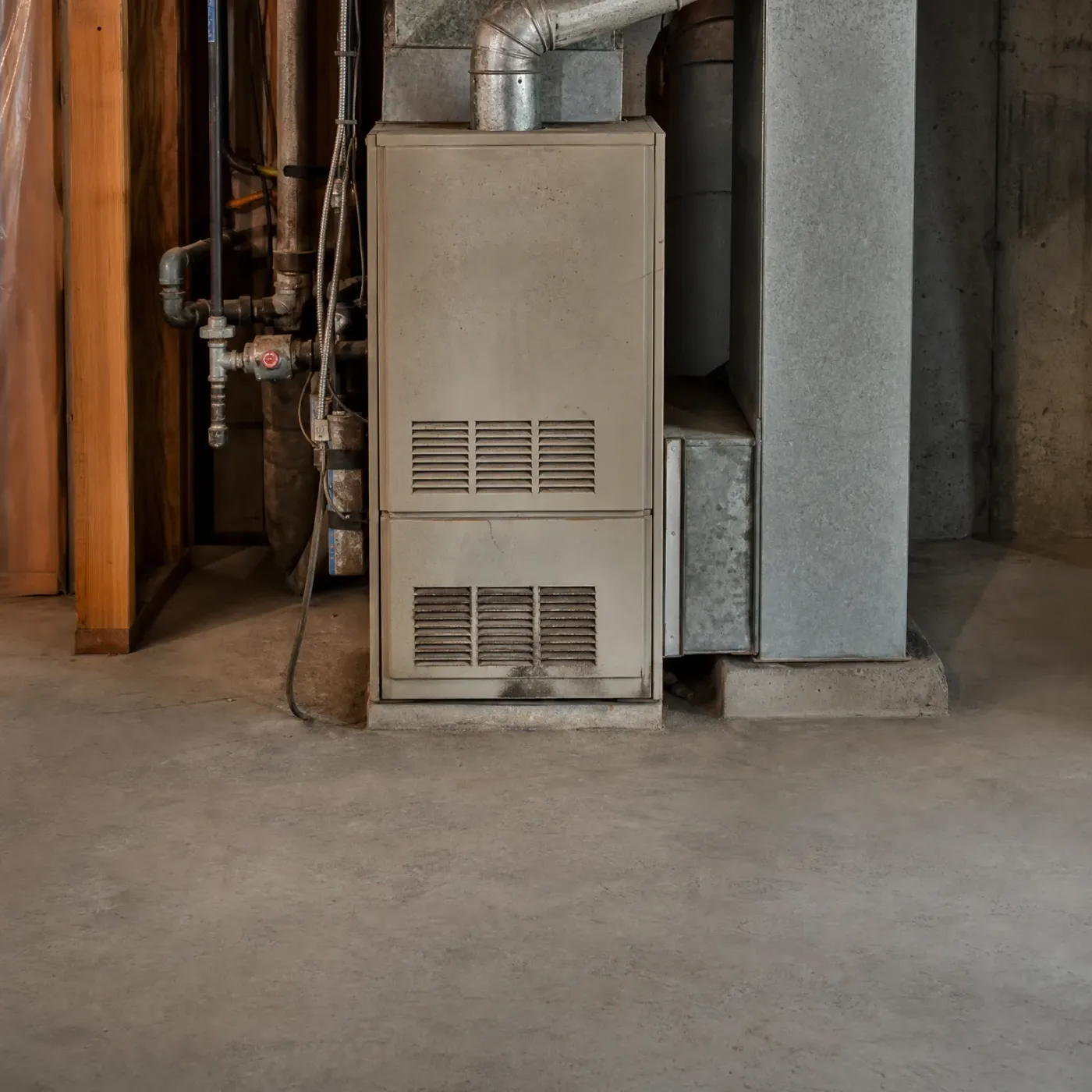
A furnace like this, metal ductwork, a single flue vent, galvanized trunk lines, works the same way it has for twenty winters. It cycles hard and often once temperatures drop, and if it's standard efficiency, every one of those cycles burns more gas than a 95%+ unit would to hold the same room at the same temperature.
So that's where you stand
A high-efficiency furnace earns its keep in a state that stays cold from November into March. That's the plain answer. What it means for your house depends on what you've got now, how old it is, and what your ducts and venting can support, and that's worth a real look before you commit to one.
Getting that look usually means calling around, explaining your situation more than once, and sorting through quotes that aren't quite comparable. You can skip that part. Answer a few questions about your home and you'll be matched with a contractor who installs these furnaces and knows what Wisconsin winters ask of them, and they'll reach out to you directly to talk about what your house needs.
Furnace Installation
A local pro for your furnace installation
Skip collecting and comparing quotes for the new furnace.