After you send the request, you're done searching.
A Wisconsin winter doesn't give a furnace many chances to fail gently. When it's ten below outside and the burners won't light, or the blower is running cold air, you find out fast whether the system is going to make it to spring. Some furnaces give warning signs for weeks before that happens. Others don't.
If yours is cycling more than it used to, running longer to reach the same temperature, making a new noise, or tripping its limit switch, that's worth paying attention to now, not in January. A furnace under strain in October is a furnace that can quit outright in a cold snap, and gas furnaces that are struggling tend to get worse, not better, once the real cold sets in.
This is a repair job, and it's one most homes around here need at some point. The furnace that heats a Wisconsin house works harder, longer, and more months out of the year than furnaces almost anywhere else, and the parts inside it wear accordingly.
Send the request and a licensed contractor local to your area takes it from there. Someone who works on furnaces all winter in this climate has likely seen the exact failure you're describing more than once, and knows what it usually means before they even get to your house. That's one contractor, not a list of five companies calling you back at once, so you're not fielding calls while your house gets cold.
Once the form goes in, the job of tracking someone down is off your plate. You don't have to spend the evening calling around town to find out who can come out and who's booked solid. That part is handled.
The rest of this page walks through the specific signs that mean a furnace may not make it through the winter here: what to look for, what it usually points to, and what tends to be serious versus what tends to wait. Start there, then use the button when you're ready to get someone out to look at it.
What are the signs your furnace won't last the winter?
You've seen the hero warn that a Wisconsin winter doesn't give a furnace room to fail slowly. Now you want the actual list. Maybe yours is making a new noise, or the heat doesn't feel as strong as it used to, or it's just old and you're wondering if this is the year it quits on a night you can't afford it to.
Short cycling, yellow flames or a furnace running nonstop are the signs to take seriously
A furnace that turns on and off every few minutes is struggling to stay running, usually because of a cracked heat exchanger, a failing flame sensor, or airflow that's choked somewhere in the ducts. A burner flame that's yellow instead of blue points to incomplete combustion, which can mean carbon monoxide is getting into the air instead of going out the vent. And a furnace that runs almost constantly without warming the house is losing the fight against the cold rather than winning it. Any one of these means the furnace is already in trouble, not that it might be someday. In a Wisconsin January, a furnace that's struggling in November won't hold on through February.
A furnace that's already showing two or three of those signs in November isn't getting better by January. Cast heat exchangers crack with age, igniters weaken, and blower motors that labor now will quit on the coldest night, not a mild one. That's how these things tend to go here: a system holds on through the easy months and fails when it's working hardest, which in Wisconsin means well below freezing with no backup plan. Waiting to see how bad it gets costs you comfort and runs up the gas and electric bill while the furnace struggles to keep up. A local contractor who works on furnaces all winter has seen which parts give out first in this climate and can tell you in one visit whether yours is worth repairing or close to done. Getting that answer now, while there's still time to act before a hard cold snap, matters more than waiting for the furnace to decide for you.
Why age changes the math
Most gas furnaces are built to last 15 to 20 years. Past that point, the heat exchanger has gone through thousands of heating cycles, each one expanding the metal as it heats and contracting it as it cools. That's what eventually causes cracks. A furnace in its first decade can usually be repaired and keep going. One past 15 years that needs a major part, a draft inducer or a control board, is a different decision, because you're putting new money into a cabinet that's closer to its end than its beginning.
What a cracked exchanger means
The heat exchanger is the metal chamber that separates the flame from the air blowing through your ducts. When it cracks, combustion gases can mix into the air your furnace is pushing through the house. That's why a cracked exchanger isn't a repair you put off. It's also why a furnace that trips its limit switch repeatedly, or sets off a carbon monoxide alarm, needs a qualified technician looking at the exchanger before it runs again, not just a filter change or a thermostat reset.
Before you get your furnace repairAfter you get your furnace repair
Furnace running as it should
The burners light on the first try and the blower pushes warm air through the ducts without hesitation. No burning smell, no short cycling, no sound you haven't heard before. The flame through the sight glass burns steady and blue, not yellow or flickering.
Furnace in trouble
The burners hesitate or light late, and the air coming out feels cooler than it used to. You hear a new rattle from the blower or a click before it starts, and the condensate line shows rust or buildup at the furnace. It runs longer to reach the same temperature.
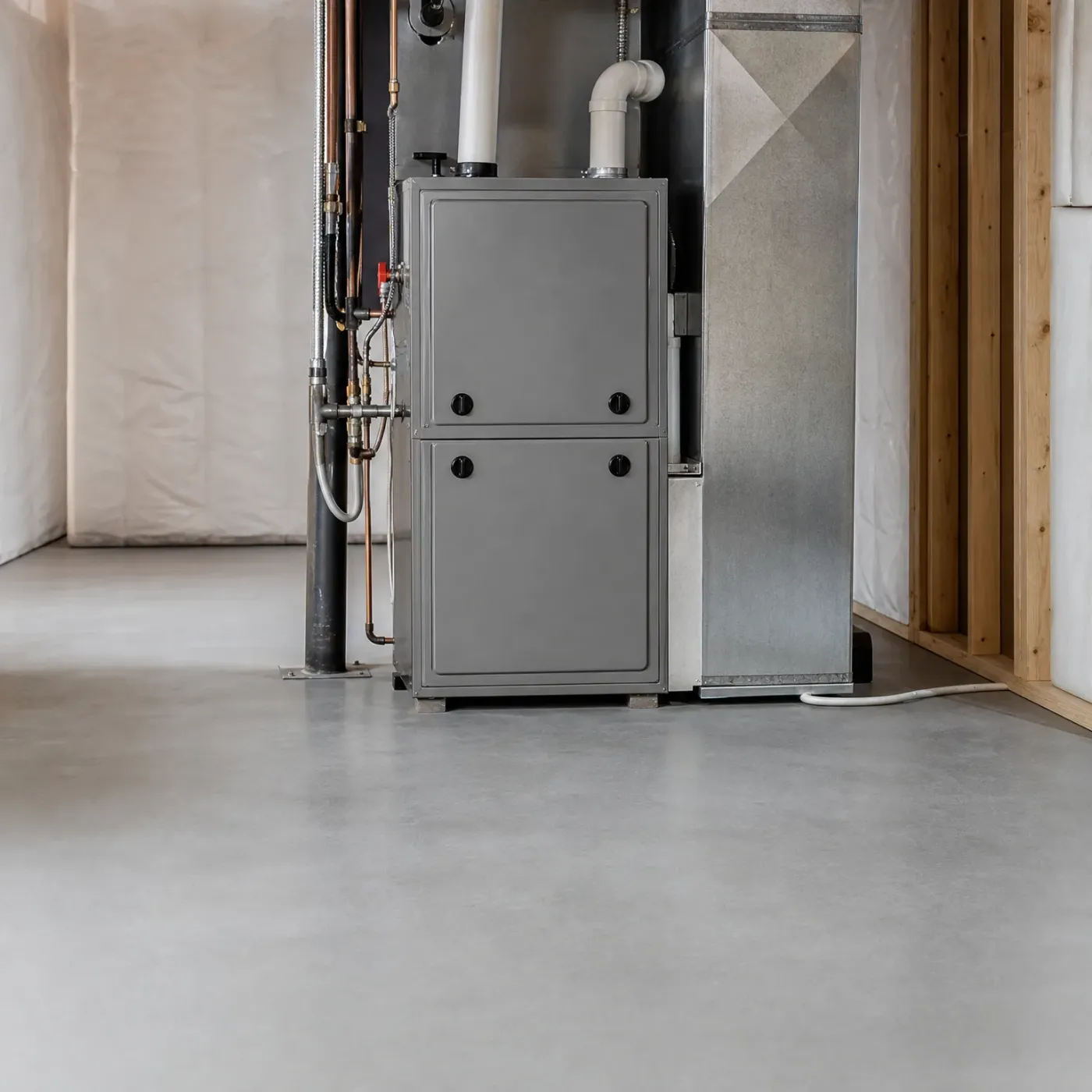
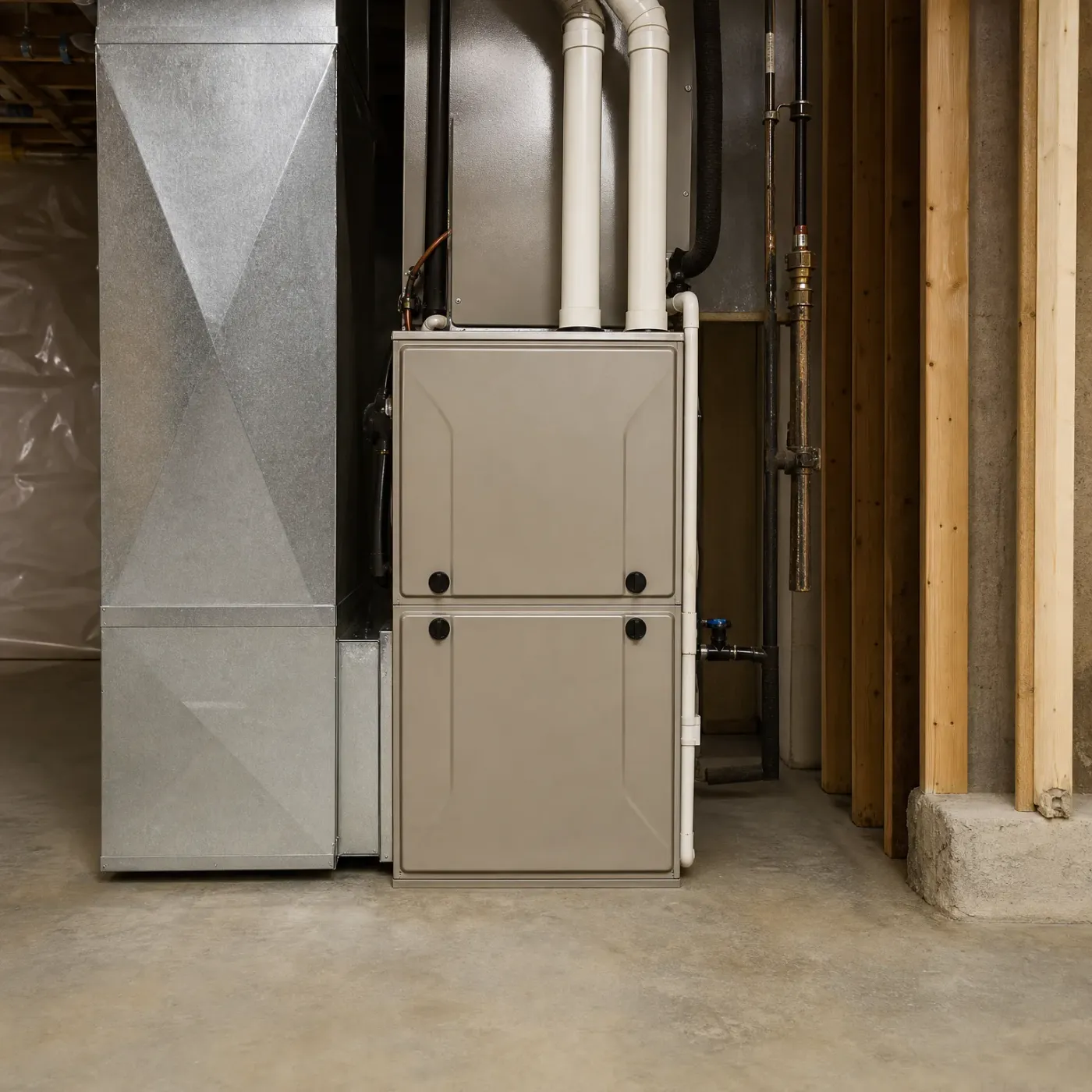
This furnace fires on the first try and sends warm air through the ducts without a fight.
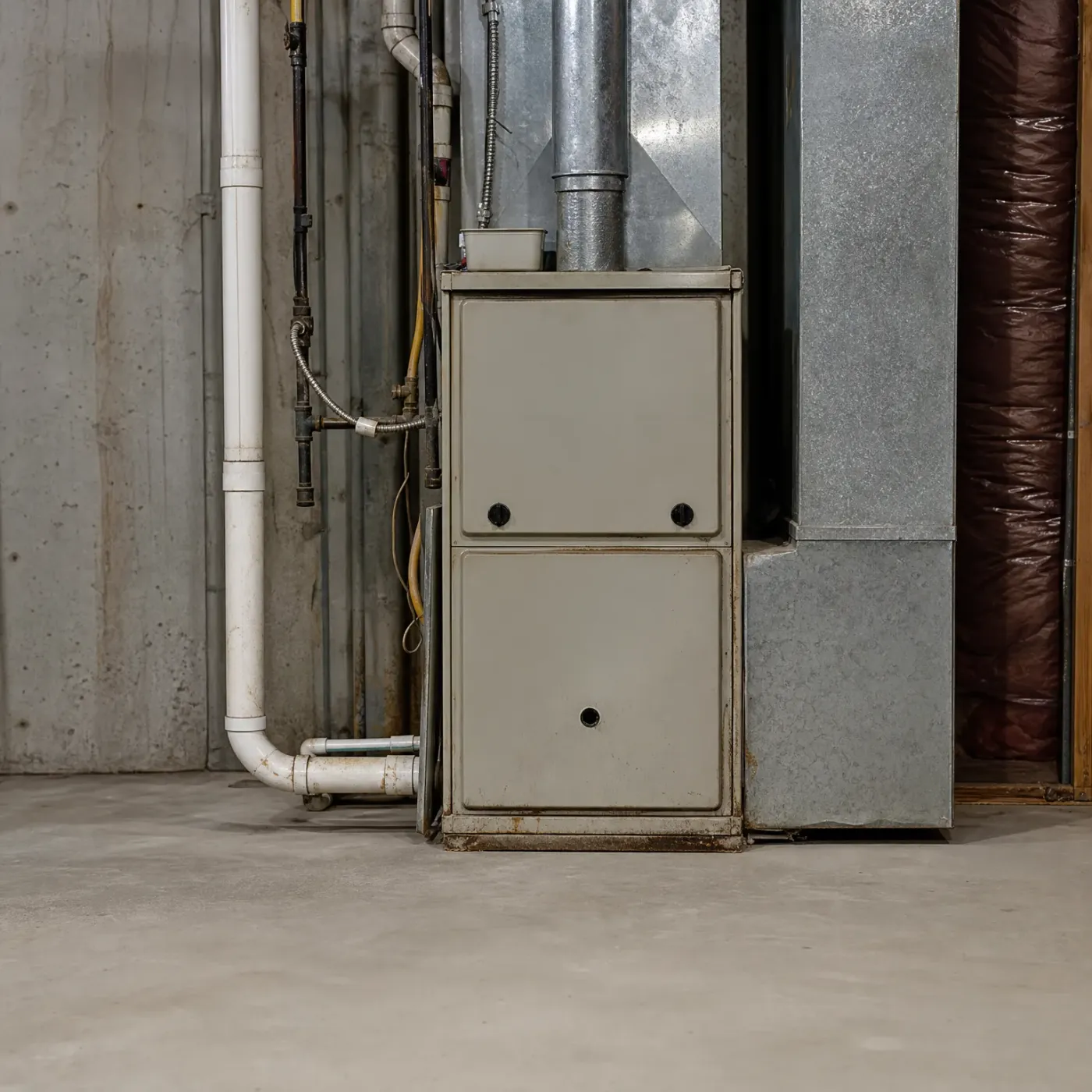
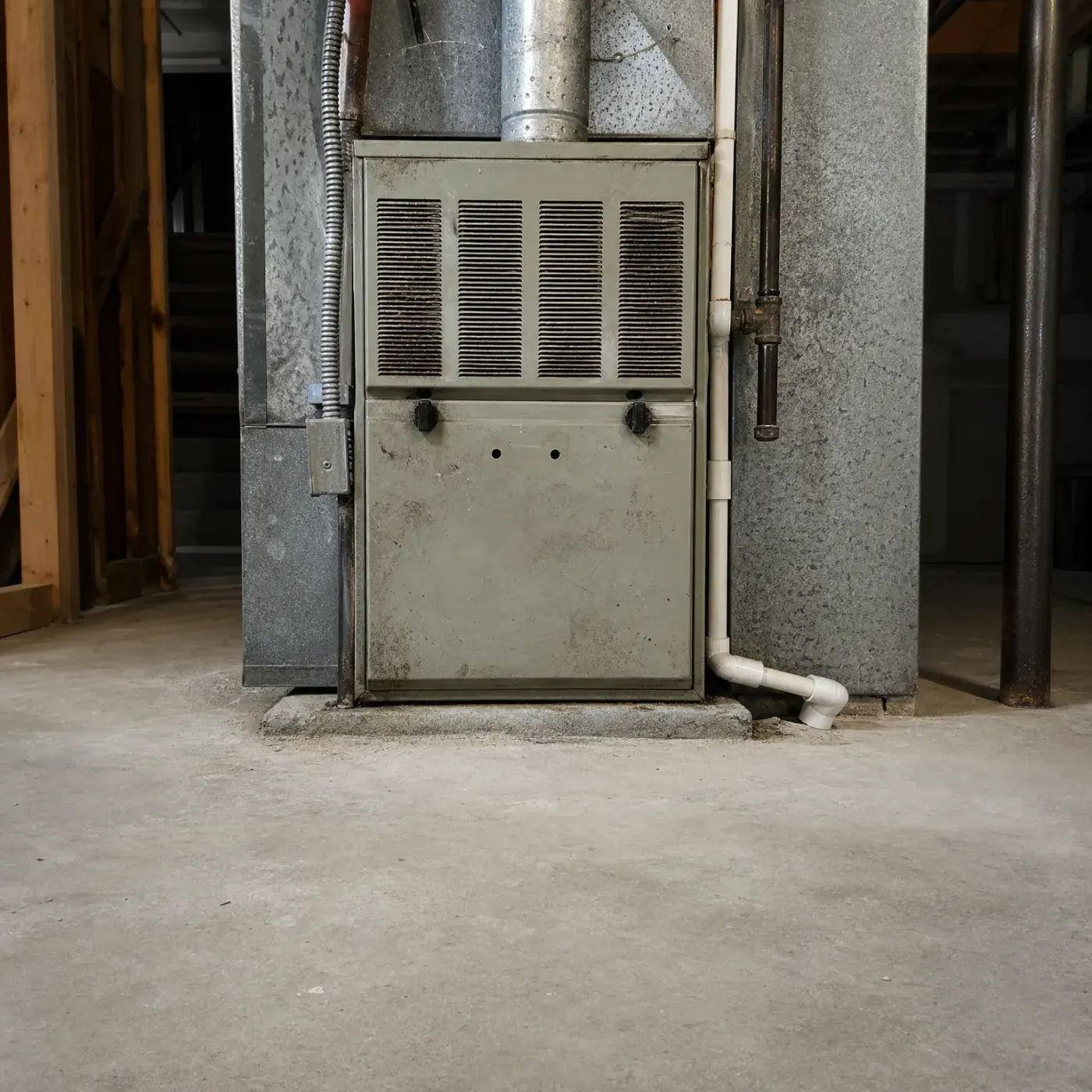
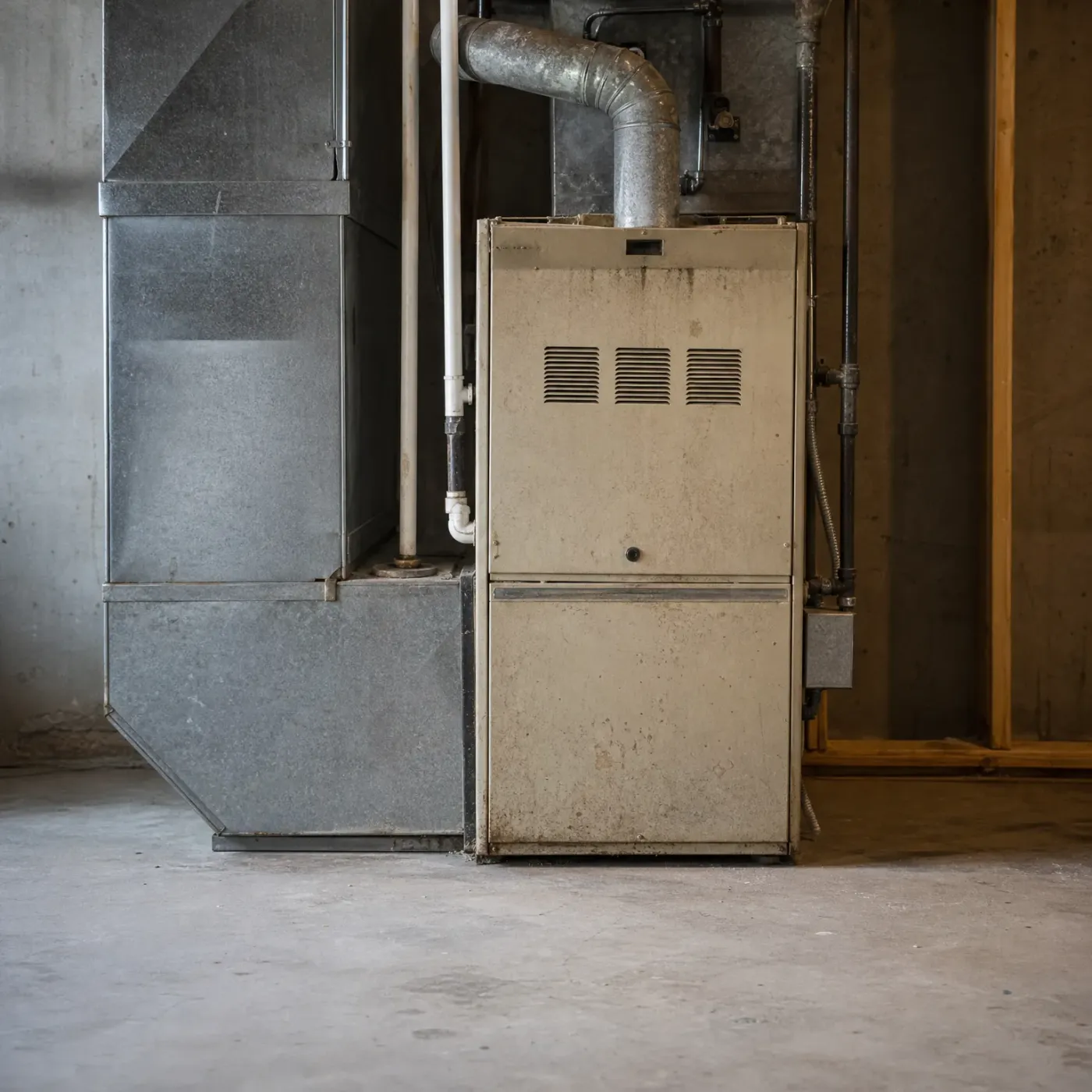
This one's flue pipe and cream cabinet show its age, and a cracked exchanger won't announce itself before it fails.
Winter nights average 13°F statewide
Thirteen below zero is a normal night here, not a cold snap. At that temperature a furnace that's struggling runs almost nonstop just to hold the house steady, and a weak igniter or a tired blower motor has no easy nights to recover on.
NOAA nClimDiv 1991-2020 county normals weighted by homes
A furnace that's cracking, short cycling, or struggling to keep a flame lit isn't going to fix itself before the next cold snap. If you've recognized two or three of the signs above, the honest move is to get a qualified set of eyes on it before the next hard freeze, not after. A local contractor who services furnaces all winter in this kind of cold has seen which parts give out first in a Wisconsin house, and that's the kind of read you can't get from watching the burners yourself. You'll be matched with one licensed contractor near you, not a handful of companies competing for the job, so you're dealing with one name and one visit instead of a pile of calls to sort through. Whatever the furnace is doing right now, you don't have to figure out on your own whether it's serious. Send the request and that part stops being your problem to solve.