Running clean
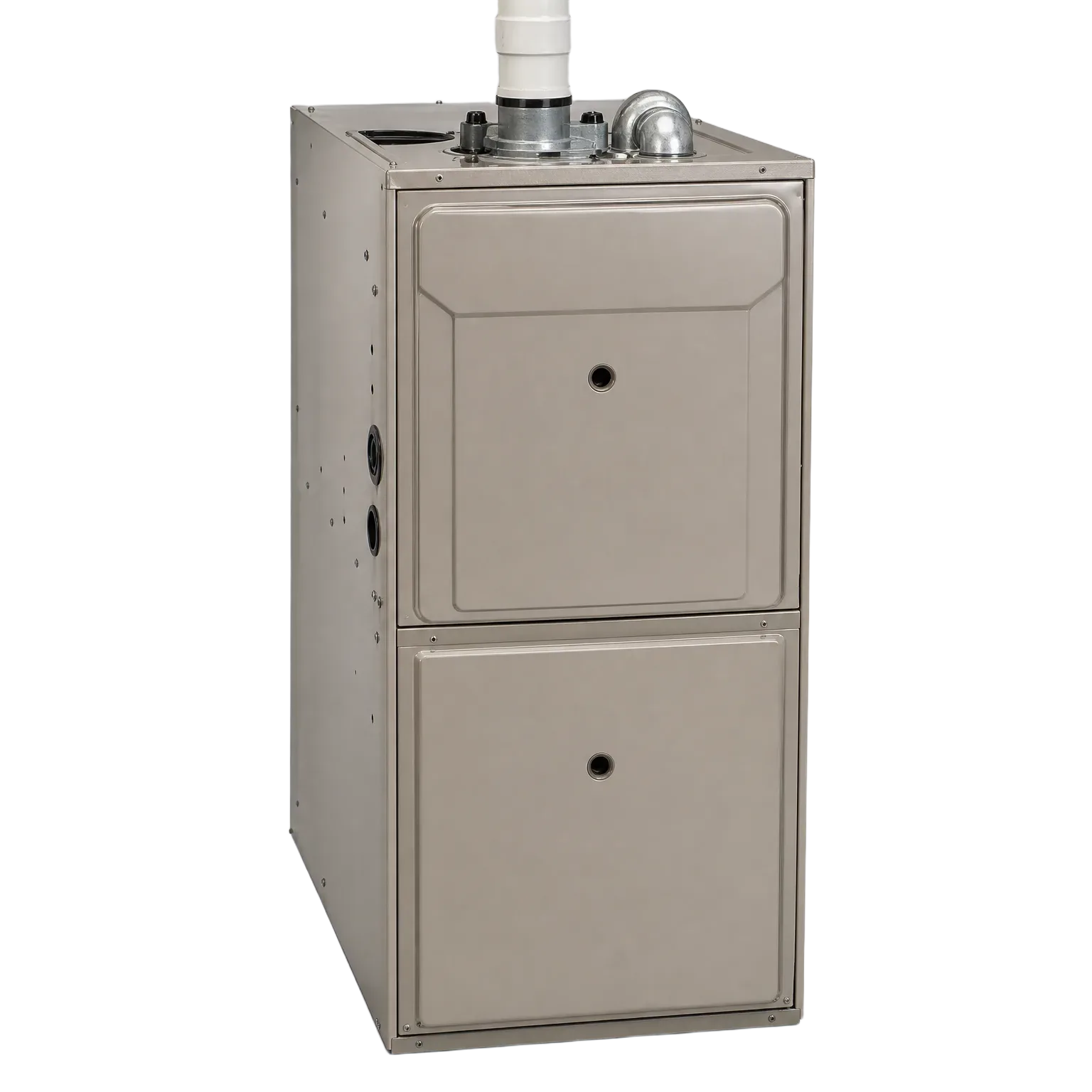
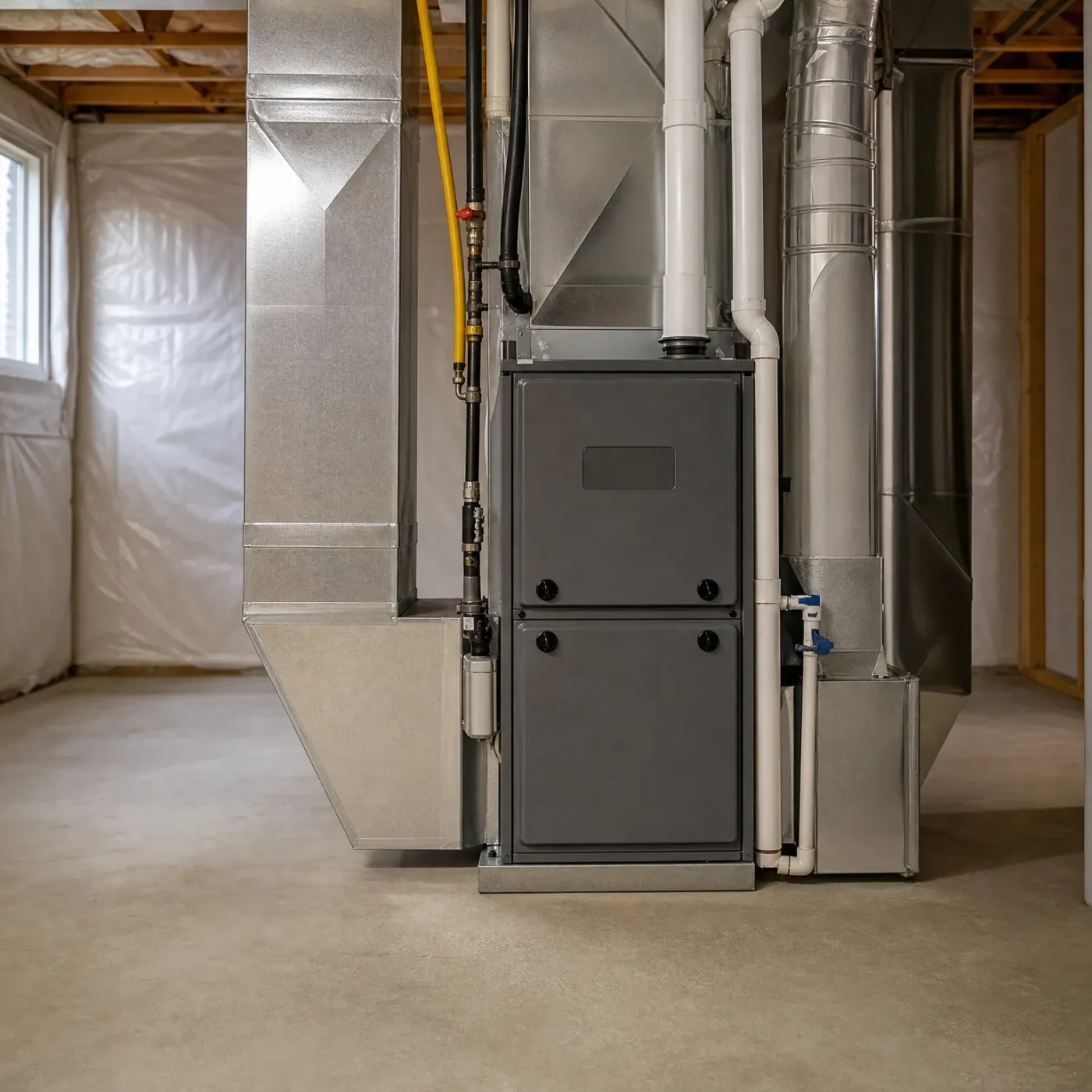
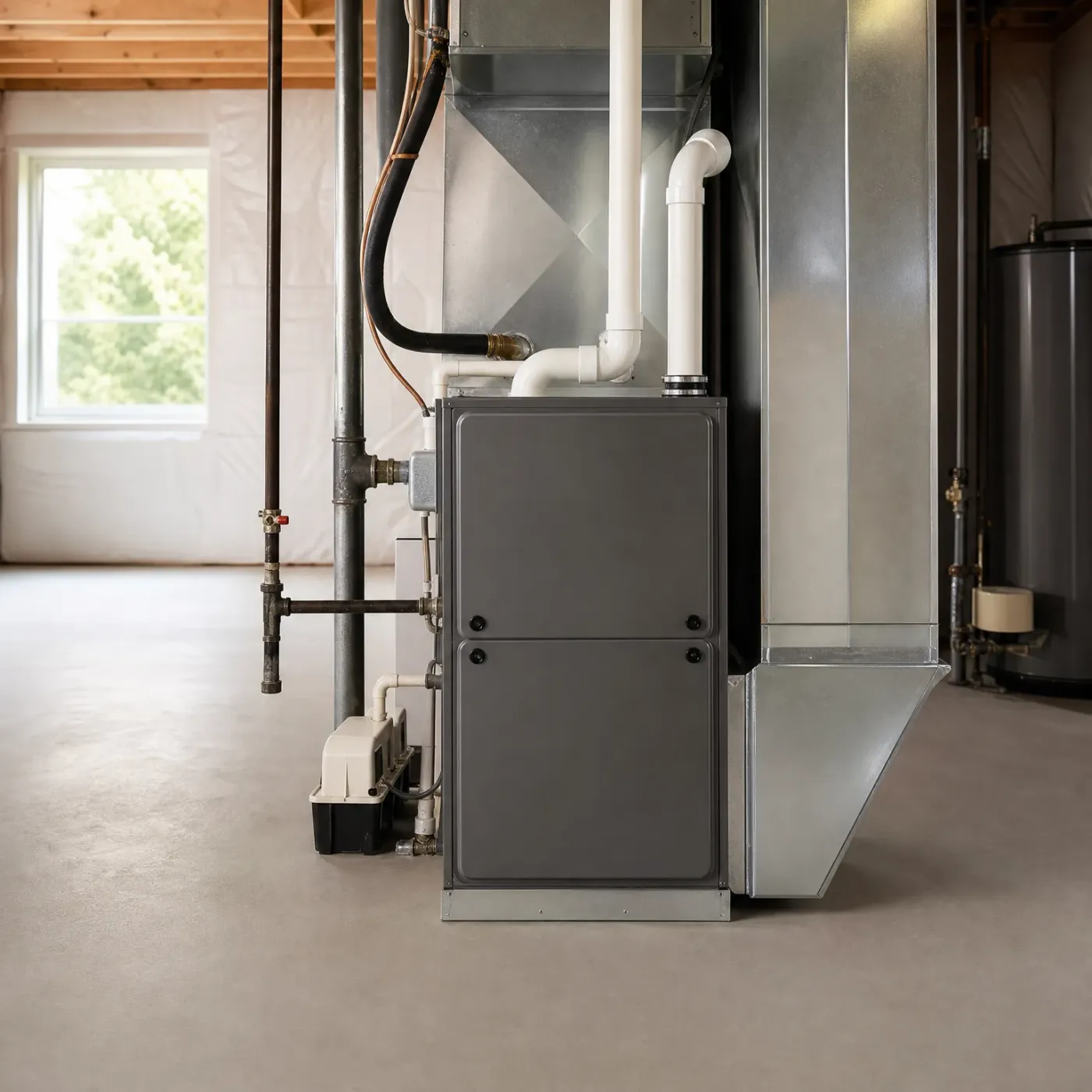
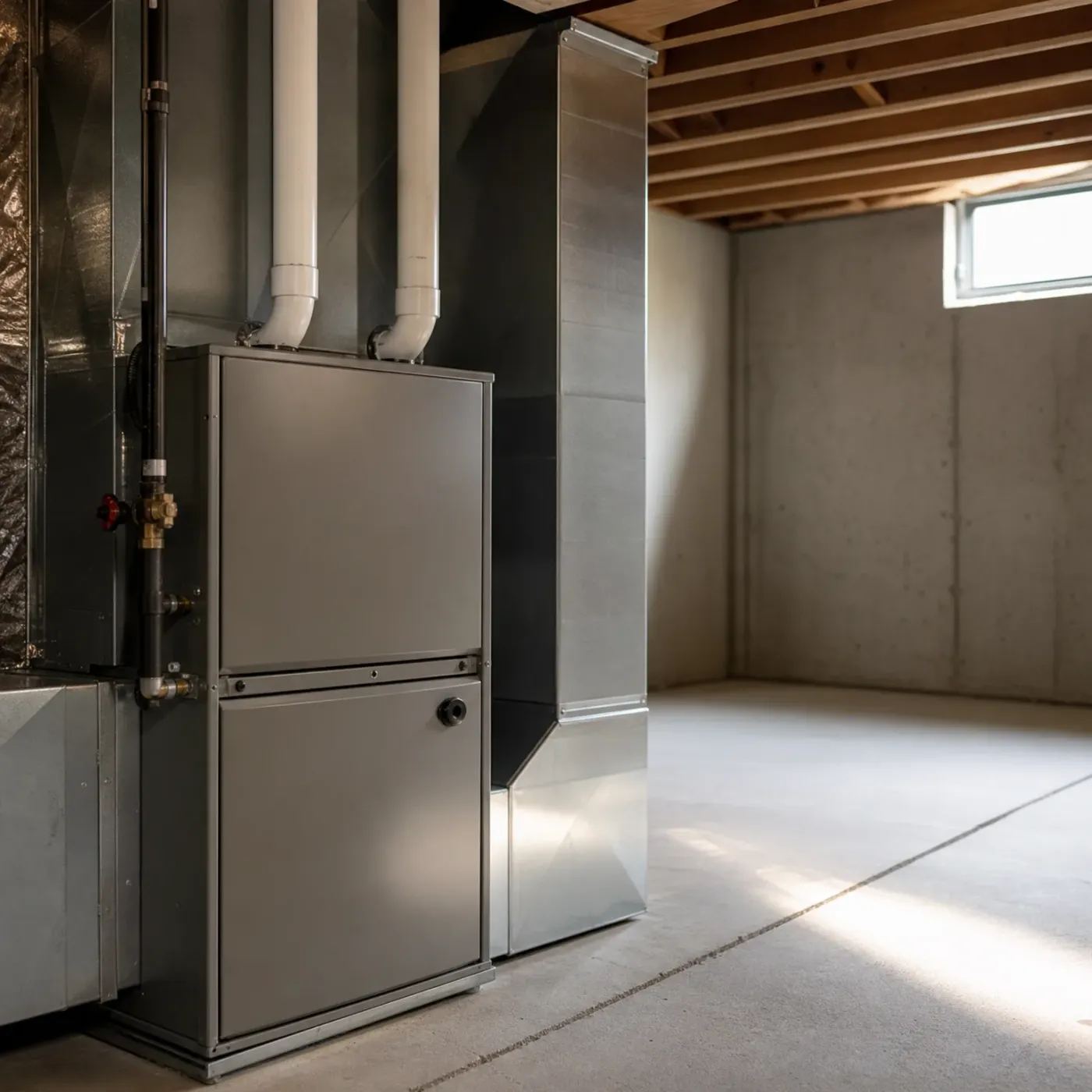
This is a furnace that got its fall check. The burner lights evenly, the gas line and venting have been looked over, and the furnace cycles on and off the way it's built to on a cold night. Nothing here is a surprise.
A furnace tune-up before winter means a technician cleans and inspects the parts that let your furnace run safely and keep up once it gets cold. That includes checking the igniter and flame sensor, looking at the heat exchanger for cracks, testing the gas pressure and burner flame, and checking the blower motor and belts if it has any. They'll also swap or check the filter, since a clogged one makes the furnace work harder and run longer to heat the same space. In Wisconsin, with gas furnaces running hard from November through March, a furnace that isn't firing cleanly costs more to run and is more likely to quit on a night you need it most. A cracked heat exchanger can also leak carbon monoxide into the house, which is why that check matters more than any other part of the visit. The tune-up won't fix a failing part, but it tells you what's wearing out before it leaves you without heat.
A furnace that sat idle all summer collects rust flakes and dust around the burner assembly, and that gets pulled and cleared out first. The flame sensor is next, wiped clean with a light abrasive pad, since even a thin film on it will make the furnace light and then shut off a few seconds later. Gas pressure gets checked at the manifold, because pressure that's too high or too low changes how the burners fire, and it gets adjusted if it's off. The inducer motor and its wheel get a look too, since wear there is what causes the rattling or grinding some furnaces develop by January. Static pressure gets measured across the whole system, which shows whether the ductwork or a dirty filter is forcing the blower to work harder than it should. Last, every electrical connection at the control board gets tightened, since a loose one is a common reason a furnace won't start on the coldest mornings.
Think about what your furnace actually has to do here. Once it turns cold in Wisconsin, it doesn't get a break until spring. It runs every day, often for months without a single warm stretch to coast through. Any part that's already weak in October is carrying that whole load from the start, not easing into it.
A furnace that hasn't been looked at since last winter is running on whatever shape it was in when you shut it off in April. If the flame sensor had a film building up then, it has more now. If the burner was collecting dust while it sat idle all summer, that dust is still there. None of that announces itself. The furnace still turns on. It just runs worse, or it shuts off a few seconds in, or it quietly uses more gas and more electricity to heat the same rooms you've always heated for less.
The real risk isn't the tune-up you skip. It's the timing of what happens next. A furnace that fails in October fails when it's seventy degrees out and a contractor can get to you that day. The same furnace, worn the same amount, tends to fail on the coldest night of January, because that's when it's working hardest. That's not a schedule you want to test. And a cracked heat exchanger carries a risk no thermostat will ever show you: carbon monoxide in the house, with no smell and no warning, until someone checks it directly.
Send the form, and lining up the furnace tune-up stops being yours to chase.
No charge to send it. You decide if you hire them.
This is a furnace that got its fall check. The burner lights evenly, the gas line and venting have been looked over, and the furnace cycles on and off the way it's built to on a cold night. Nothing here is a surprise.
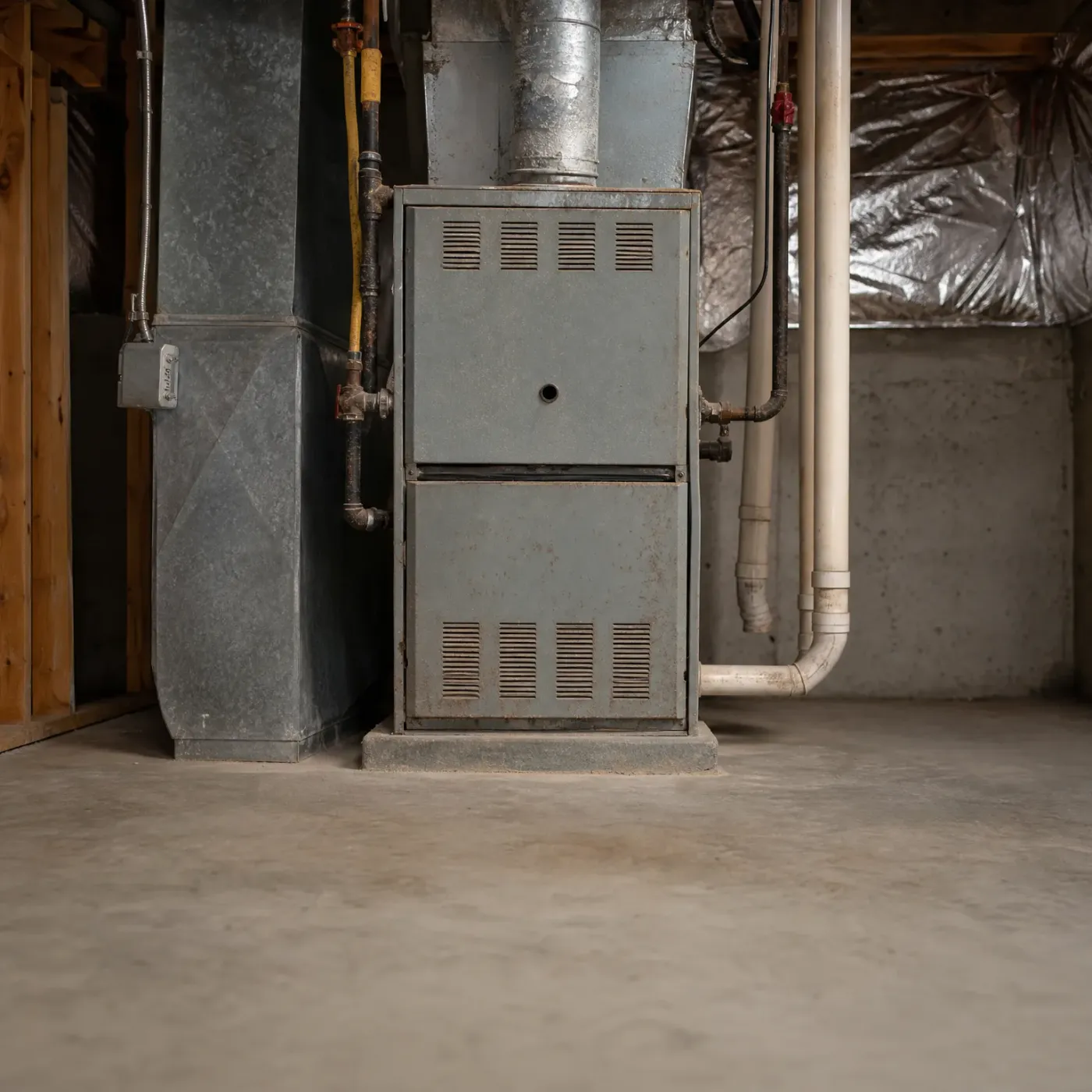
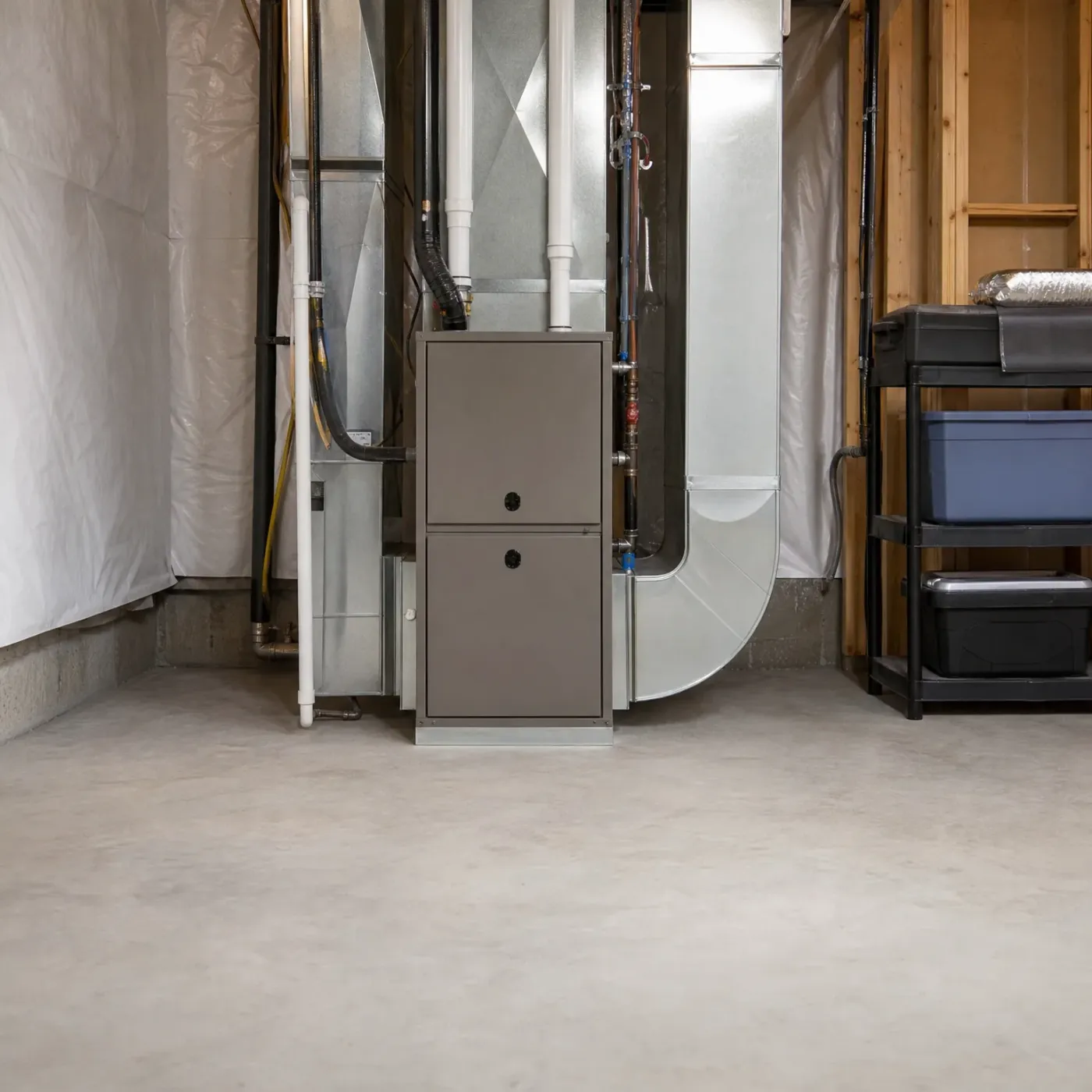
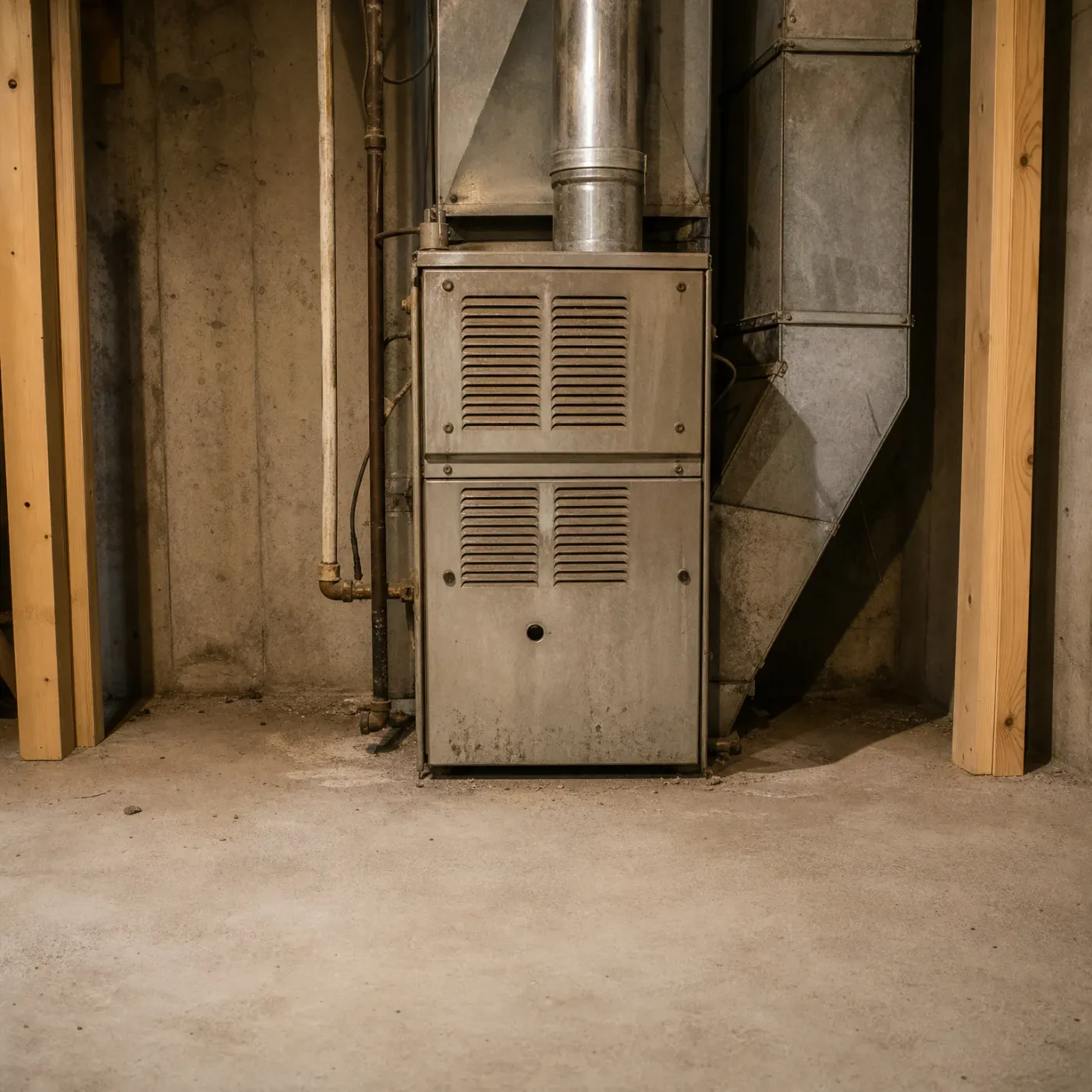
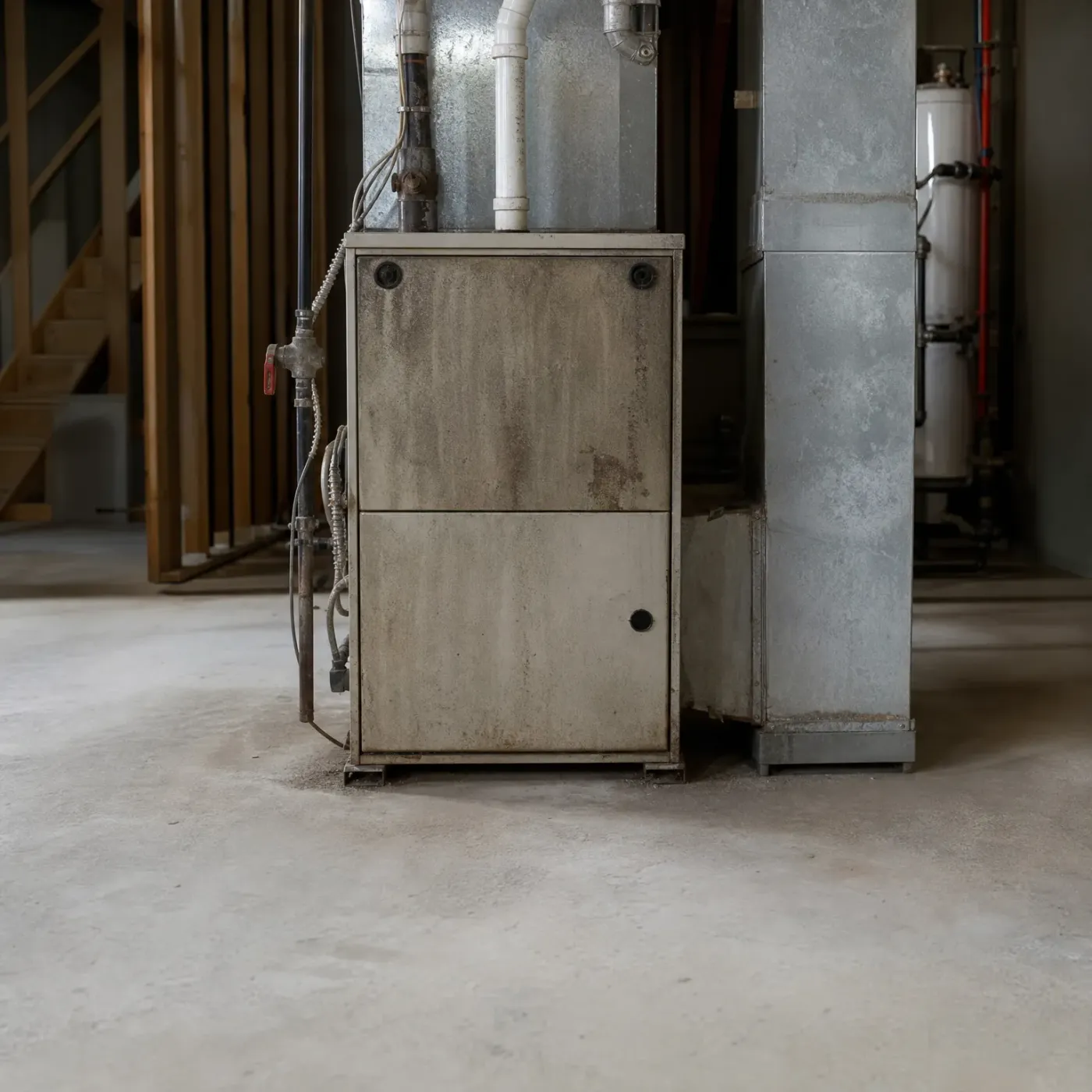
This one hasn't been touched since spring. Rust flakes sit in the burner assembly, the flame sensor has a film on it, and the cabinet shows its age. It'll run until it doesn't, and in Wisconsin that's usually the coldest night of the month.
You might not know until it's running every day. Listen for a rattle when it kicks on, or a burner flame that looks orange instead of blue. A furnace that short-cycles, running for a few seconds and shutting off, then trying again, is already telling you something's wrong. So is a rise in your gas bill that your thermostat setting doesn't explain. Dust near the vents or a faint burning smell the first few times it runs are common and usually clear up fast. If none of that happens and it just starts up quiet and even, that's what a furnace that got its fall check looks like. Skip the check and you're finding out what's wrong on the night you need the heat most.
Technician shuts off gas and power before opening the cabinet
Burner assembly comes out for a look and a cleaning
Flame sensor gets scraped clean with an abrasive pad
Heat exchanger gets inspected for cracks or rust-through
On a January night here, outside air averages 13°F. Your furnace has to run long stretches to keep up with that, and it won't do it well on a dirty flame sensor or a fouled burner. A fall check catches those before the cold settles in for good.
NOAA nClimDiv 1991-2020 county normals weighted by homes
A furnace that sat quiet since April collects dust on the blower wheel and rust flakes around the burners just from being idle. Most of what a technician finds in the fall is wear that built up slowly and never showed itself, because the furnace hasn't had to work hard yet. A hairline crack in the heat exchanger or a gas pressure that's drifted low won't make noise or smell like anything. They only show up when someone opens the cabinet and checks, and they're the kind of thing that turns into a bigger repair once the furnace is running every day.
Wisconsin gas furnaces run for months straight once the cold sets in, and most houses here don't have a backup way to heat if the furnace quits. A part that's worn thin in September can hold on through a mild week and fail on the first real cold snap, which tends to hit at night or over a weekend. Power here isn't cheap either, so a furnace that's cycling on a dirty sensor or restricted airflow is already costing more to run than it should, even before anything breaks outright.


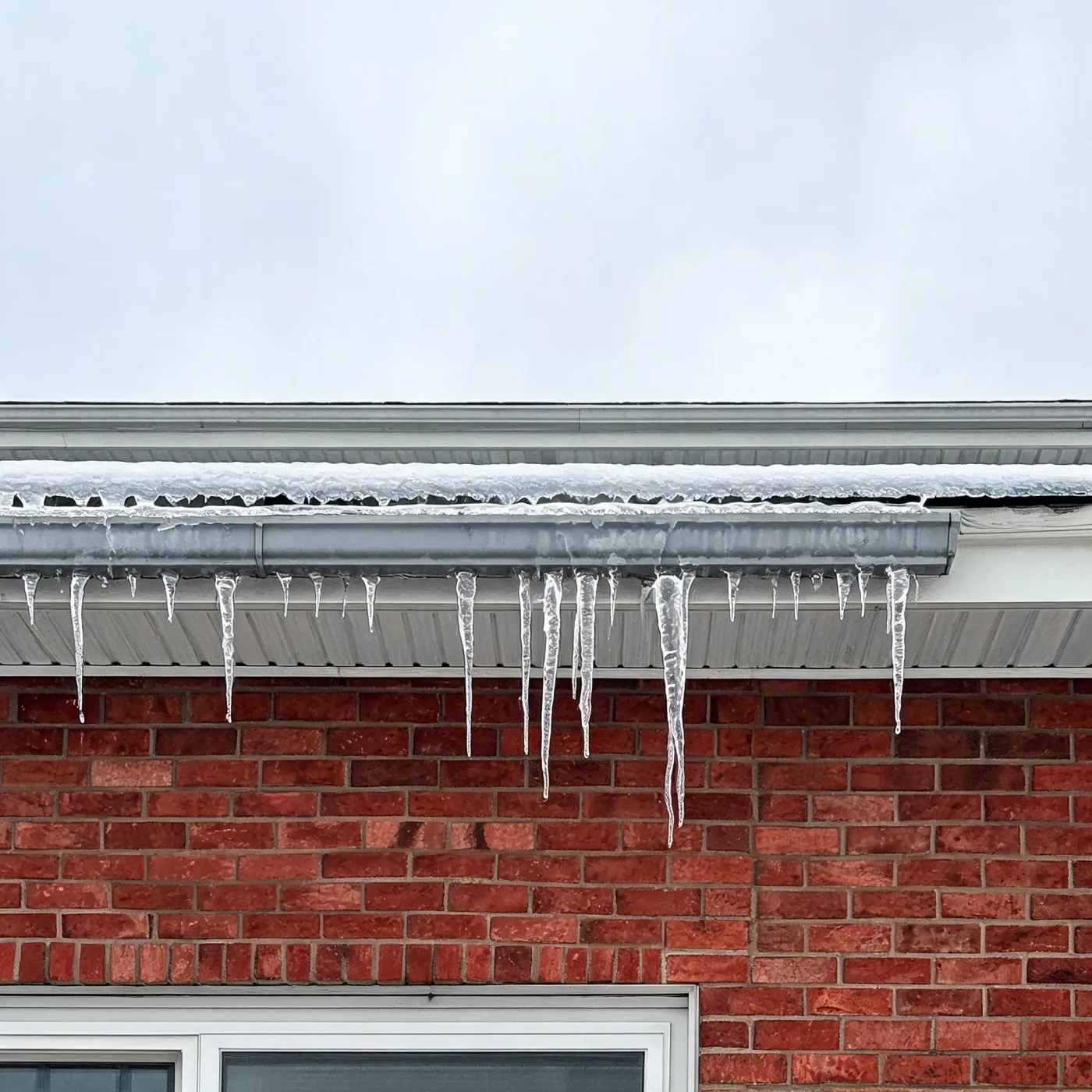
Statewide, winter nights average 13°F, per NOAA climate data. Your furnace isn't just kicking on for an hour and resting. At that temperature it's running long stretches to hold the house steady, sometimes most of the night. A burner that lights evenly and a flame sensor free of film can keep up with that kind of run time. One that's fouled from sitting idle since spring will struggle, cycling off early or not catching at all, and you'll notice it as a house that never quite gets warm or a furnace that seems to run constantly without much to show for it.
NOAA nClimDiv 1991-2020 county normals weighted by homes

A fall check comes down to this: a technician looks at the parts that decide whether your furnace runs clean all winter or struggles through it, and fixes what's found before the first real cold hits. That's the whole answer. Everything else is detail.
If you haven't had it done yet, the next step isn't tracking down who's available and waiting on a callback. Send the request and a contractor who takes on jobs like yours gets in touch with you directly. The part that used to take effort, finding someone to trust with it, is handled. Your furnace gets looked at, and you get to stop thinking about it.

Send the form and the furnace tune-up stops being something to remember.
There's no charge for the request.