
When a furnace flame sensor needs cleaning in Wisconsin

Send the form, and lining up the furnace tune-up stops being yours to chase.

Hand it off

How often should the flame sensor on my furnace be cleaned?

Your furnace keeps shutting off a few seconds after it lights, or it won't light at all, and someone mentioned the flame sensor. You want to know if this is a once-a-year chore or something you should be checking more often, especially with how much a Wisconsin furnace runs between October and April.

Once a year, before the cold sets in

A furnace flame sensor should get cleaned once a year, ideally before it has to run every day. The sensor is a thin metal rod near the burners that confirms a flame is actually lit. Every time the furnace fires, that rod collects a light coating of carbon and oxidation. Enough buildup and it can't read the flame anymore, so the furnace shuts itself off as a safety measure, often within seconds of starting. With gas heat running for months straight here, that coating builds up a lot faster than it would somewhere with a short, mild winter. A furnace that's already cycling off on its own is overdue, no matter when it was last done.

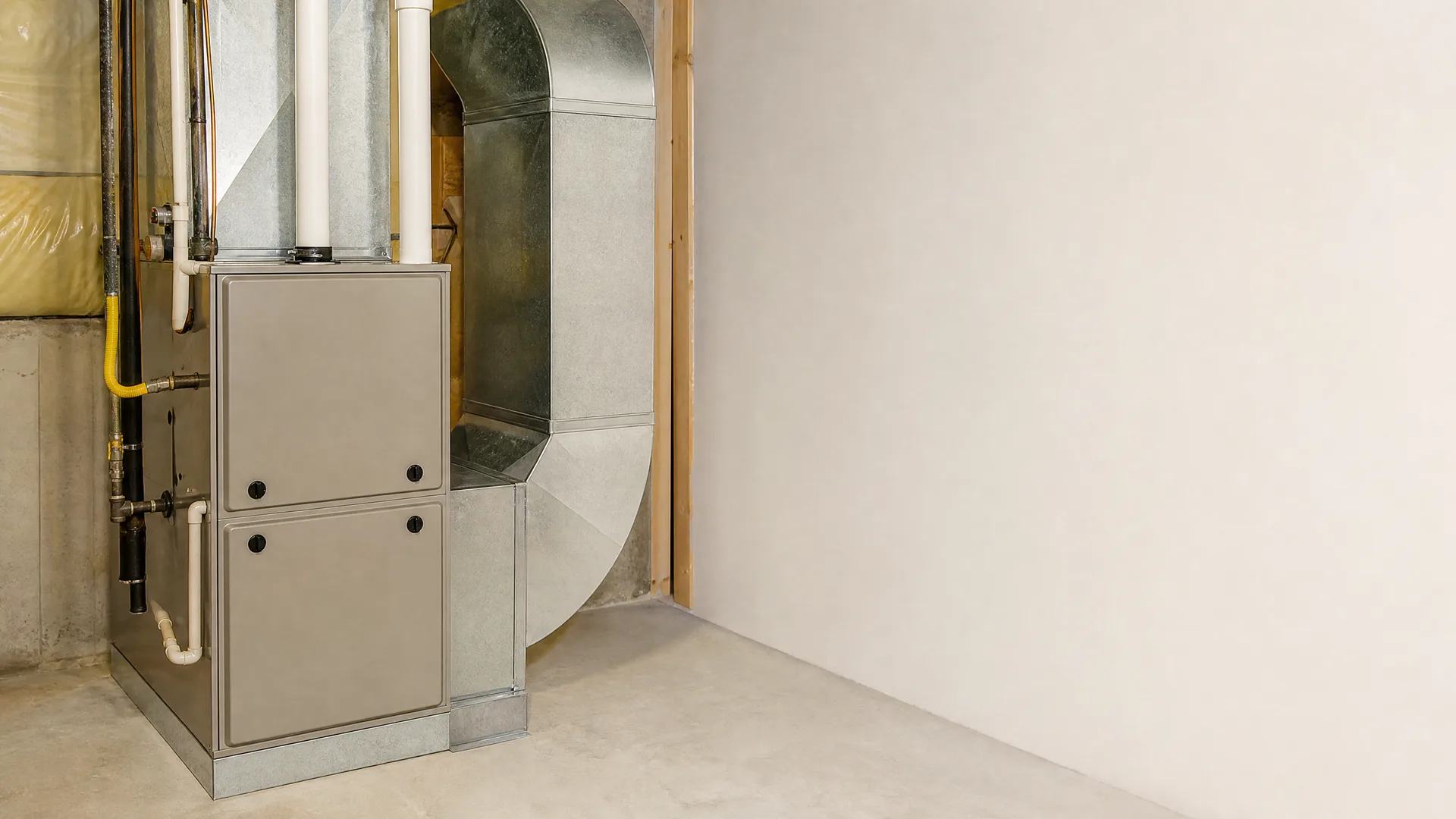
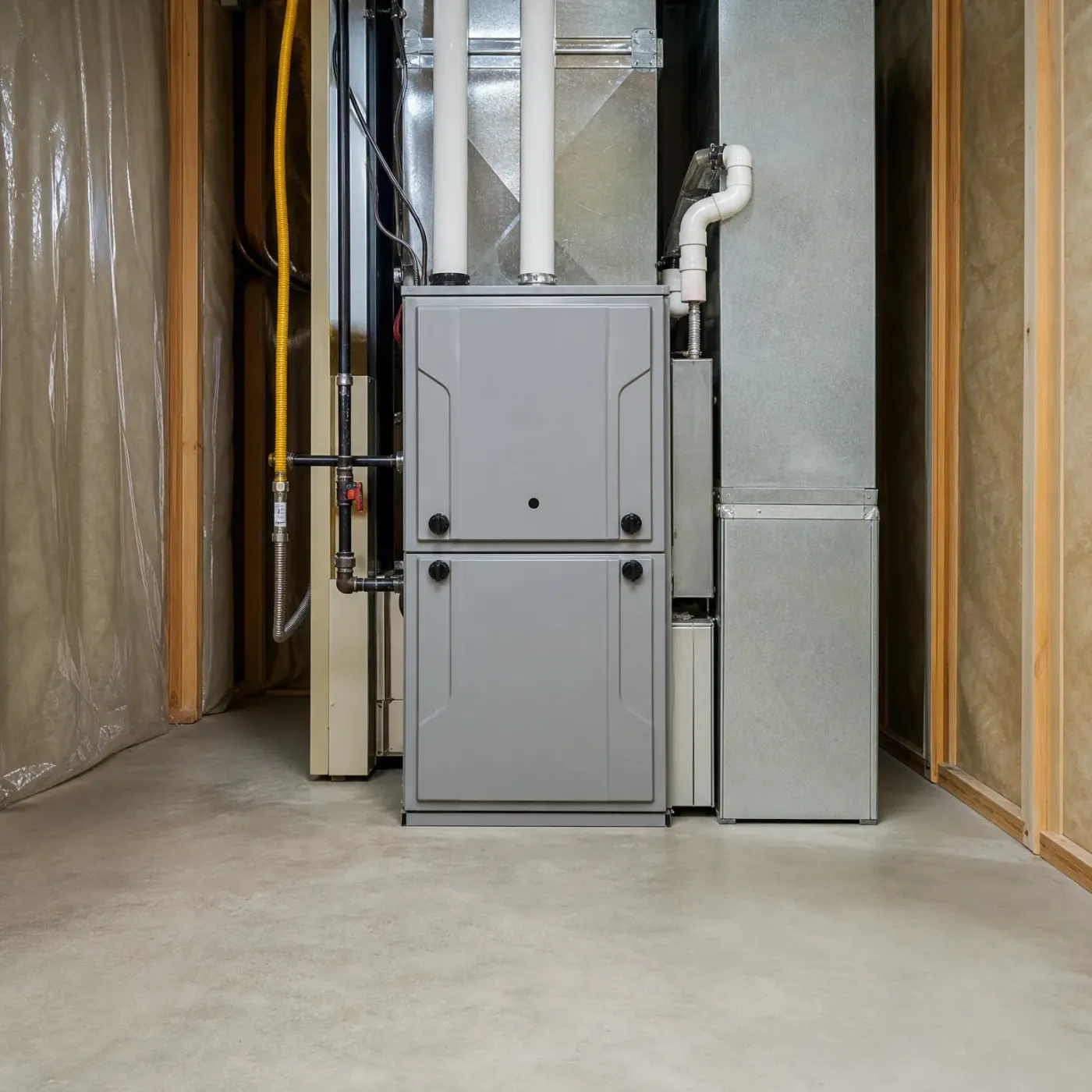
A gas furnace with sheet-metal ductwork, PVC vent pipes and copper and black piping stands against a wall in a basement with a bare light-colored wall and concrete floor.

What the sensor actually does

The flame sensor is a thin metal rod sitting in the burner flame. It proves to the control board that gas is actually burning, not just flowing. A film of carbon or oxidation builds up on that rod over a heating season and the rod starts reading the flame weaker than it is. Once the board decides the flame isn't there, it shuts the gas valve as a safety step. That's the short cycling you're seeing. Cleaning the rod removes the film and lets it read the flame correctly again.

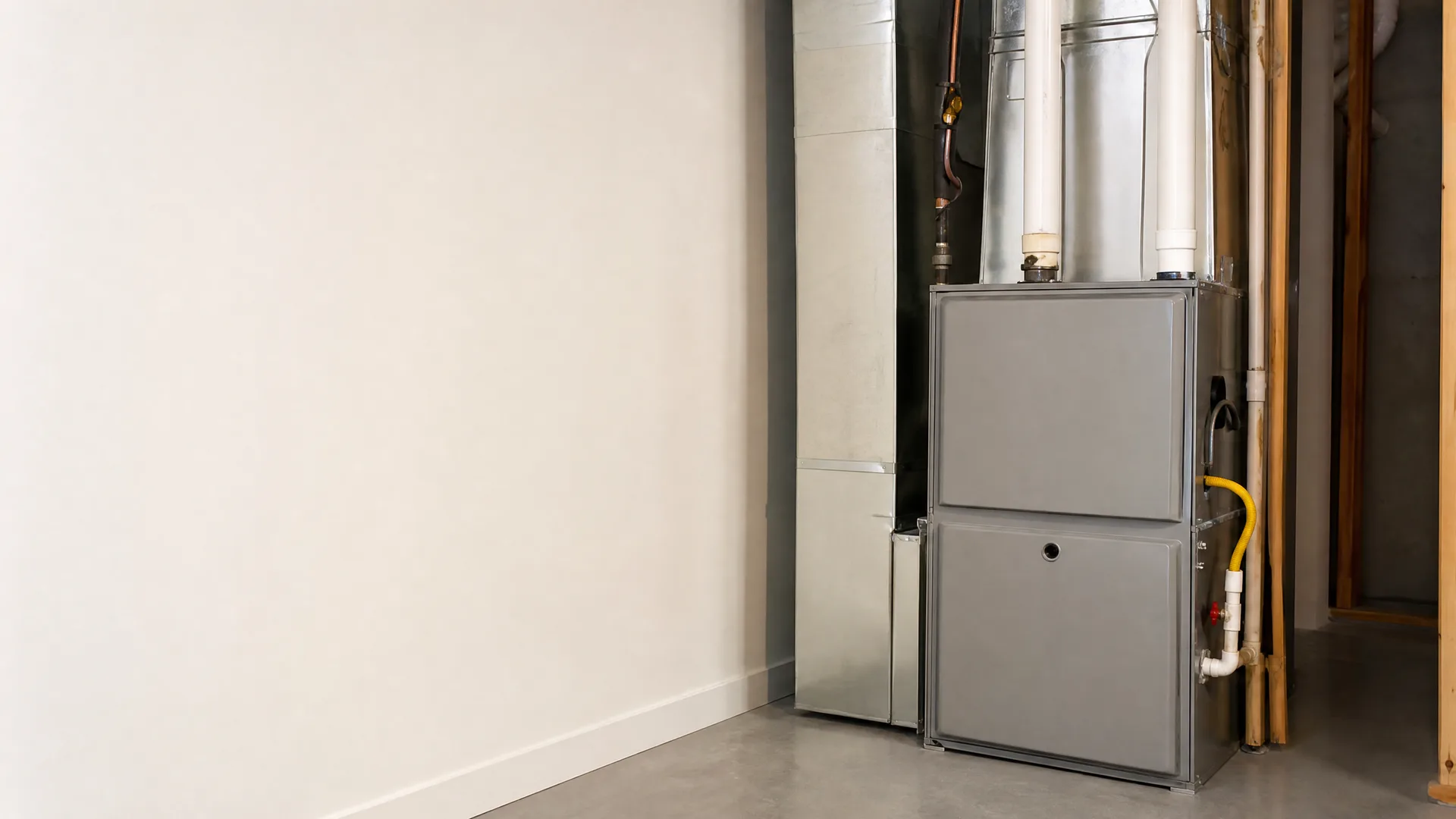
A gray furnace with attached sheet-metal ductwork, white PVC vent pipes, copper and yellow gas lines stands against a wall in a room with a plain white wall and concrete floor.

Why Wisconsin winters wear it faster

A furnace that runs from October into April is lighting and proving that flame many more times than one that only kicks on a few weeks a year. Every ignition cycle adds a little more residue to the rod. In a state where gas heat runs most of the year, that buildup happens faster than the manufacturer's once-a-year suggestion accounts for. Checking it at the start of the season and again partway through winter catches the problem before it causes a cold house and a service call in January.

Clean It Yourself or Have It Checked

Clean it yourself

  • You need the gas shut off and the sensor rod pulled out before you touch it, so this isn't a five-minute job if you've never done it.
  • A light scrub with fine steel wool or an emery cloth takes the carbon off the rod, but scrubbing too hard scratches the metal and makes buildup stick faster next time.
  • If the sensor turns out to be cracked or the real problem is somewhere else in the ignition system, you're back where you started and still without heat.
  • You save a visit, but you're the one figuring out whether the rod is even the issue when the furnace won't stay lit.
  • Wisconsin winters don't leave much room for trial runs if your first attempt doesn't fix it and you're waiting to try again.

Have it checked during a tune-up

  • A contractor cleans the sensor as part of going through the whole burner assembly, so anything else feeding the problem gets caught in the same visit.
  • A furnace that's running on a weak or dirty sensor longer than it should tends to short-cycle more, which adds wear you don't see until something else fails.
  • Gas runs most homes here, and with power costs what they are, nobody wants a furnace that's cycling on and off instead of running clean.
  • Sending the request once means you're not calling around, explaining the short-cycling to three different companies, and sorting through quotes before anyone shows up.
  • Once that form is in, the search for who can look at it is off your plate.
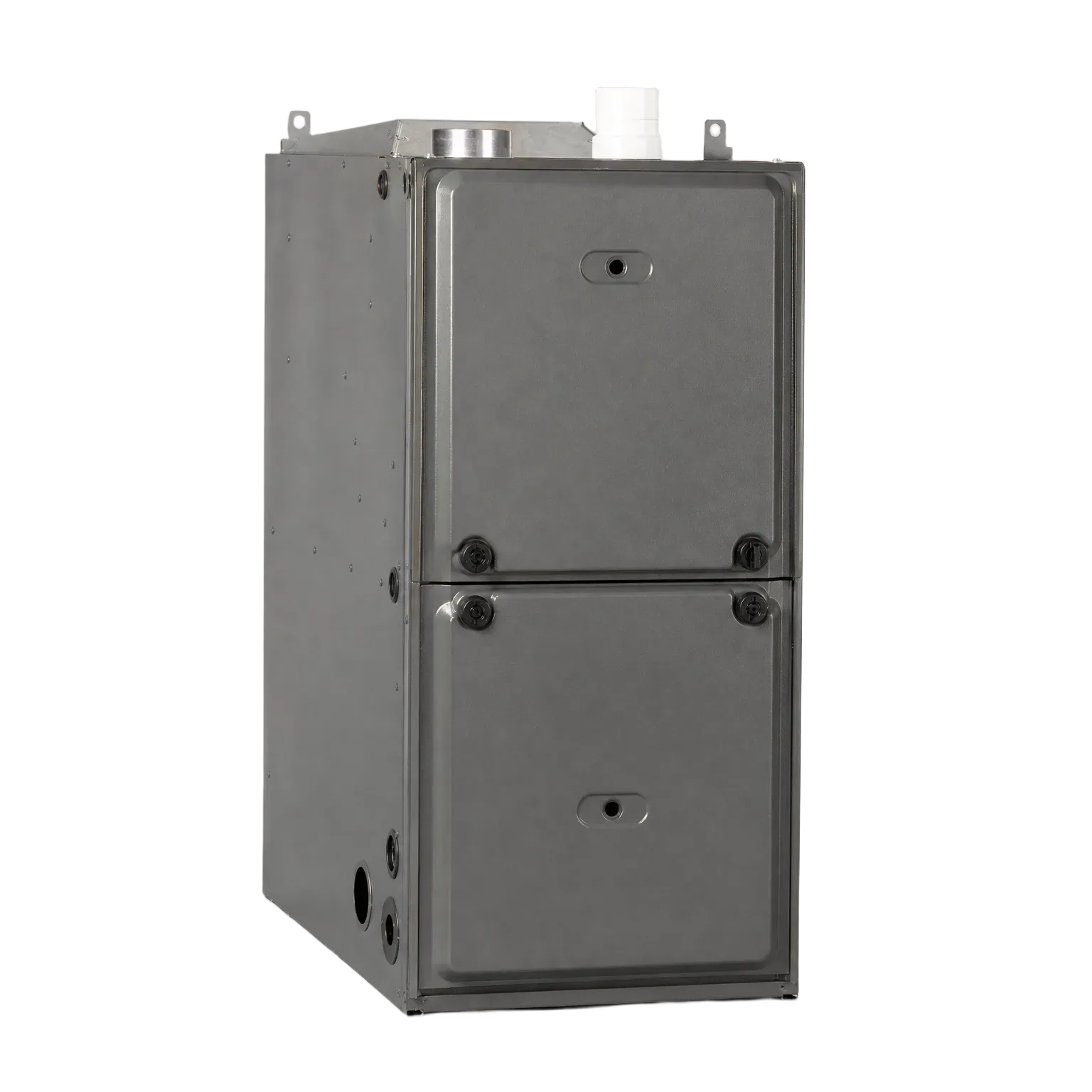
A gray high-efficiency furnace with white PVC vent pipes stands in an unfinished basement beside sheet-metal ductwork, gas piping, and insulated stud walls on a concrete floor.

Running clean

This is what a flame sensor doing its job looks like. The furnace fires, stays lit, and runs through the cycle without a stutter. No short-cycling, no lockouts, no smell of gas while it tries to catch. A clean rod reads the flame and the board leaves the gas valve open.
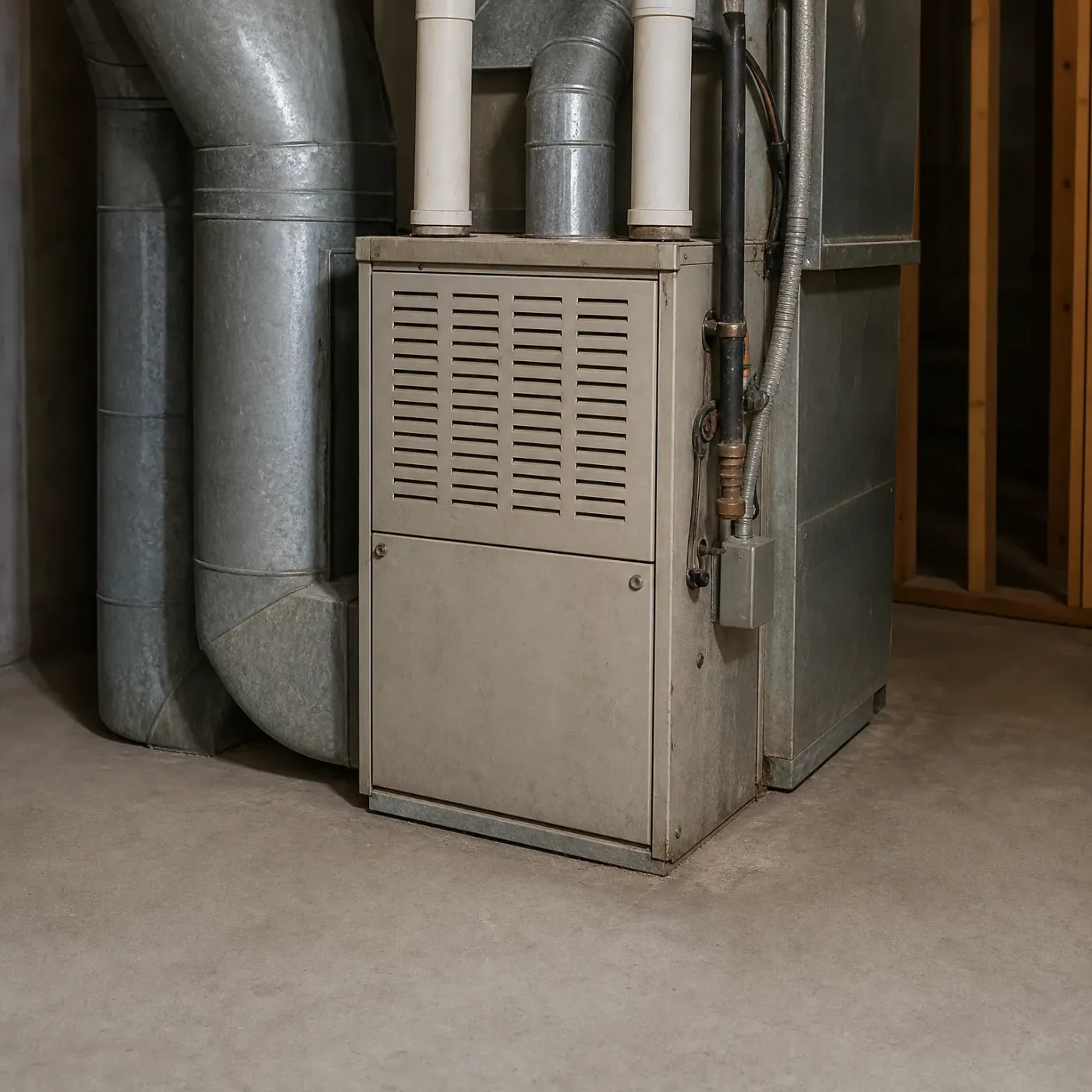
A beige sheet-metal furnace with a louvered upper panel stands on a concrete basement floor, connected to galvanized ductwork, white PVC vent pipes, and a metal gas line with an electrical box.

Sensor gone bad

A furnace like this one will fire, burn for a few seconds, then cut out on its own. It may try again and again before locking out for good. The rod can't sense the flame through the carbon on it, so the board shuts the gas off, same as it would for no flame at all.

Winter nights average 13°F statewide

On a 13°F night your furnace is running most of the night to keep up, which means that flame sensor is lighting the burner over and over for hours. More cycles, more carbon on the rod, and a dirty sensor shows itself fastest on the coldest nights.

NOAA nClimDiv 1991-2020 county normals weighted by homes

A smiling man in a dark navy sweater sits on a light sofa in a living room, with a glass bowl of popcorn on a wooden coffee table and bookshelves behind him.
A smiling man in a dark green sweater sits on a tan leather sofa in a dimly lit living room, with a bowl of popcorn in the foreground and a kitchen area blurred behind him.
A smiling middle-aged man in a dark shirt sits on a gray sofa in a living room, with a bowl of popcorn on a side table and shelves, a window and kitchen area behind him.
A smiling bearded man in a dark gray t-shirt sits on a gray couch in a living room, with a large glass bowl of popcorn on a wooden table in the foreground.

Stop chasing a furnace pro

Skip calling around to set up a furnace tune-up.

You only hire the pro if you want to.

What a dirty sensor costs you

A furnace that short-cycles on a flame sensor isn't heating your house while it's doing it. It fires, runs for a few seconds, shuts off, and tries again. Each restart pulls power and each failed attempt means the house sits a little longer without heat moving through the ducts. On a cold stretch that adds up on the power bill, and with electricity priced the way it is in Wisconsin, a furnace that has to relight itself a dozen times before it catches is burning money on every one of those tries. You'll notice it first as a draft that doesn't go away, then as a bill that doesn't match the weather.

What happens if you wait

Left alone, the carbon on the rod keeps building until the sensor can't read the flame at all. At that point the furnace locks out instead of short-cycling, and you get no heat rather than weak heat. That's a bad position to be in on a night when it's below zero outside. A furnace that's been skipped for a year or two doesn't fail gently. It fails on the coldest night you've had all winter, because that's when it's working hardest and the rod is dirtiest. A once-a-year cleaning keeps you from finding out the hard way.

A woman in a dark gray sweater reclines on a light sofa with eyes closed and a slight smile, under a textured gray blanket with an open book resting on her lap, with a lit table lamp and plant in the background.
A smiling bearded man in a navy crewneck sweater sits at a dinner table with a glass of red wine, plates and glasses in the foreground, in a dimly lit room with a lamp and framed picture behind him.

Where this leaves you

  • Clean the flame sensor once a year before the furnace runs hard, with a second look if it starts short-cycling mid winter.
  • A rod that reads clean lets the furnace fire once and hold, instead of lighting and quitting over and over.
  • Skipping the cleaning doesn't stop the furnace from running, it just makes the furnace work harder to do the same job.
  • Wisconsin winters push the furnace through enough cycles that carbon builds back up faster than in a mild climate.
  • A contractor can pull the sensor, clean it, and check the rest of the burner in one visit instead of you guessing at the cause.

Once a year, clean. That's the whole answer. Do it before the cold really sets in, and check it again if the furnace starts short-cycling in January or February. A furnace that's been through a Wisconsin winter has pushed the burner through thousands of cycles, and every one of them leaves a little more carbon on that rod. Skip the cleaning and the furnace doesn't quit on you right away. It just starts working harder for the same heat, restarting more, costing more to run on power that already isn't cheap here.

If you've gotten this far and you're not interested in pulling the sensor yourself, that's reasonable. It's a small part in a tight spot, and getting it wrong means a furnace that won't light at all. A contractor who does this work can have the sensor out, cleaned, and the rest of the burner checked in one visit, rather than you spending an evening looking up furnace models, calling a few places to see who even answers, and explaining the same short-cycling problem three times before someone can get out to you. That part, the finding and the calling and the re-explaining, is what goes away once you send the form. The cleaning itself still takes the time it takes. But you stop being the one who has to track down who can do it.

A single-story stucco house at dusk with a lit paver walkway lined by low path lights, desert plants and boulders in front, and distant mountains under an orange and blue sky.

Furnace Maintenance

Send one request and you're done looking

Step 1 of 3: Equipment
  • A dimly lit living room corner with a beige upholstered sofa holding a dark green cushion and a chunky knit throw, beside a wooden sideboard with a lit ceramic table lamp, a small potted plant, and a wooden bowl, with a framed artwork on the wall and a mug on a book in the foreground.
    • A local pro who services furnaces gets in touch about the tune-up.
    • Describe your furnace job, and a local pro who handles it gets in touch.
  • A round wooden coffee table holding a round stone vase of green foliage, a lit candle in a glass container, and a small dark bowl, with a beige sofa, cushions and knit throw behind and a window at left.
    • Send it once and finding someone is no longer on you.
    • Once you send the form, finding a pro is off your list.
  • Sunlit living room with a wooden coffee table holding a ceramic vase of leafy branches and a carved wooden tray with two stacked books, in front of a beige sofa with tan and green cushions and a potted plant near a window.
    • Describe your furnace job once, to one pro.
    • Fill out one form instead of calling around for a furnace tune-up.
  • Interior corner with a lit ceramic table lamp and wooden bowl on a wood sideboard, a framed picture and branch-filled vase behind, a knit throw over an upholstered chair, and a lit candle in a glass holder, stoneware mug and round planter of green foliage on a wooden table in the foreground.
    • A licensed local pro takes the request for your furnace tune-up.
    • The pro who reaches out is licensed in Wisconsin.