The furnace is keeping up
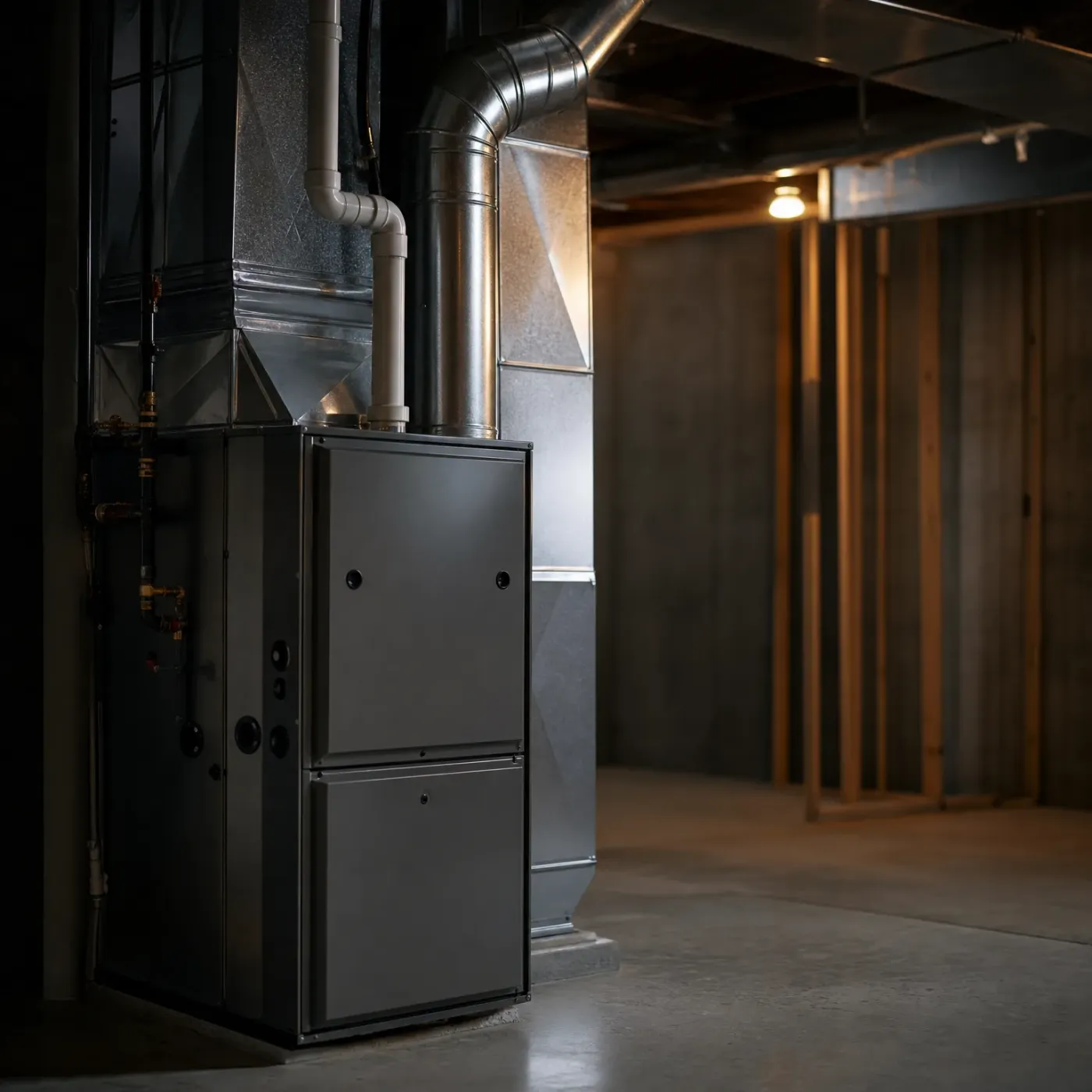
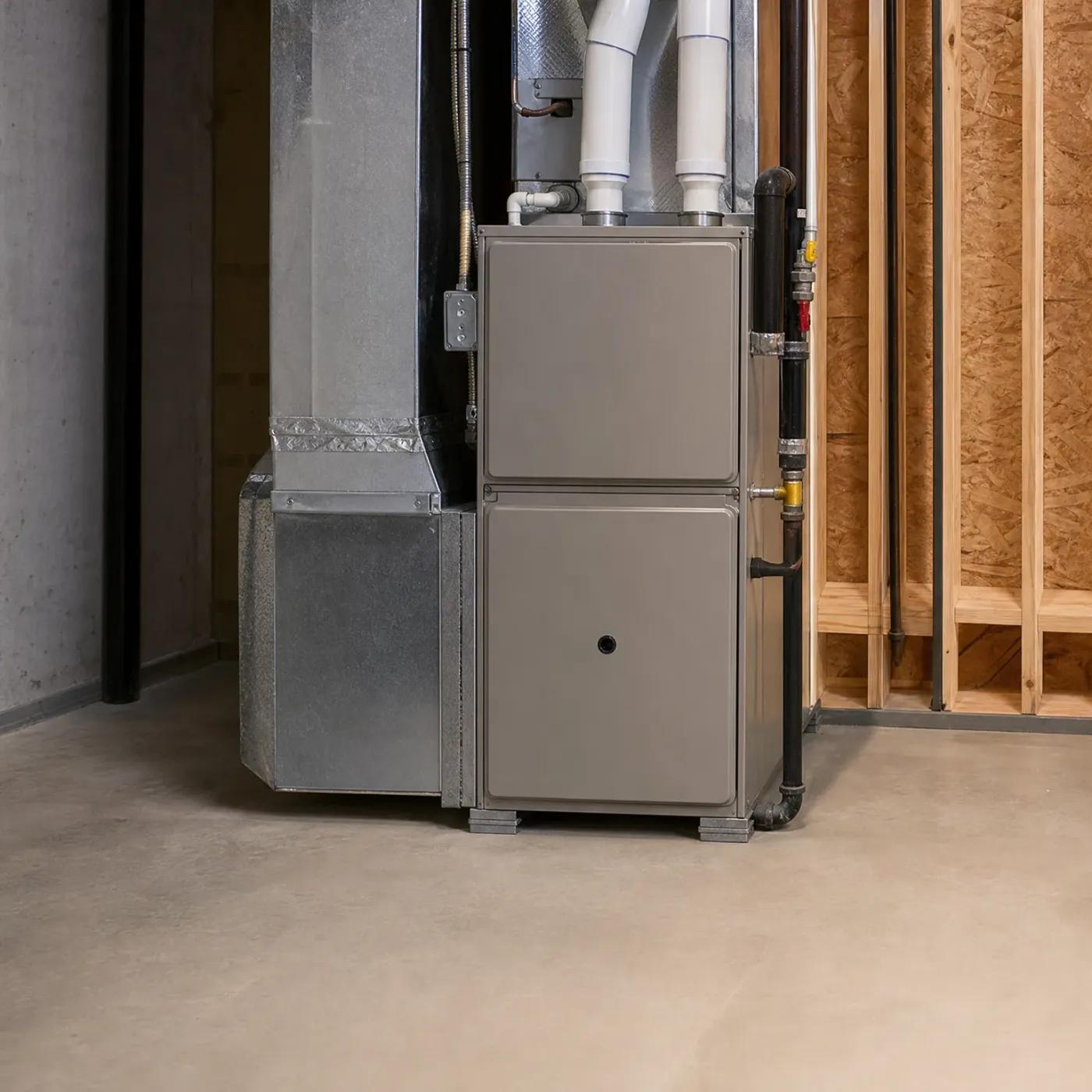
A furnace like this is moving warm air through sheet-metal ducts to every room on its own. The PVC pipes vent exhaust safely and bring in combustion air, so it runs steady all winter without starving any one room of heat.
Finding a pro stops being your job
One cold room with the rest of the house fine usually comes down to a duct that's closed or blocked, a register a piece of furniture is sitting in front of, or that room being farthest from the furnace. Sometimes it's the thermostat location fooling the whole system. This page gets into why it happens and what fixes it. Send off your details and a local furnace contractor takes it from there.
Let a pro reach outOne room running cold while the rest of the house is fine almost always comes down to airflow not reaching that room the way it should. Check the vent first. If it's closed, blocked by a couch or a bed, or caked with dust, that alone can starve the room of heat. If the vent is open and clear, look at the duct run. A room far from the furnace, or one with a long duct run through an unheated attic or crawlspace, gets less heat than rooms closer to the unit, and loses some of that heat along the way before it ever reaches the register. A damper in the ductwork can also be partly closed without you knowing, cutting off supply to just that one branch. In a Wisconsin winter, even a small gap in airflow shows up fast as a room that never quite warms up no matter how high the thermostat runs. A contractor can check the dampers, the duct run, and the balance between rooms to find exactly where the heat is being lost.
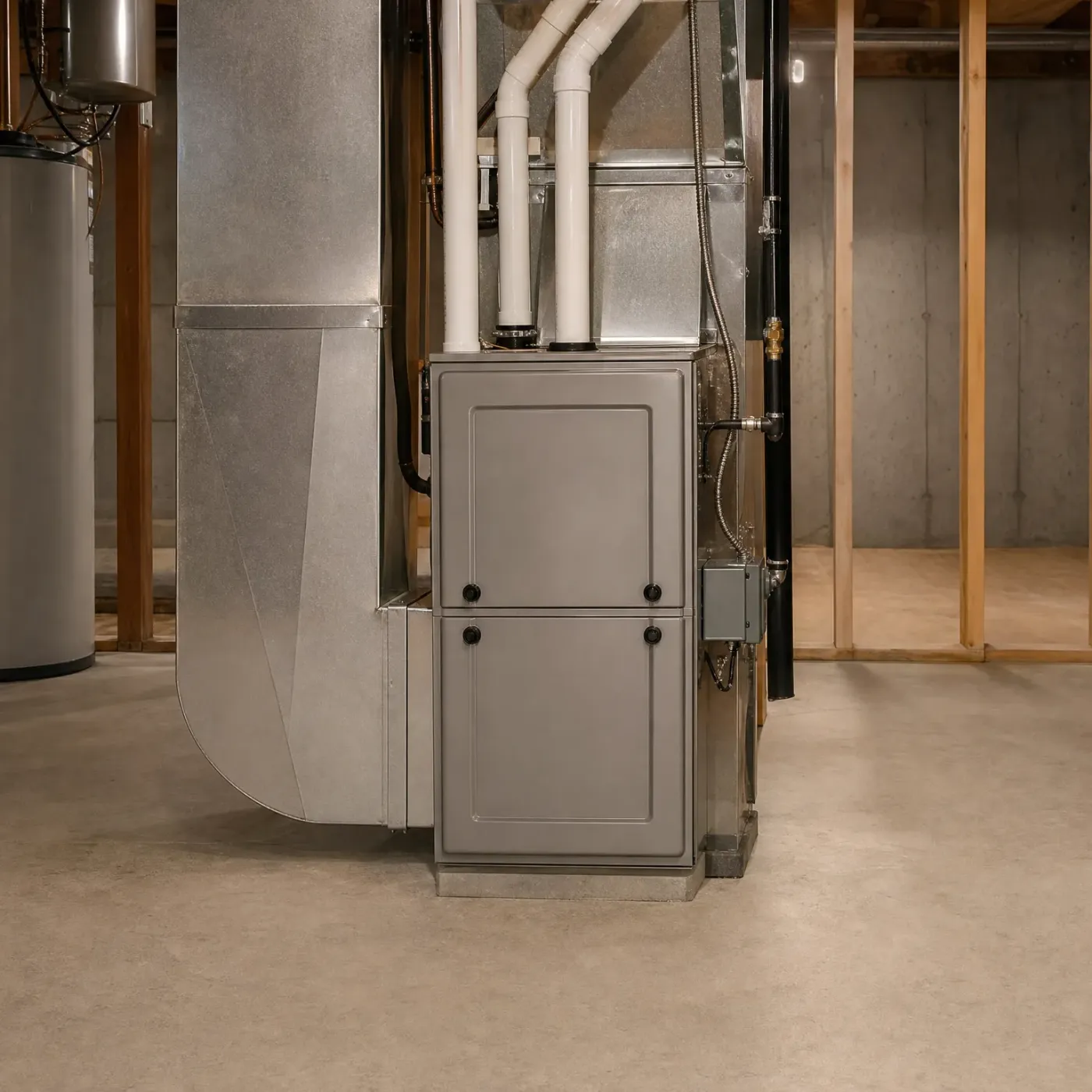
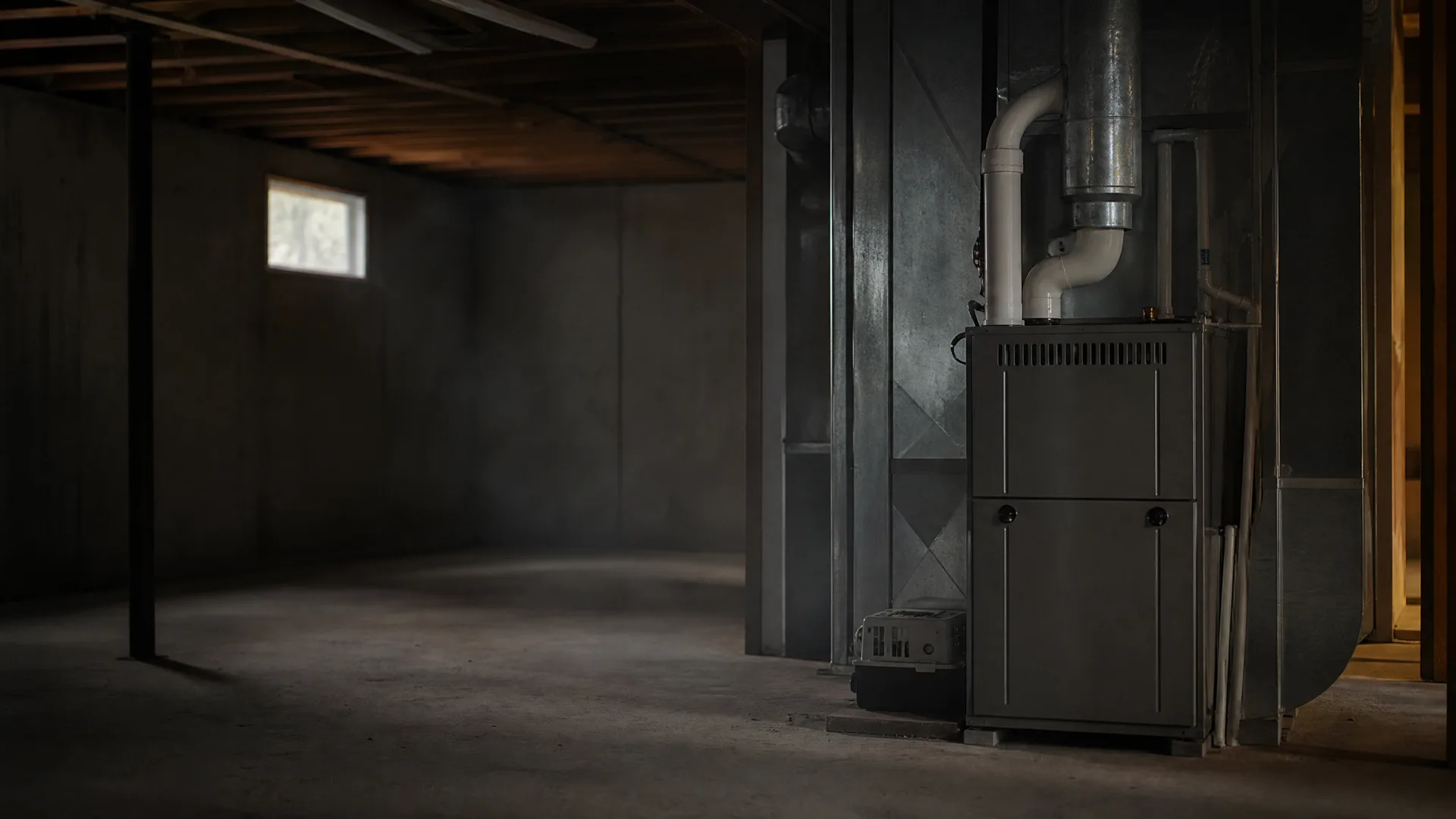
You're down checking the breaker box around seven, after dinner, and the furnace is quiet when it shouldn't be. Not running, not ticking, just sitting there dark. A thin film of dust hangs in the air by the cabinet, caught in the light from the bulb overhead. Outside it's November in Wisconsin, already dark, already cold enough that you can feel it coming through the block walls. You bend down and check the door panel, listen for the inducer, hear nothing. Upstairs that one room has been cold for days and you figured it was a vent. Standing here now, you're not so sure it's that simple anymore.
You've checked the vent, moved the furniture, and the register is open and clean, but that one room still runs cold. Before calling anyone, it helps to understand what's actually happening behind the wall. Ductwork isn't one straight shot from the furnace to every room. It's a branching system, and branching means some rooms are set up to get less air than others from the start.
Every register in your house is fed by a branch off the main trunk line running from your furnace. A room close to that trunk gets a short, mostly straight run. A room at the far end of the house, or upstairs, gets a longer run with more elbows and turns, and every turn slows the air down and drops the pressure a little more by the time it reaches the register. If that branch is also a smaller duct than the ones feeding other rooms, which happens more often in additions and rooms built later, it was carrying less air than the rest of the house before anything ever wore out or came loose.
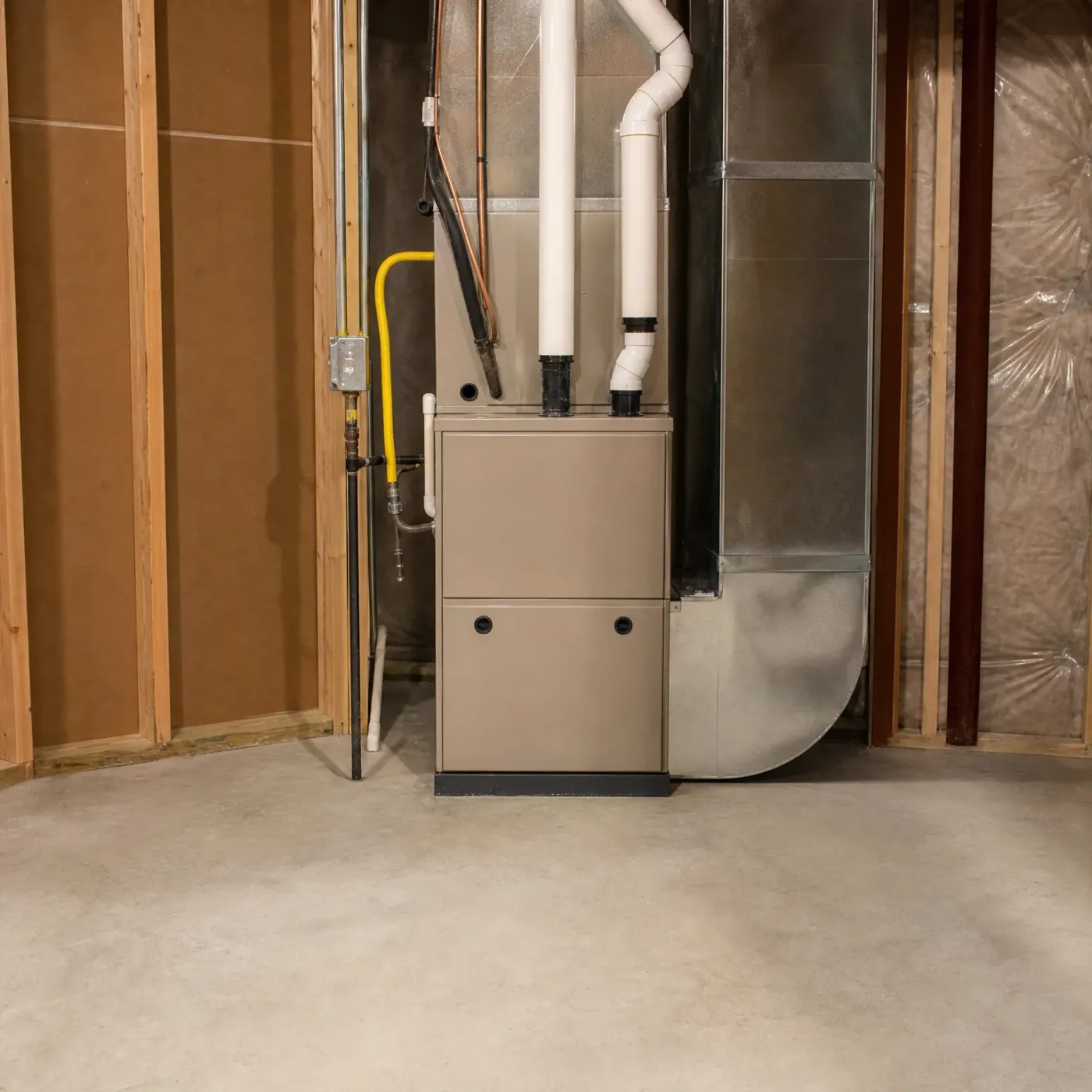
A furnace like this is moving warm air through sheet-metal ducts to every room on its own. The PVC pipes vent exhaust safely and bring in combustion air, so it runs steady all winter without starving any one room of heat.
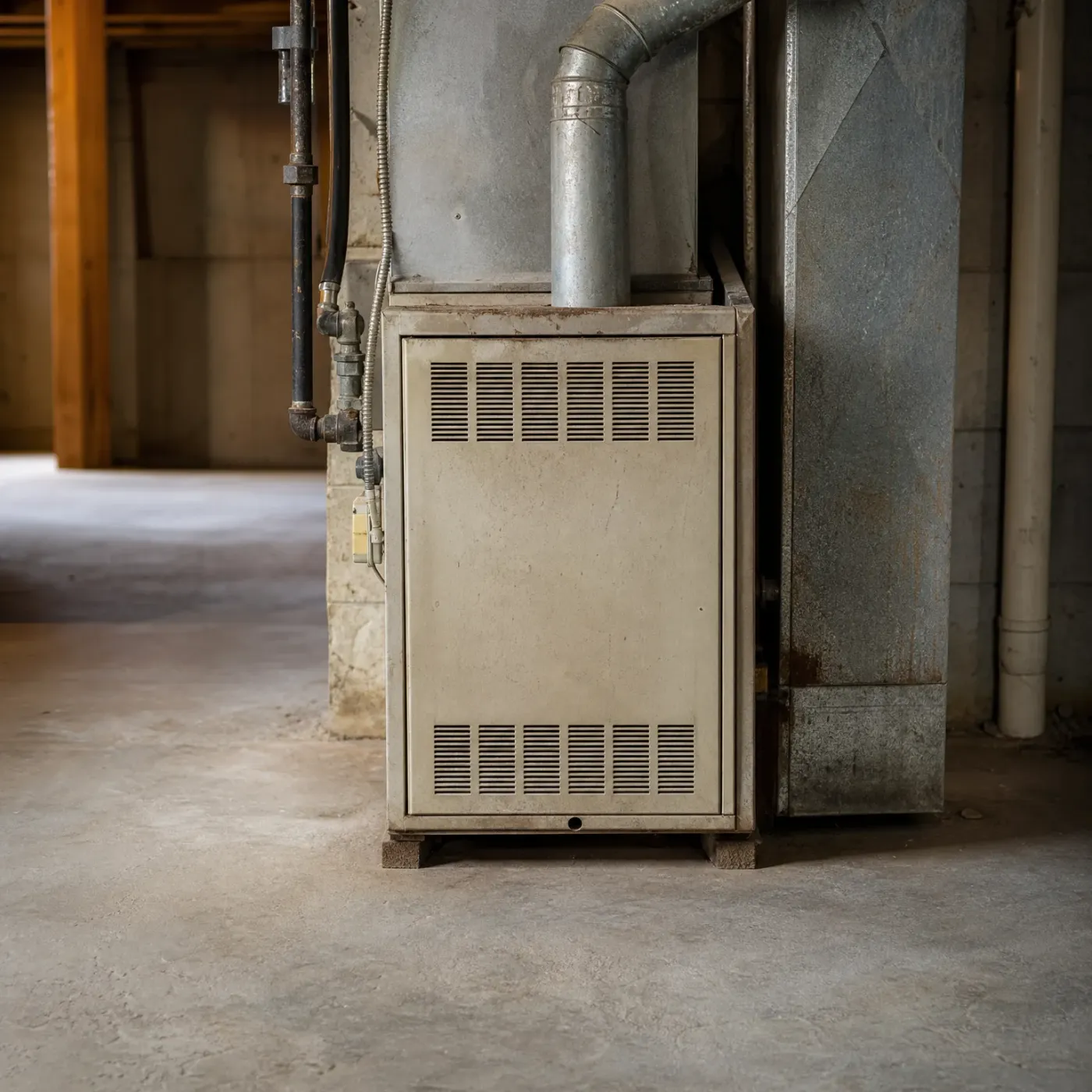
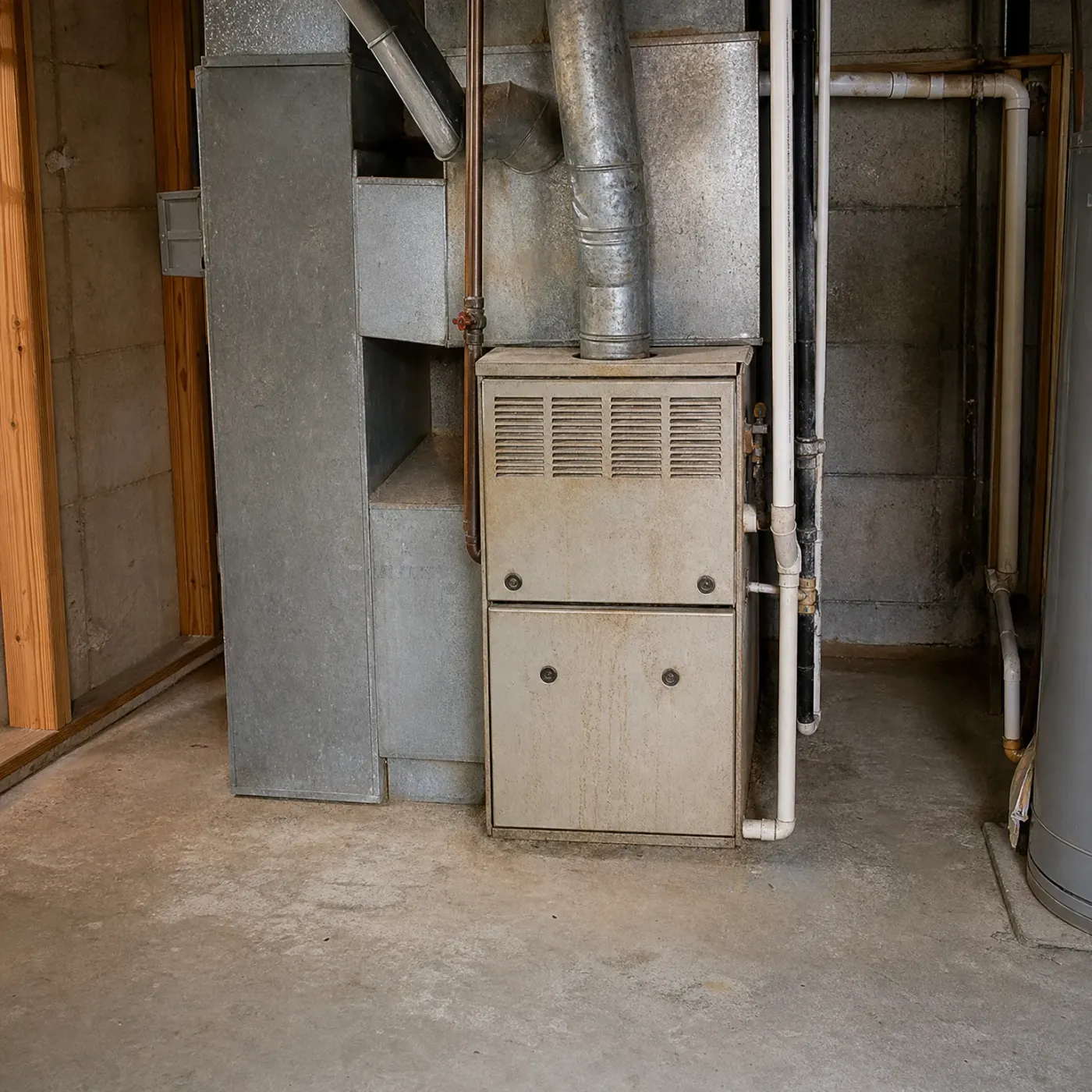
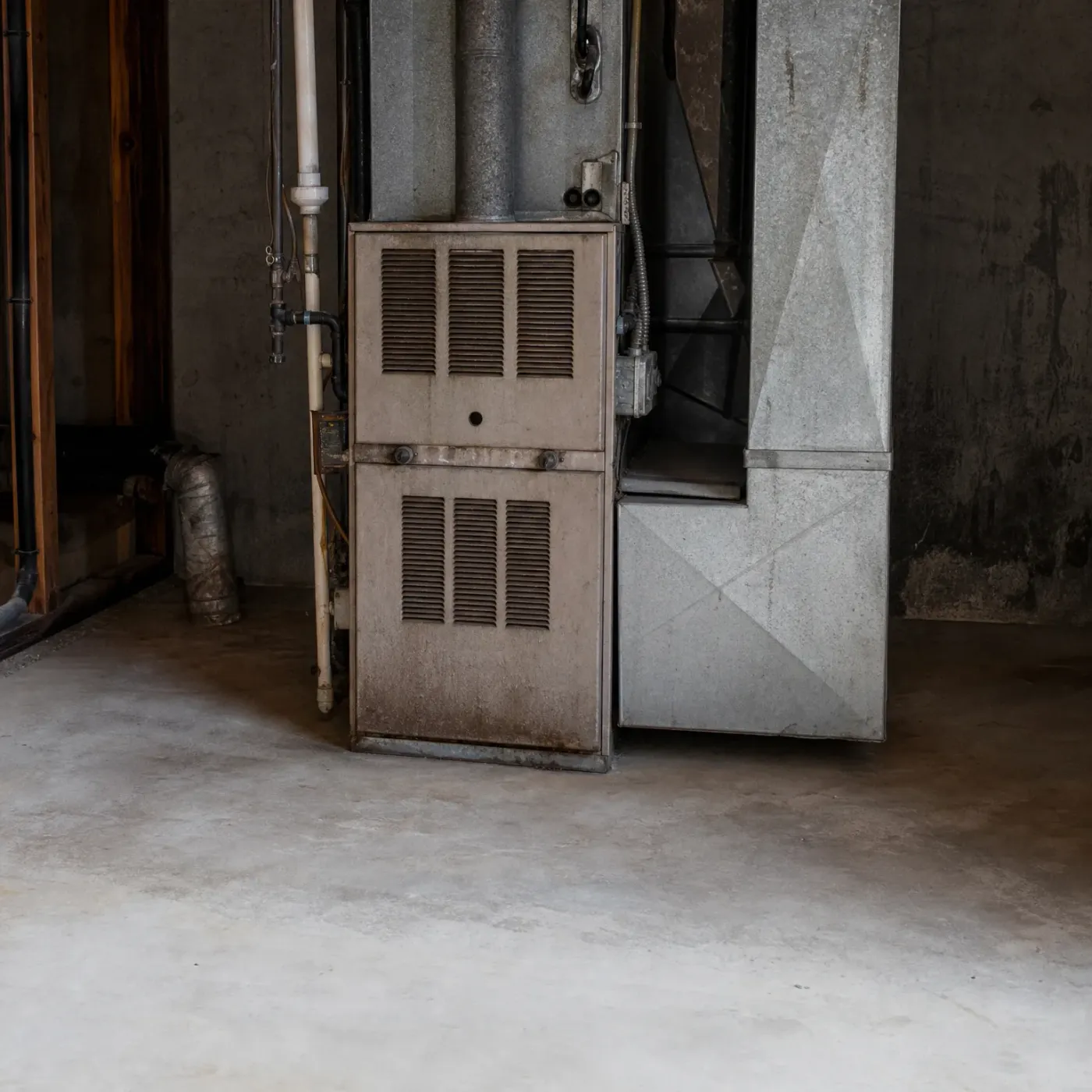
An older furnace like this can still run, but the ducts and plenum connected to it have had years to shift, loosen, or clog with dust. That's often enough to send less air to one room while the rest of the house heats fine.




You've gone through the easy checks: the vent is open, nothing's blocking it, and the room still won't hold heat like the rest of the house. At that point it's a duct problem somewhere between the furnace and that register, and finding it means getting into the ductwork itself, which isn't a homeowner job in a Wisconsin winter when you need the fix right, not just attempted. A furnace tech who works on systems like yours every season has seen this exact complaint plenty of times and knows where to look first, whether that's a disconnected run in the basement or a damper that was never set right. One contractor gets your request, local to you, licensed for the work, and the search for who to call is off your plate. That cold room has likely been costing you on the gas bill all winter too. Send the request and let someone who does this for a living take it from here.
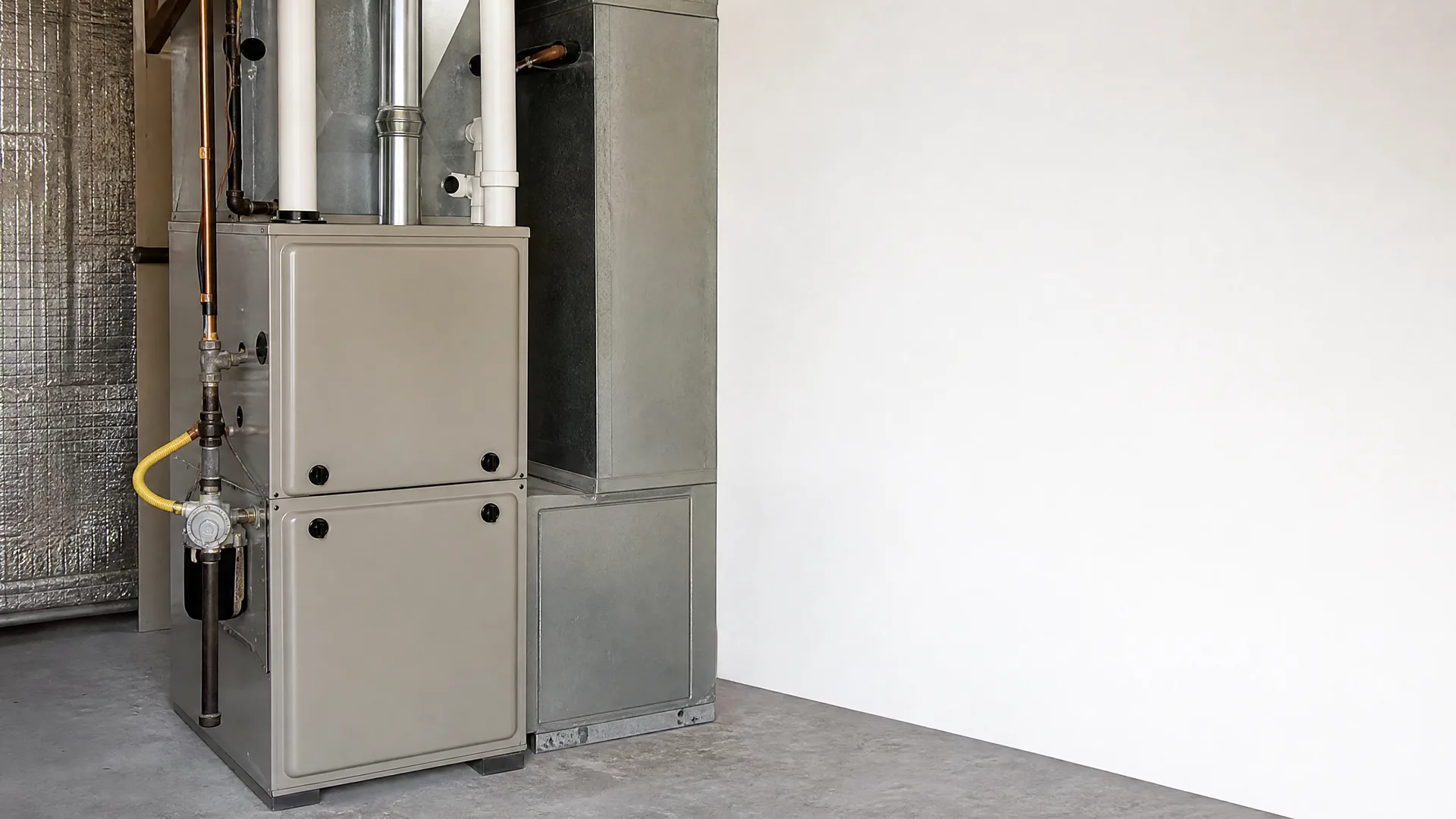
Warm air loses heat as it travels. The farther a duct run goes, the more it cools before it ever reaches the register. A room at the far end of the house, especially over a garage or above an unheated crawlspace, can end up several degrees cooler than a room near the furnace even when every duct is wide open and clear.
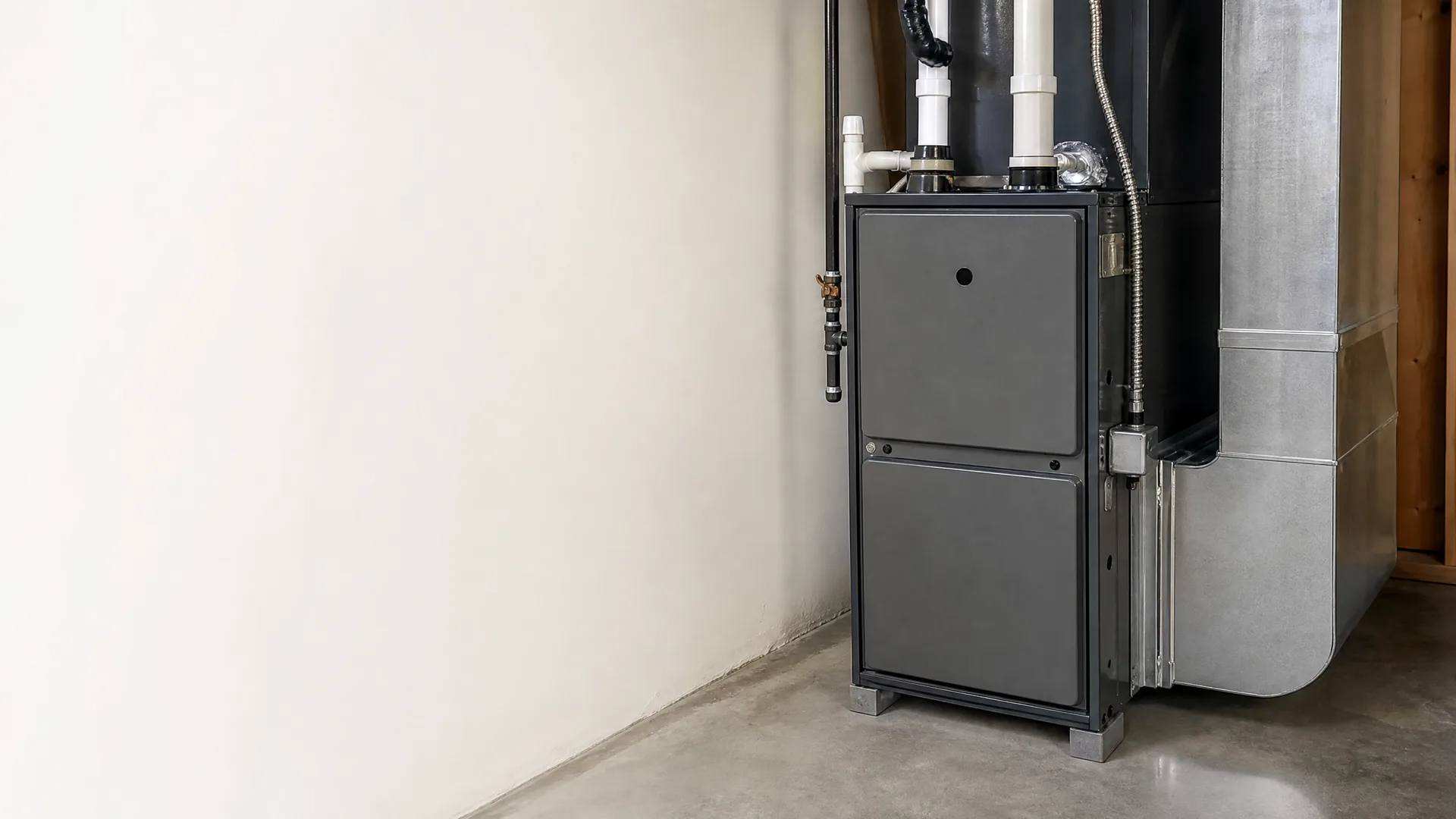
Many duct systems have small metal levers inside the trunk line, usually near where a branch splits off toward a room. These let a contractor throttle back airflow to rooms that run warm so more air pushes toward the ones that run cold. If yours came with the house, you may not know it's there, and finding it without opening ductwork takes someone who does this for a living.
You keep the thermostat set the same as always, but that one room needs a space heater or an extra blanket just to feel normal. The floor is cold underfoot even with socks on. Put your hand up to the vent and the air is weak, barely moving, maybe not warm at all. Close the door to keep the cold in that room from bothering the rest of the house, and it gets worse, not better. If that room has a crib or a bed where someone sleeps, a space heater running all night to make up for it is its own risk, and it's also adding to a power bill that's already not cheap here.
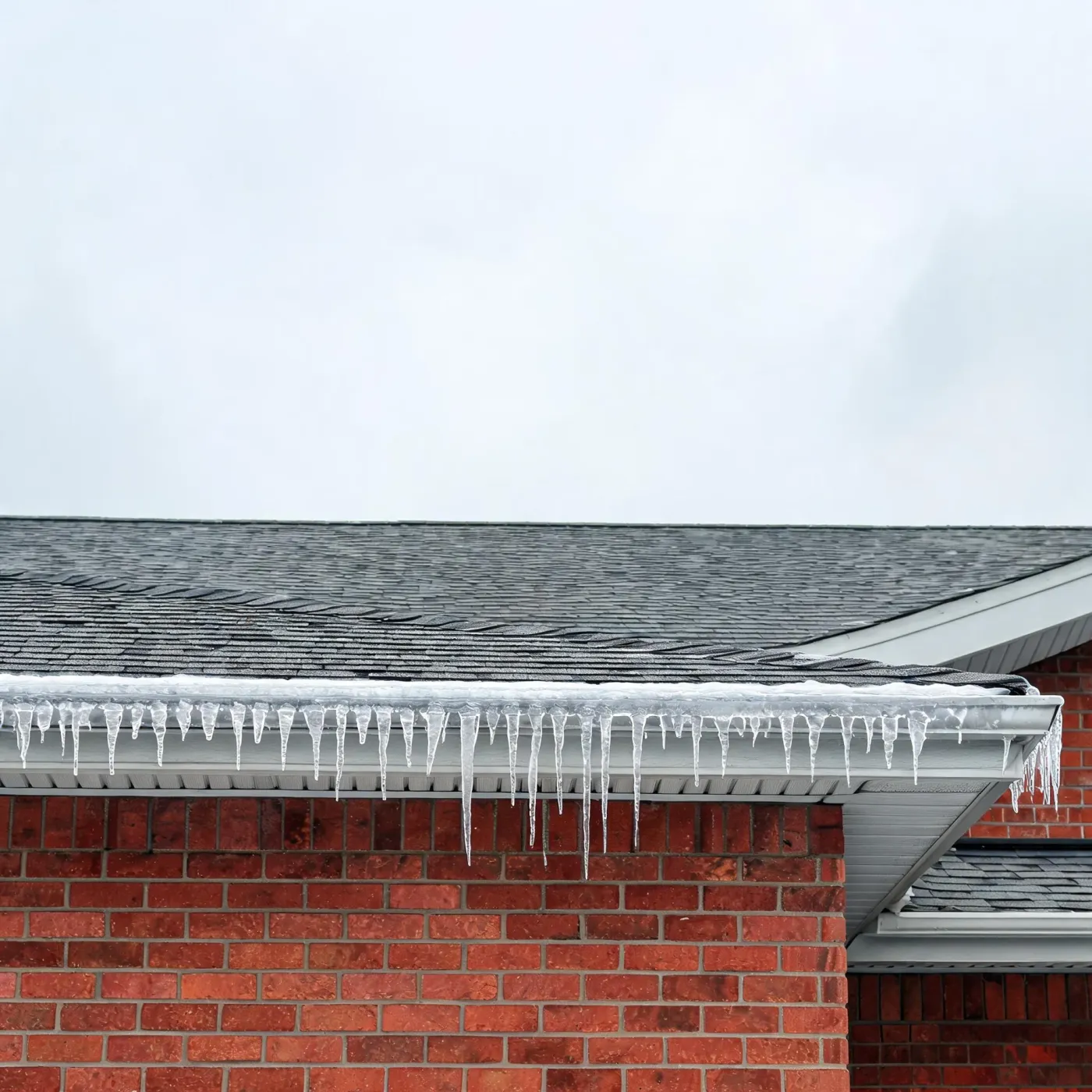
Statewide, winter nights average 13°F, according to NOAA climate data. That's the kind of cold that makes your furnace run long stretches without shutting off, and a long cold room shows the strain first. Warm air has to travel the full duct run and win against that outside temperature before it reaches the register, and the room farthest from the furnace, or the one over a garage, loses that fight more often. You might notice the furnace running almost constantly on those nights, and still that one room sits cold by morning. It's not your imagination. It's the duct run losing the battle a closer room wins easily.
NOAA nClimDiv 1991-2020 county normals weighted by homes
At 13 below zero some nights, that far room is losing the fight before the air even gets there. A furnace working that hard runs longer stretches, and any weak spot in the duct run to that room shows up fast.
NOAA nClimDiv 1991-2020 county normals weighted by homes
Start with what's free to check. Open the vent all the way, pull the couch or bed back from the register, and wipe off any dust that's built up. That fixes it more often than people expect. If the room still runs cold after that, the problem isn't in the room anymore. It's somewhere in the duct run between the furnace and that register, or in how the furnace itself is pushing air through an aging system. A long run loses heat before it ever gets there, especially to a room that sits farthest from the furnace or over an unheated space. An older furnace or a worn return plenum can send air unevenly no matter how new the house around it is. None of that shows up by looking at the vent. It takes someone getting into the ductwork to find where the air is actually going. Wisconsin nights that drop to 13 below don't create these weak spots, but they find them fast. A furnace running long stretches in that kind of cold pushes harder through every duct, and the one with a problem falls behind first. If you've already done the easy checks and that room still won't hold heat, you're not missing something simple. You're looking at a repair, and at this point you know enough to describe exactly what's wrong when someone comes to look at it.


One request and it's handed off
Only one pro gets your request, so you hear from one company.