
Why your furnace is blowing cold air in Wisconsin

Tell a local repair pro what your furnace is doing.

Find my pro

A furnace that blows cold air usually hasn't failed outright. Most gas furnaces run a blower that starts before the burners light and keeps running after they shut off, so a few minutes of cool air at the start or end of a cycle is normal. If what's coming out of your vents stays cold the whole time the furnace runs, the burners likely aren't lighting at all. That points to a dirty flame sensor, a failed igniter, or a clogged filter choking off airflow and tripping a safety switch. It can also mean the gas valve isn't opening, or the thermostat is calling for fan only instead of heat. In a Wisconsin winter this isn't something to wait out. A furnace that won't actually heat needs a technician who can check the ignition system and gas supply safely, since these are not parts to test yourself.

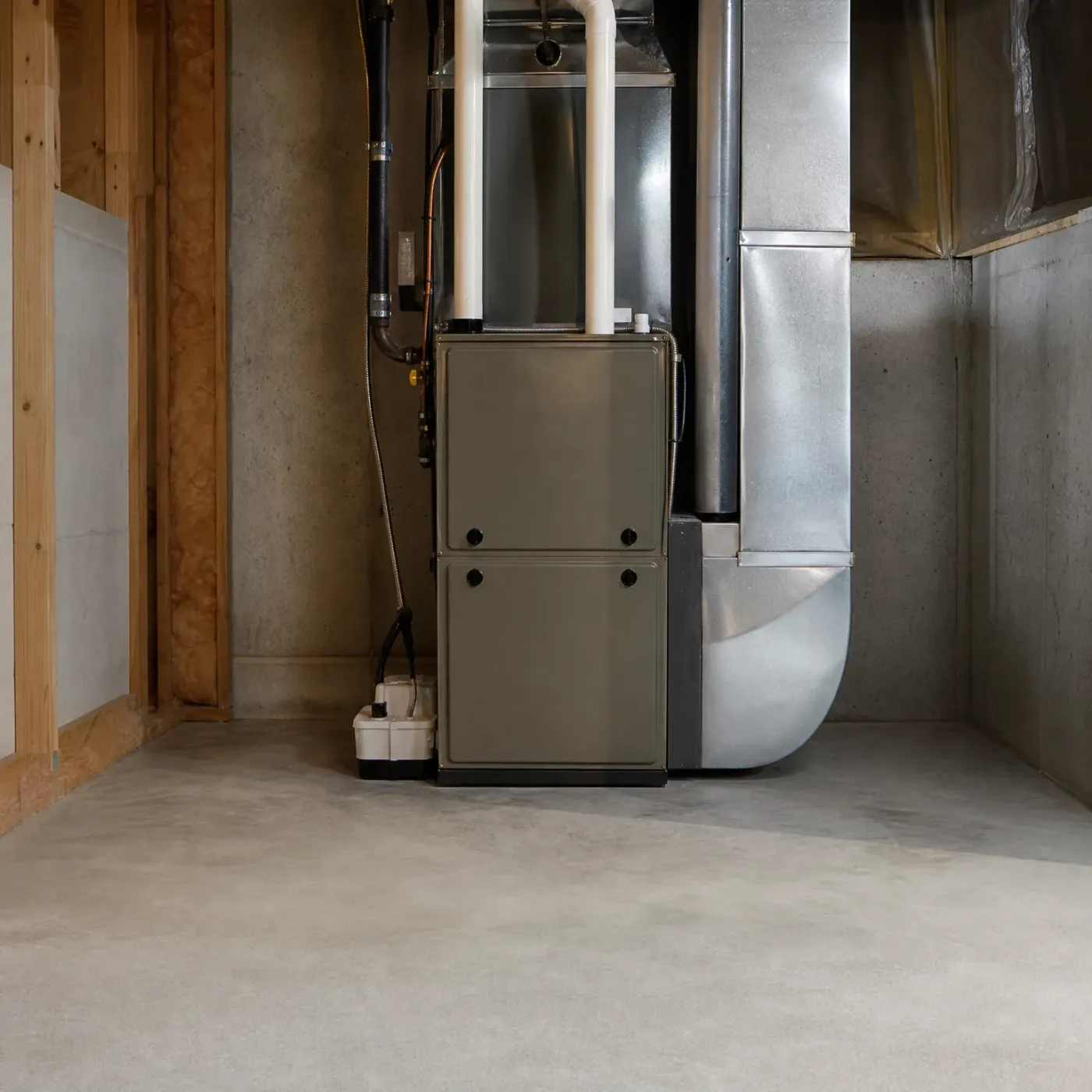
A gray high-efficiency furnace with white PVC vent pipes stands against a concrete basement wall beside sheet-metal ductwork, a small condensate pump on the floor, and exposed wood framing at left.

Short cool-down, then warm again

A high-efficiency furnace like this vents through white PVC pipe instead of a metal flue, and runs a condensate pump to drain the exhaust. If the blower kicks on before you feel heat, give it a minute. Once the burners catch, the air coming out of the ductwork should warm up fast.
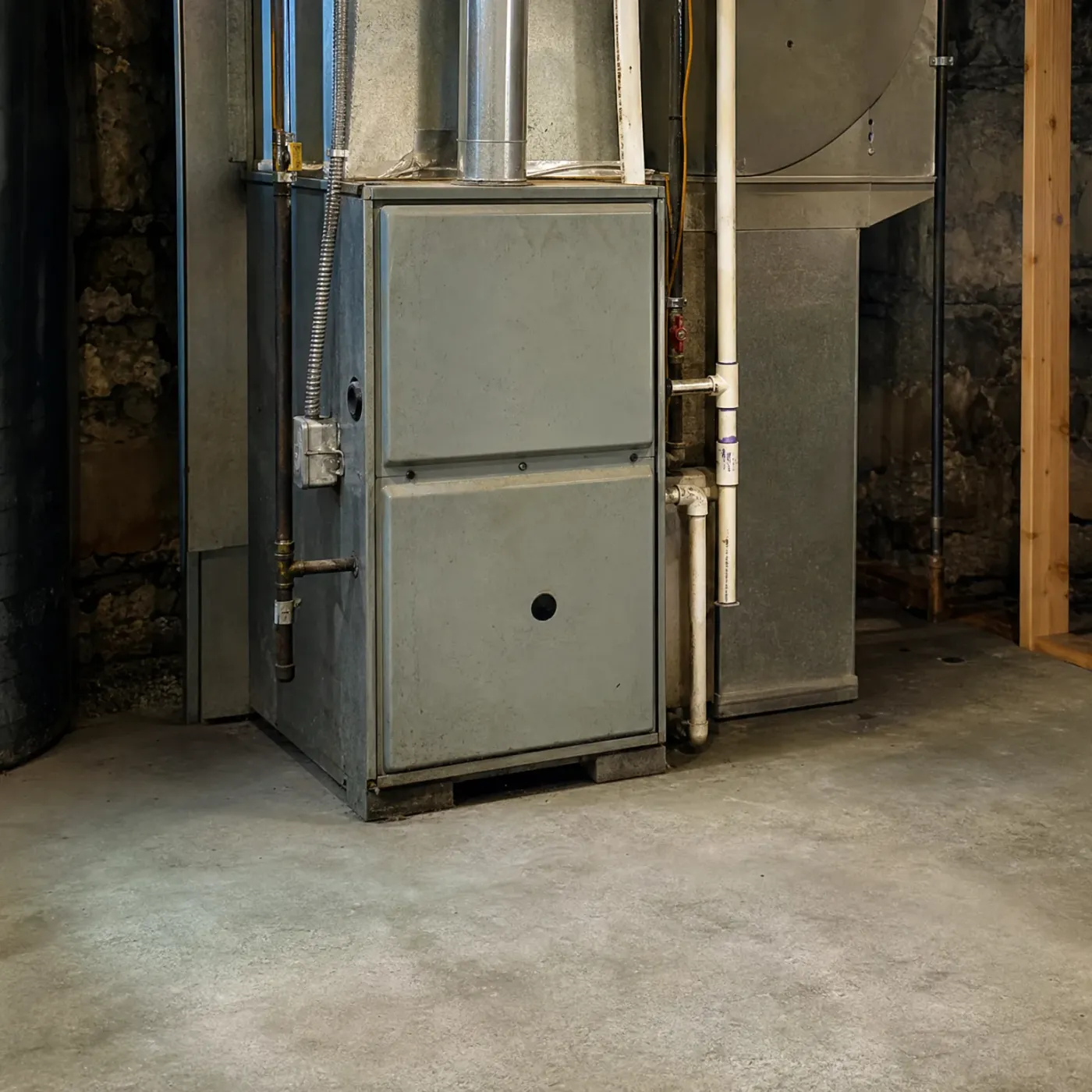

A gray sheet-metal furnace with flue pipe and adjacent ductwork stands against a stone basement wall on a concrete floor, with white PVC and metal pipes running nearby.

Air that stays cold

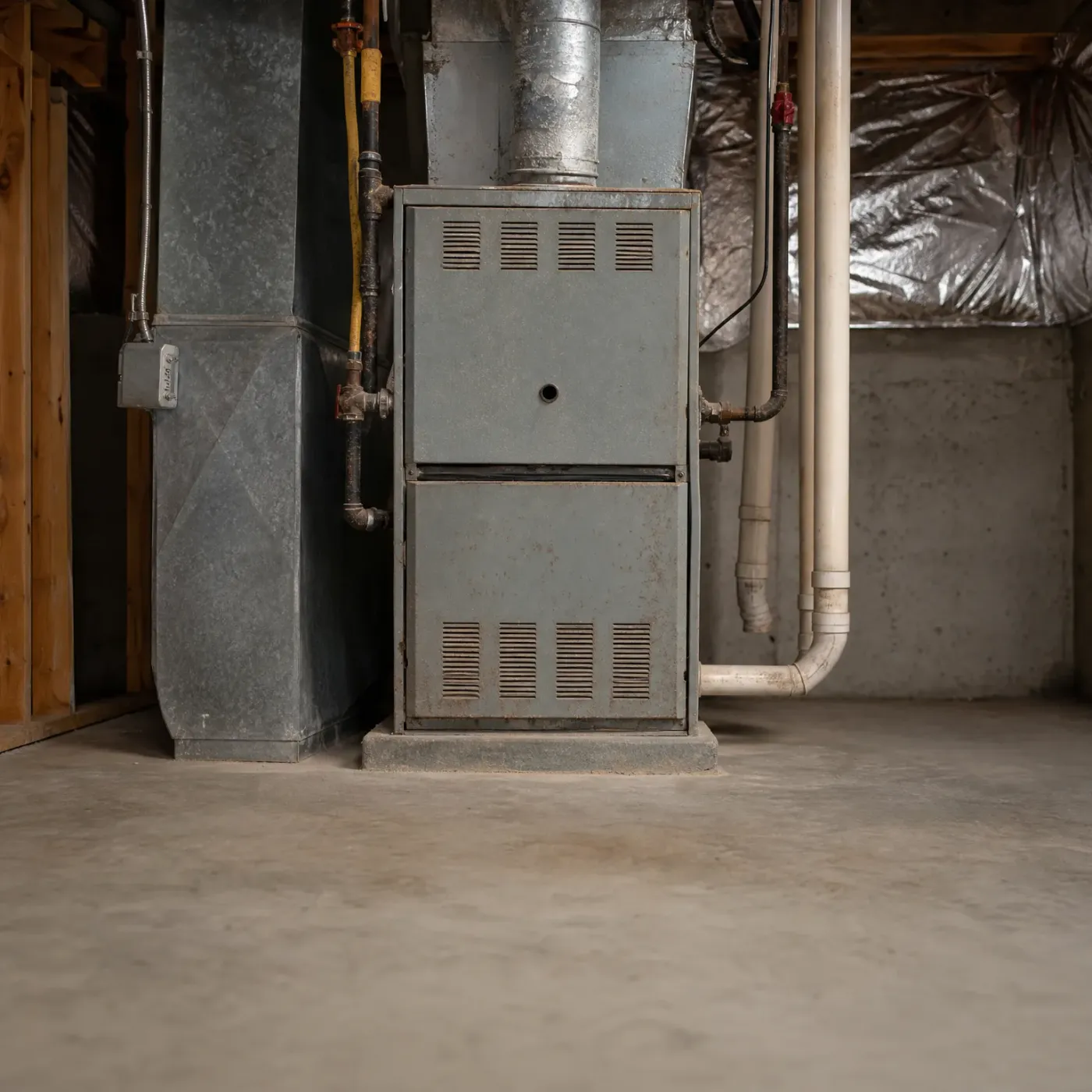
If the blower keeps running and the air never warms, something kept the burners from lighting or shut them off early. On an older unit like this, with gas lines and flex tubing feeding it in an unfinished basement, that's worth having a licensed furnace tech look at before you're down a heat source on a cold night.

Two reasons the burners aren't lighting

Ignition fails to light

  • The igniter glows to light the gas, and a weak one may not get hot enough on the first or second try.
  • If the furnace tries to start, air moves through the ducts for a few seconds before the system locks out, and that air hasn't been heated yet.
  • A furnace that locks out after repeated failed starts needs a service call before it will run at all, not just a reset.
  • Flame sensors coated with residue read the flame as absent and shut the gas off right after ignition, which can feel the same as cold air from the vents.

Burners won't fire at all

  • The blower can run on its own schedule even when the gas valve never opens, so air keeps moving through the house with nothing heating it.
  • A closed gas valve, a tripped limit switch, or a control board fault can all stop the burners while leaving the blower motor untouched.
  • With the furnace gas fed, a pilot or igniter problem means the blower is pushing room-temperature air through the vents for as long as the thermostat calls for heat.
  • On older standing pilot furnaces, a pilot that's gone out stops the burners from lighting even though the rest of the system still runs as normal.
A man with grey hair and stubble in a dark sweater sits on a grey sofa indoors, looking off to the side, with a potted plant and a sunlit window behind him.
A man with gray hair, a beard and glasses, wearing a dark green sweater, sits on a gray sofa in a sunlit living room with a potted plant, table lamp and wooden sideboard behind him.
A middle-aged man with graying hair and a short beard sits on a blue sofa in a living room, looking toward a window, with a bookshelf, lamp and framed picture in the background.
A man with graying curly hair and a dark green sweater sits on a gray sofa in a sunlit living room, looking off to the side, with a framed picture, shelving, an armchair and a window with sheer curtains behind him.
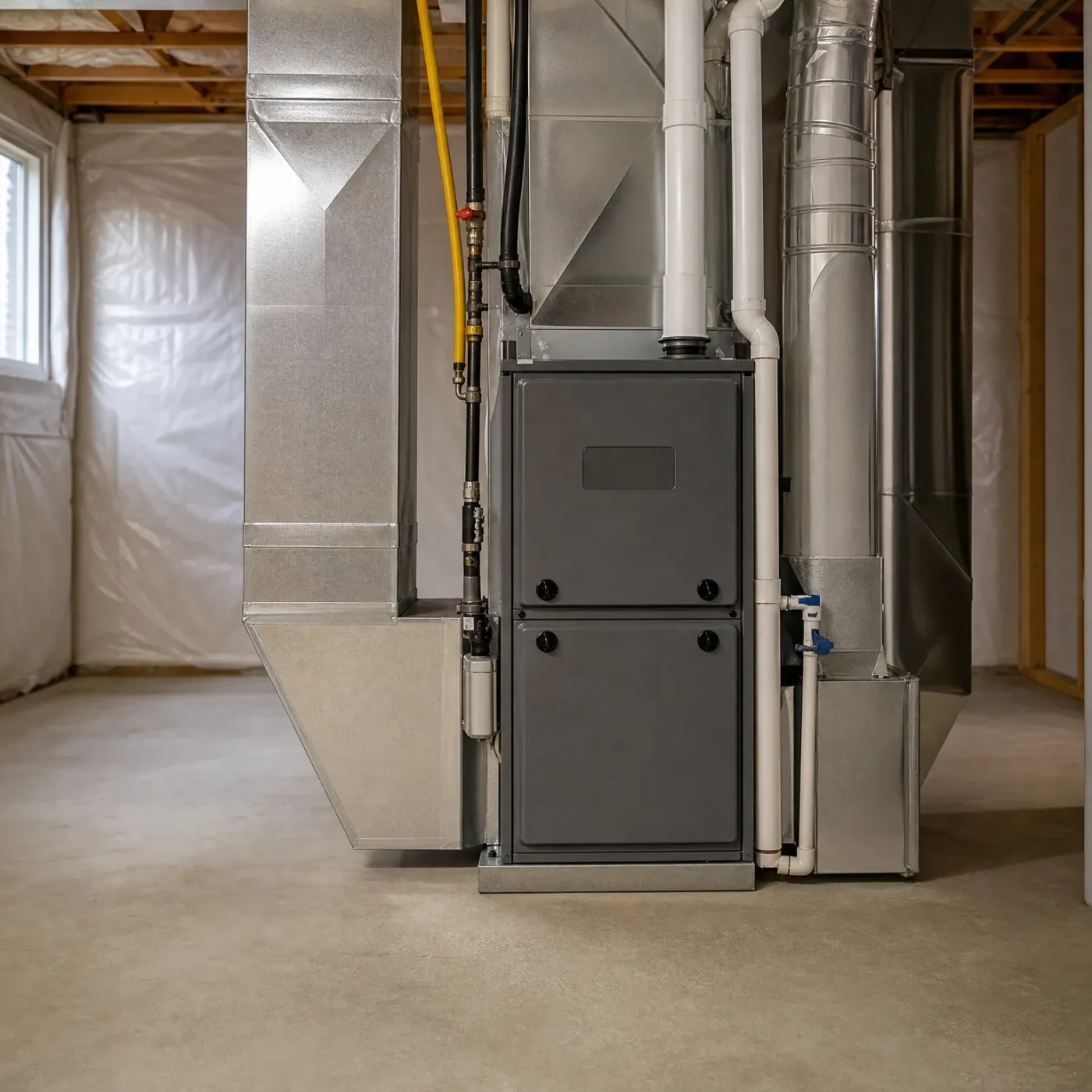
A gray gas furnace stands on a concrete basement floor, connected to sheet-metal ductwork, white PVC vent pipes, and a yellow gas line, with plastic sheeting covering the walls.
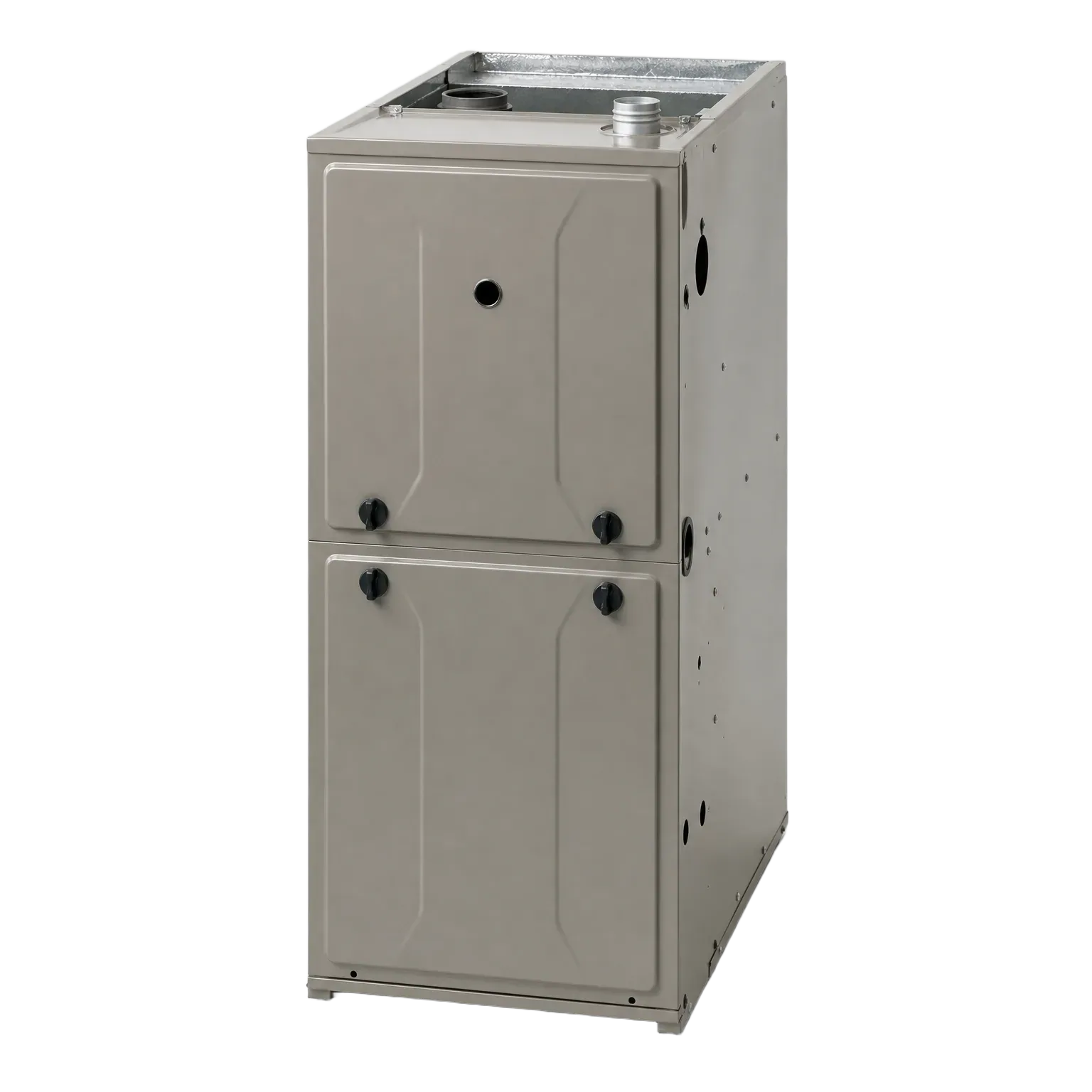
A newer high-efficiency furnace like this draws in fresh air and vents exhaust through PVC pipe, with a flame sensor and igniter that can still wear out.
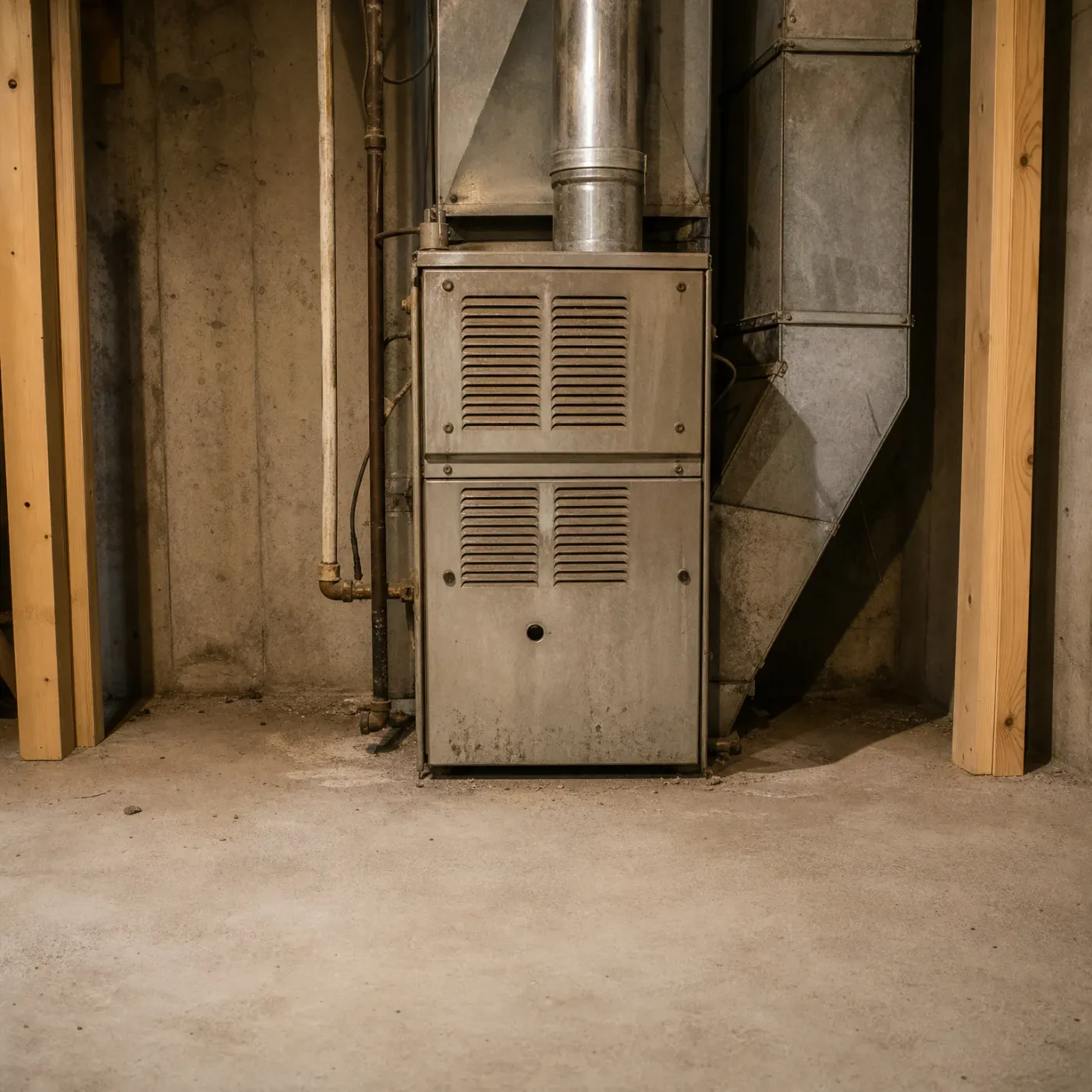
A metal furnace with louvered panels stands against a concrete basement wall, connected to sheet-metal ductwork and a round flue pipe, with wooden framing posts and a pipe nearby.
An older furnace like this has had more winters to foul an igniter, crack a heat exchanger, or clog with the dust built up around it.

What Stops the Heat Mid-Cycle

  • A thermostat set to "on" runs the blower nonstop, even between burner cycles when no flame is going.
  • Switching the fan setting to "auto" lets the blower run only when the burners are actually heating the air.
  • A clogged filter starves the burners of airflow, which can trip a limit switch that cuts gas but leaves the blower running.
  • A cracked heat exchanger can force a shutdown for safety, and the blower keeps pushing whatever air is left through the ducts.
  • Low gas pressure or a failed valve stops combustion entirely, so the blower only ever moves room-temperature air.
  • A flame sensor coated in residue reads no flame even when ignition starts, shutting the gas off seconds in.

Most of the time, cold air from the vents traces back to one of two places: the thermostat or the burners. Check the thermostat fan setting first, since it's the easiest to rule out. Set to "on," the blower never stops, so you feel room-temperature air blowing during the stretches when no flame is lit. Set to "auto," the blower only runs when the burners are actually firing, which is how the system is meant to work day to day.

If the fan setting isn't the issue, something is likely cutting the burners off early. A dirty filter chokes off airflow across the heat exchanger, and the furnace has a limit switch built to sense that and shut off gas before anything overheats. The blower doesn't know the burners stopped, so it keeps pushing air that was never heated. A cracked heat exchanger triggers the same kind of safety shutdown, for the same reason: the furnace would rather stop heating than keep running with a crack in a part that's supposed to contain combustion gases.

Other failures stop combustion before it starts. Low gas pressure or a failed gas valve means the burners never light, so there's no heat for the blower to distribute. A flame sensor caked in residue can't confirm a flame is present even when ignition happens, so the control board cuts gas within seconds. In every one of these cases, the blower itself is working fine. It's just moving air that never got heated.

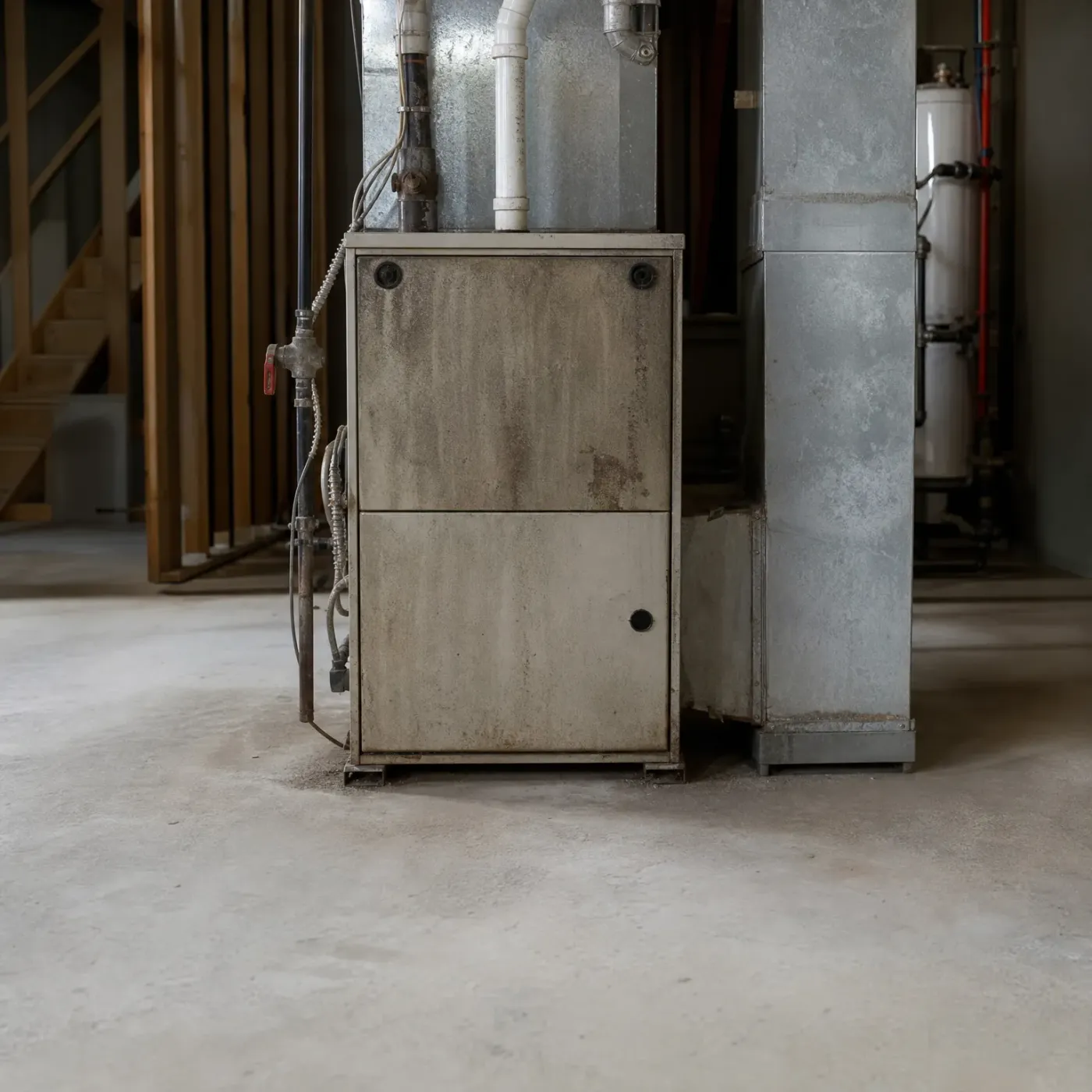
An older metal furnace with PVC and metal pipes stands on a concrete basement floor beside galvanized ductwork, with wooden stairs and a water tank in the background.
Before you get your furnace repair
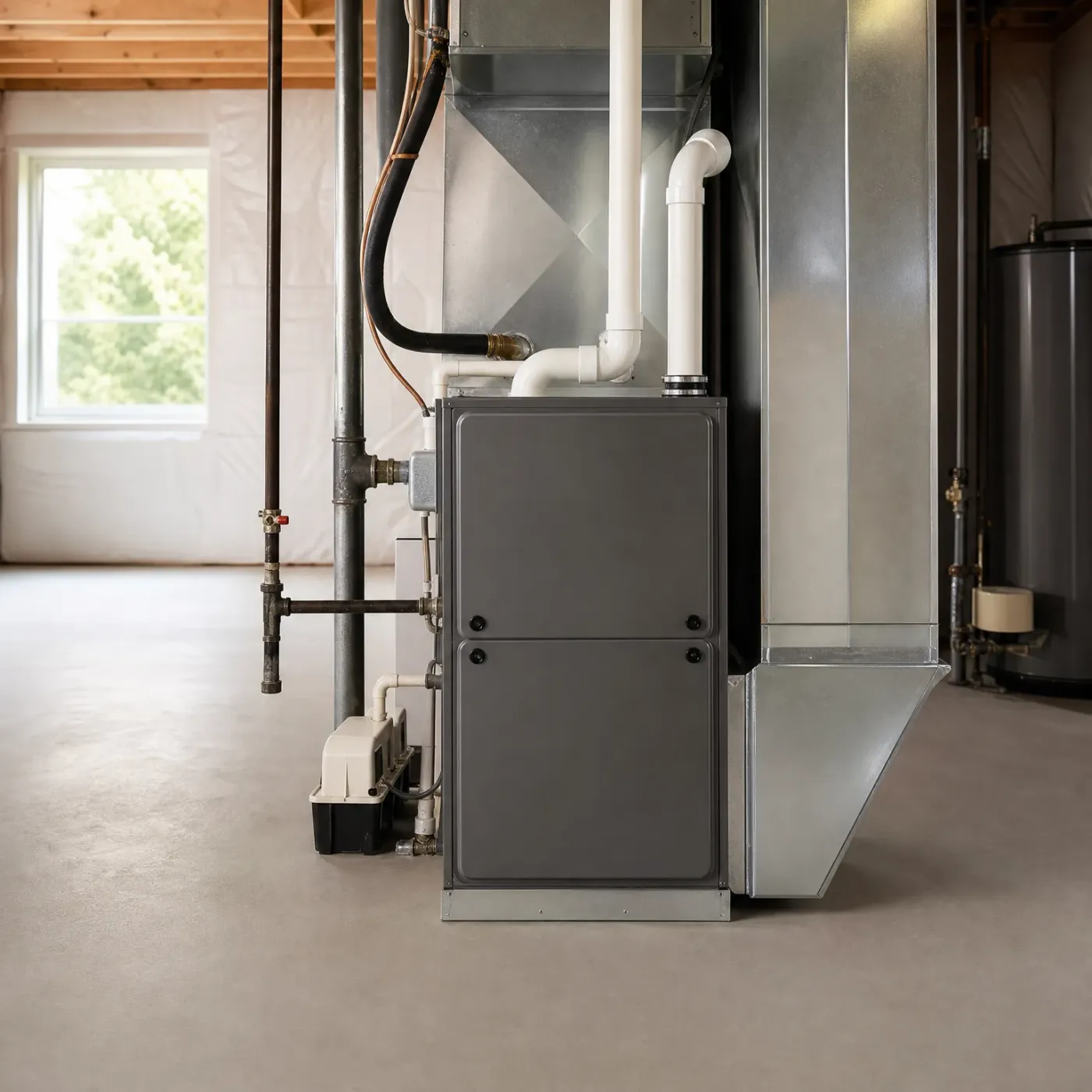
A gray high-efficiency furnace in a basement with sheet-metal ductwork, white PVC vent pipes, metal plumbing lines, a condensate pump on the floor, and a window showing green trees outside.
After you get your furnace repair

Get your furnace to the right pro

Your request stays with one local pro.

You're not committing to anything by asking.

What the limit switch does

Every gas furnace has a high limit switch that shuts the burners off if the air inside the cabinet gets too hot. This protects the heat exchanger from cracking. If a filter is clogged or a duct is blocked, the furnace can trip this switch over and over, running the blower on cool air while the burners stay off. The switch itself is rarely the problem. It's doing its job. What needs attention is whatever is restricting airflow enough to trip it in the first place, and that's worth having a contractor look at before the exchanger takes the damage instead.

Why the exhaust pipe matters

A furnace installed in the last fifteen years or so likely vents through white PVC pipe instead of a metal flue, and that pipe has to pitch correctly so condensation drains out rather than pooling. If it doesn't, water can back up into the inducer motor or block the pressure switch, and the furnace may run the blower without ever lighting the burners. This isn't something you can see from inside the house. A contractor can check the pitch and the condensate line in a single visit and tell you whether that's what's keeping your air cold.

A woman with shoulder-length brown hair wearing a beige knit cardigan sits in a gray upholstered armchair near a window, looking off to the side with a slight smile, with bookshelves blurred in the background.
A woman with her hair in a bun holds a sleeping young child against her chest, both wrapped in a textured beige knit blanket on a sofa in a dimly lit room with a lamp, framed picture, and bookshelf behind them.
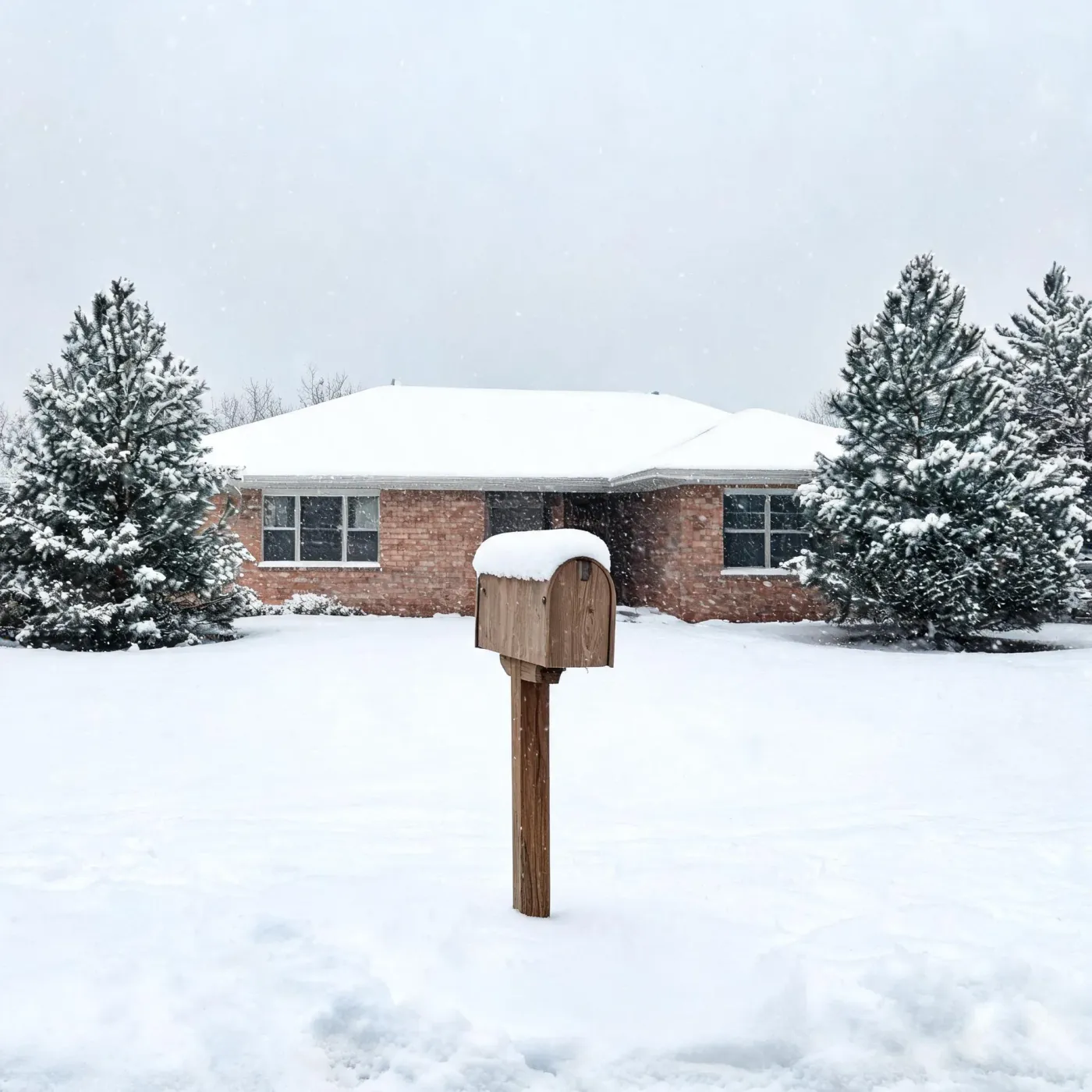
A snow-covered wooden mailbox on a post stands in a snowy yard in front of a single-story brick house flanked by snow-laden evergreen trees during falling snow.

Statewide, winter nights average 13°F, according to NOAA climate data. At that temperature a furnace is running long cycles just to hold the house steady, and the blower spends more of each hour pushing air than it does on a mild January day. That's more time for a weak igniter or a dirty flame sensor to show itself, because the burners are being asked to light and relight more often. If cold nights in the teens are when you first notice air that isn't warming up, that's not a coincidence. The furnace is working harder exactly when you need it working right, and a problem that was minor in October tends to show up now.

NOAA nClimDiv 1991-2020 county normals weighted by homes

Why does my furnace blow cold air right when it kicks on?

You stand by the vent and feel cold air the second the furnace starts up, before any warmth comes through. It happens every time the system kicks on, not just once, and in the middle of a Wisconsin winter that's unsettling enough to make you wonder if something's actually wrong or if this is just how the thing runs.

That first blast is the blower, not the burners

The blower motor turns on a few seconds before the burners light, to get air moving through the ducts. That air hasn't passed over a heated surface yet, so it feels cool coming out of the vent even though nothing has failed. Once the burners ignite and the heat exchanger warms up, the same air coming through that vent turns warm within a minute or so. If you're used to an older furnace, this delay can feel longer than it used to, since newer ignition systems take a moment to prove the flame before they let the blower run at full speed. The pattern repeats every cycle, all winter, and on its own it isn't a sign of a problem.

  1. The thermostat calls for heat and opens the gas valve

  2. The igniter heats up or sparks to light the burners

  3. The flame sensor confirms a flame is burning steadily

  4. The blower waits, then turns on once the heat exchanger is warm

Winter nights average 13°F statewide

At 13°F the furnace is lighting more often and staying on longer each time, so a stretch of cool air before the burners catch is more noticeable than it would be on a mild night. If that gap keeps growing, it's worth having someone look at the igniter or flame sensor.

NOAA nClimDiv 1991-2020 county normals weighted by homes

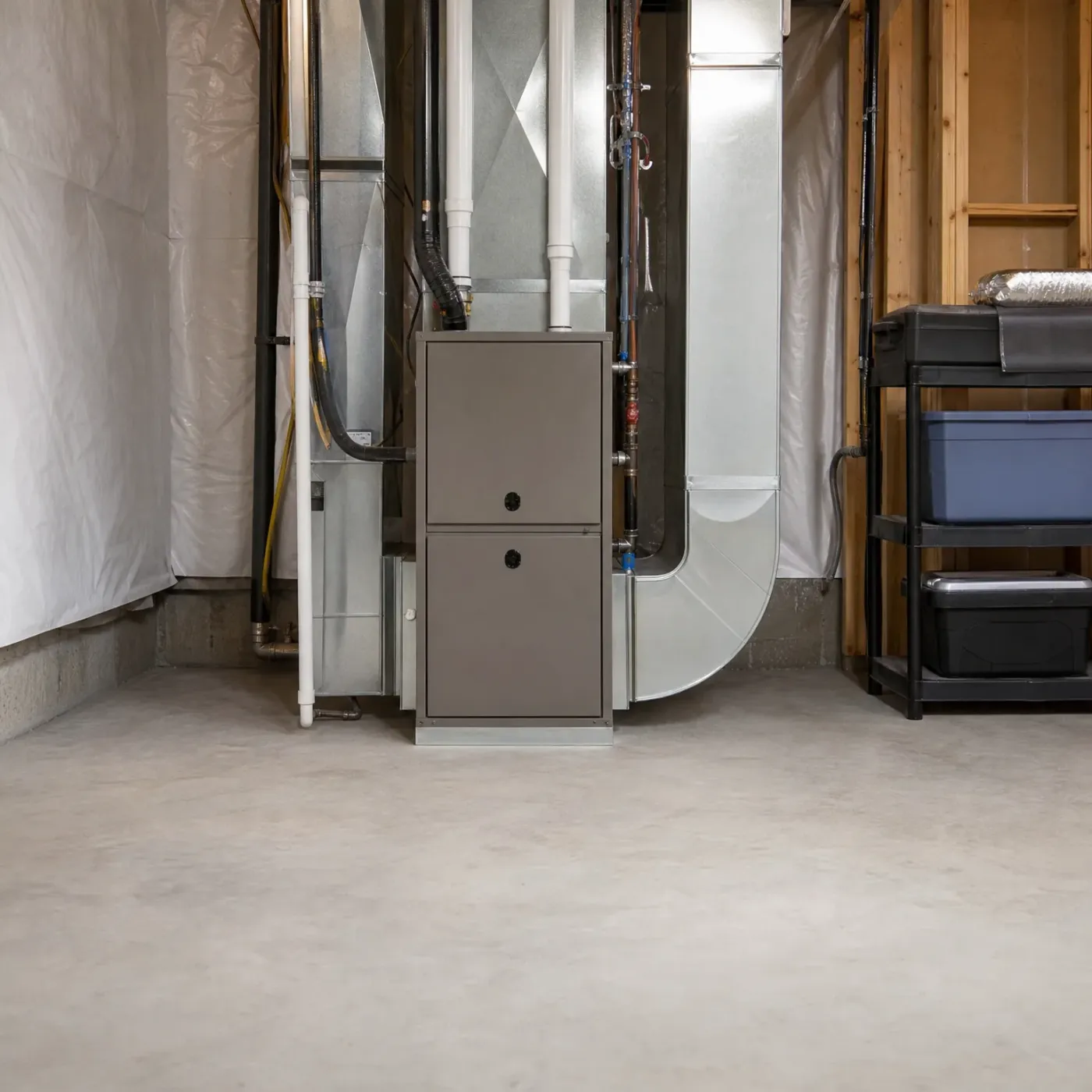
A basement utility area with a gray furnace, sheet-metal ductwork, pipes, plastic-covered walls, a concrete floor, and a black shelving unit holding storage bins.

Furnace running right

This is a two-stage furnace in good shape. The ductwork is tight, the PVC intake and exhaust run clean to outside, and the gas line and condensate drain all sit as they should. A furnace like this cycles on, warms the air, and shuts down without any surprises.

A gray metal furnace with louvered vent panels stands on a concrete basement floor beside galvanized ductwork, gas and plastic pipes, and foil-faced insulation along the ceiling and wall.

Furnace in trouble

Surface rust on the cabinet and some age on the unit don't always mean failure on their own, but they're worth a second look. An older furnace like this has had more winters to foul an igniter or crack a heat exchanger, and that's often what's behind air that won't warm up.

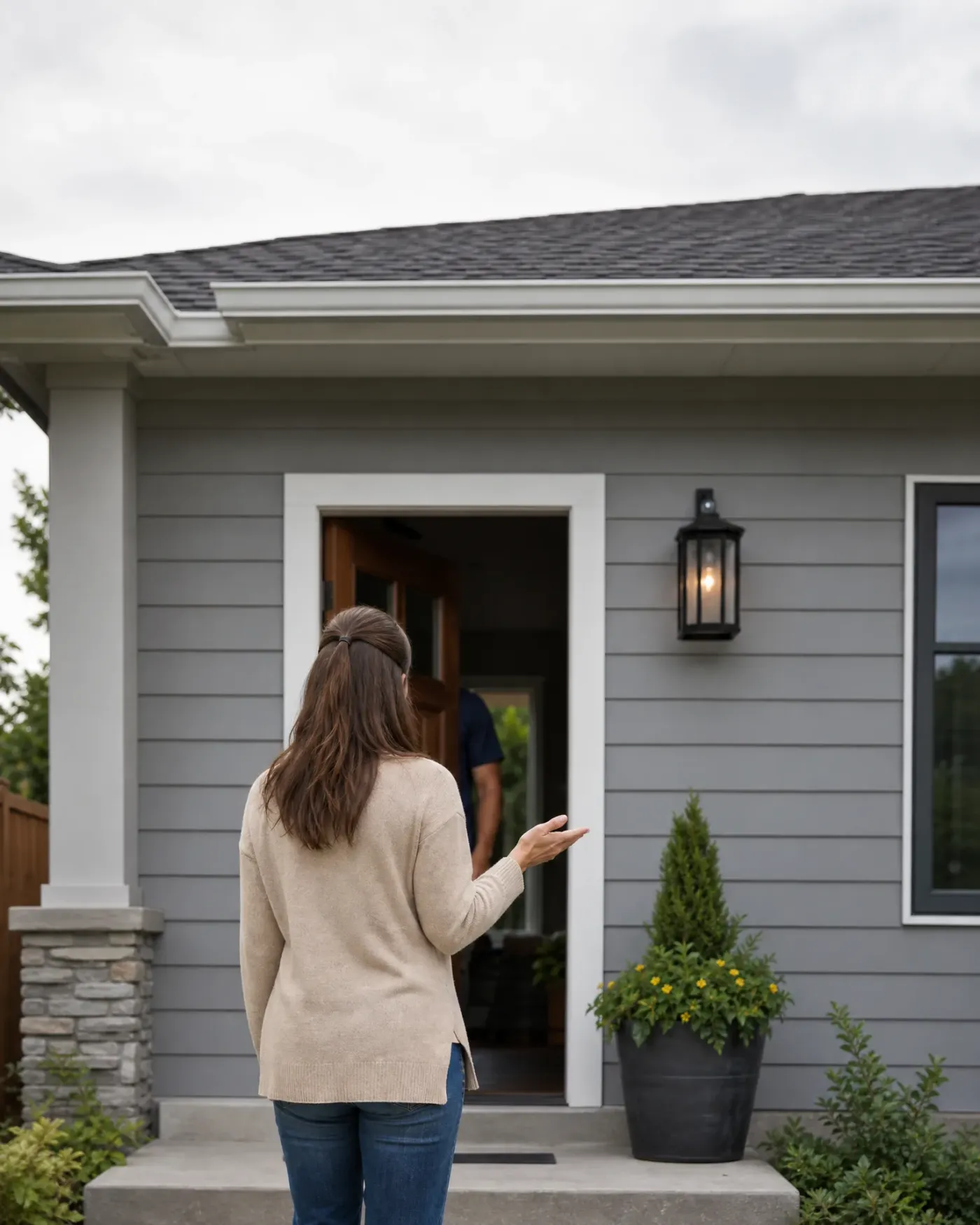
A woman in a cream cardigan and jeans stands with one hand raised facing an open front door of a gray horizontal-siding house, with a black lantern wall light, a potted shrub with yellow flowers, and a stone-faced porch column.

Cold air for a few seconds is normal. Cold air that stays isn't.

A furnace that blows cool air for the first minute of a cycle is just waiting on the heat exchanger to warm up. That's the blower doing its job. Cold air that doesn't turn warm, or short cycles that keep repeating, points to something specific: an igniter that's lost its spark, a flame sensor too coated to hold a flame, a filter choking off airflow, or a limit switch tripping because the cabinet's running hot. Each of those has a different fix, and guessing at it from the thermostat on the wall doesn't tell you which one you've got.

That's a job for someone who works on furnaces all winter in Wisconsin and knows which of those parts tends to go first. Once you request a repair, you're matched with a licensed local contractor who takes it from there, not a handful of companies competing for your call. They'll know what to check first and what a cold snap like the ones here does to a system that's already struggling.

A living room corner with a light beige sofa holding a textured taupe cushion, a large ceramic vase of olive branches by a window, a framed neutral artwork on the wall, and a dark bowl with stacked books in the foreground.
At dusk, a dark board-and-batten house with a standing-seam metal roof and lit entry walkway of stone pavers, with two large outdoor heat pump units on a stone-walled pad at right and trees and hills in the background.

Furnace Repair

The right pro for this job

Step 1 of 3: Equipment
  • A beige upholstered armchair with an olive cushion sits in a sunlit corner beside a wooden side table holding a ceramic vase with leafy branches, under a framed abstract artwork, on a woven rug over a wood floor.
    • A local pro who knows furnaces gets your details and gets in touch.
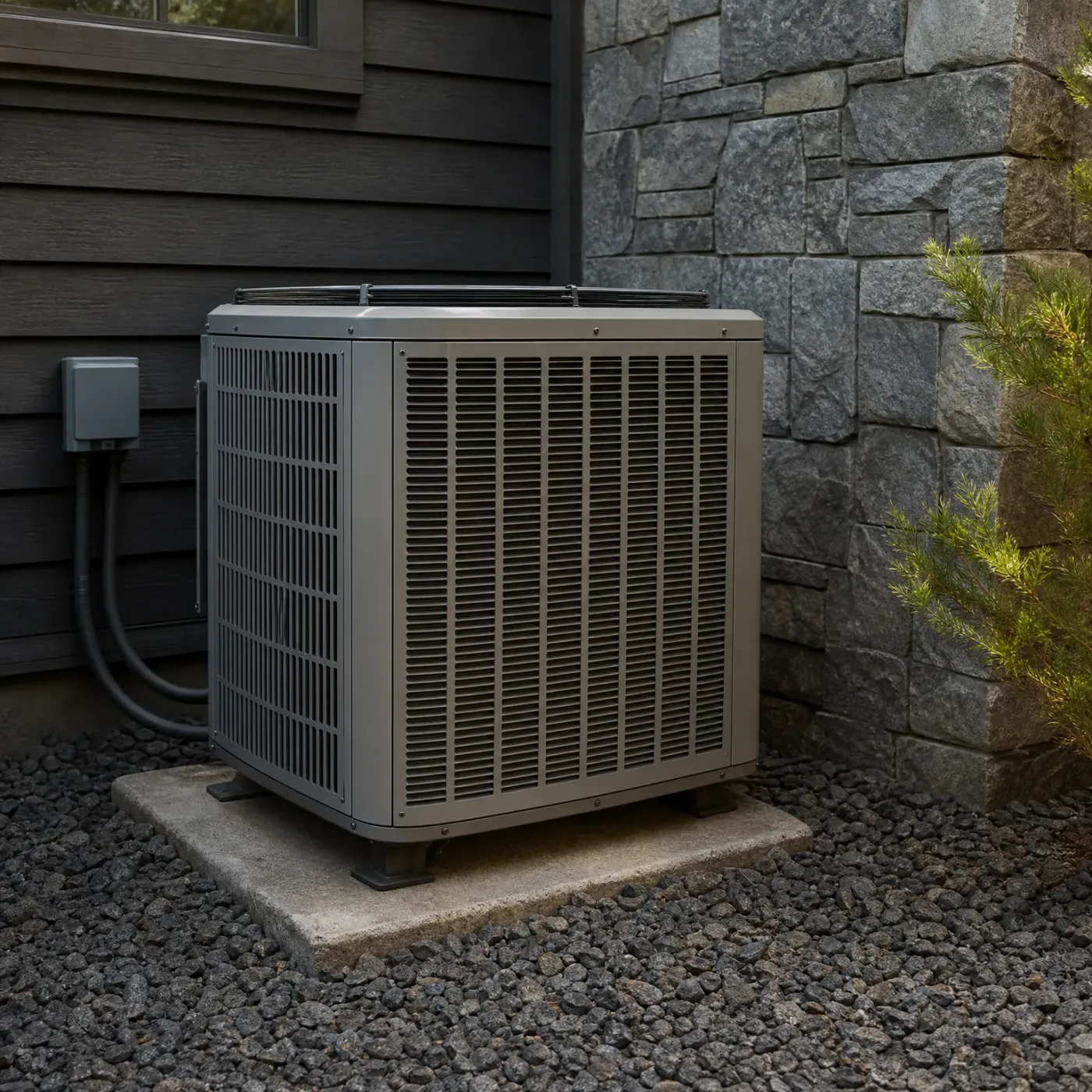
  • A gray outdoor condenser unit on a concrete pad surrounded by dark gravel, beside a dark wood-sided wall with an electrical disconnect box and a stone veneer wall with a small evergreen shrub.
    • One request and the search for a pro is handled.
    • Send it once and finding someone is no longer on you.
  • A beige upholstered oversized armchair with a matching cushion and a knit throw draped over one arm, beside a round wooden side table holding a vase of greenery near a curtained window, with a framed landscape print on the wall and a woven rug on a wood floor.
    • Describe what your furnace is doing once, in one form.
    • Answer a few questions instead of calling shop after shop.
  • Sunlit living room corner with a beige upholstered sofa, cushion and knitted throw, a round wooden side table holding a white ceramic vase of leafy branches and a small wooden bowl, a framed landscape painting on the wall, and a window at right.
    • The pro who reaches out is licensed in Wisconsin.
    • Only one pro gets your request, so you hear from one company.