

Northwoods Furnace

Why your furnace won't shut off in Wisconsin

Step 1 of 3: Equipment

Why won't my furnace shut off in Wisconsin?

A furnace that keeps running past when the house feels warm enough usually means something isn't telling it to stop, or something is making it think it still needs to run. In a Wisconsin winter, that's not something to wait out, since a furnace that won't cycle off is working harder than it should and running up a power bill that's already steep here.

Most often the thermostat or the limit switch is stuck

A furnace stops heating when the thermostat tells it the house has reached temperature, or when the limit switch inside the furnace senses the air is hot enough and cuts the burner. If the thermostat has a wiring fault or a worn relay, it can keep calling for heat even after the house is warm. If the limit switch has failed, the furnace may keep running because nothing is telling it the air coming out is already hot enough. A dirty flame sensor or a failing blower motor can cause the same thing, since the furnace won't get the signal it needs to cycle off. With gas furnaces common across Wisconsin homes and electric rates high, a furnace stuck running costs more every day it goes unfixed.

A gray-haired man in a dark long-sleeve shirt sits on a gray sofa in a living room, looking toward a sunlit window with sheer curtains.
A gray-haired man in a dark green sweatshirt sits on a sofa in a living room, looking toward a bright window, with a houseplant, lamp, fireplace and framed art behind him.
A gray-haired bearded man in a dark green collared sweater sits on a sofa in a living room with a window, houseplant, floor lamp and bookshelves, looking off to the side.
A gray-haired man in a dark green sweater sits on a sofa in a sunlit living room, looking off to the side, with a framed landscape painting, dining table and shelving behind him.

The thermostat is giving bad information

A furnace runs off a signal from the thermostat. If that signal stays on, the furnace has no reason to stop, even after your house is warm. A thermostat with a loose wire, a failing sensor, or one mounted somewhere that doesn't reflect the rest of the house can hold that call for heat open long after the rooms around it are comfortable. Some older thermostats also drift out of calibration over time and read the room wrong by several degrees. None of this is something you can see from across the room, which is why a contractor checks the thermostat before touching anything in the furnace itself.
The limit switch is stuck or failing

Every gas furnace has a limit switch that watches the temperature inside the cabinet and shuts the burners off if it climbs too high. When that switch fails, it can stop reading the heat correctly and never send the signal to cut the burners. A furnace stuck this way can run for hours past when it should have stopped, burning gas the whole time. Restricted airflow from a dirty filter or blocked vents makes the cabinet run hotter than it should, which puts more strain on that switch and makes a failure like this more likely in a Wisconsin winter.

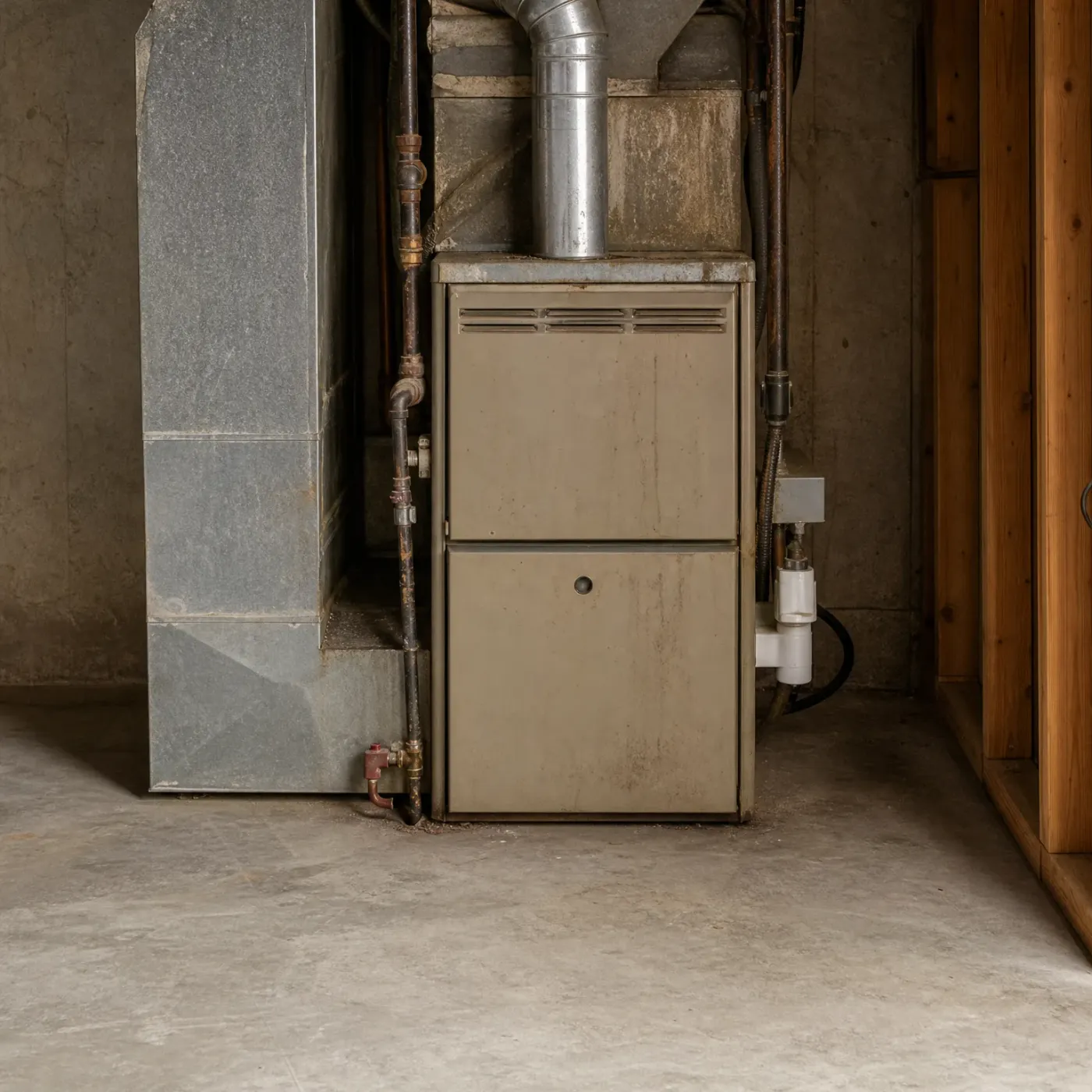
A beige residential furnace stands on a concrete basement floor beside galvanized sheet-metal ductwork, a round flue pipe, copper gas piping, and a PVC condensate line, with a wood-paneled wall at right.
Before you get your furnace repair
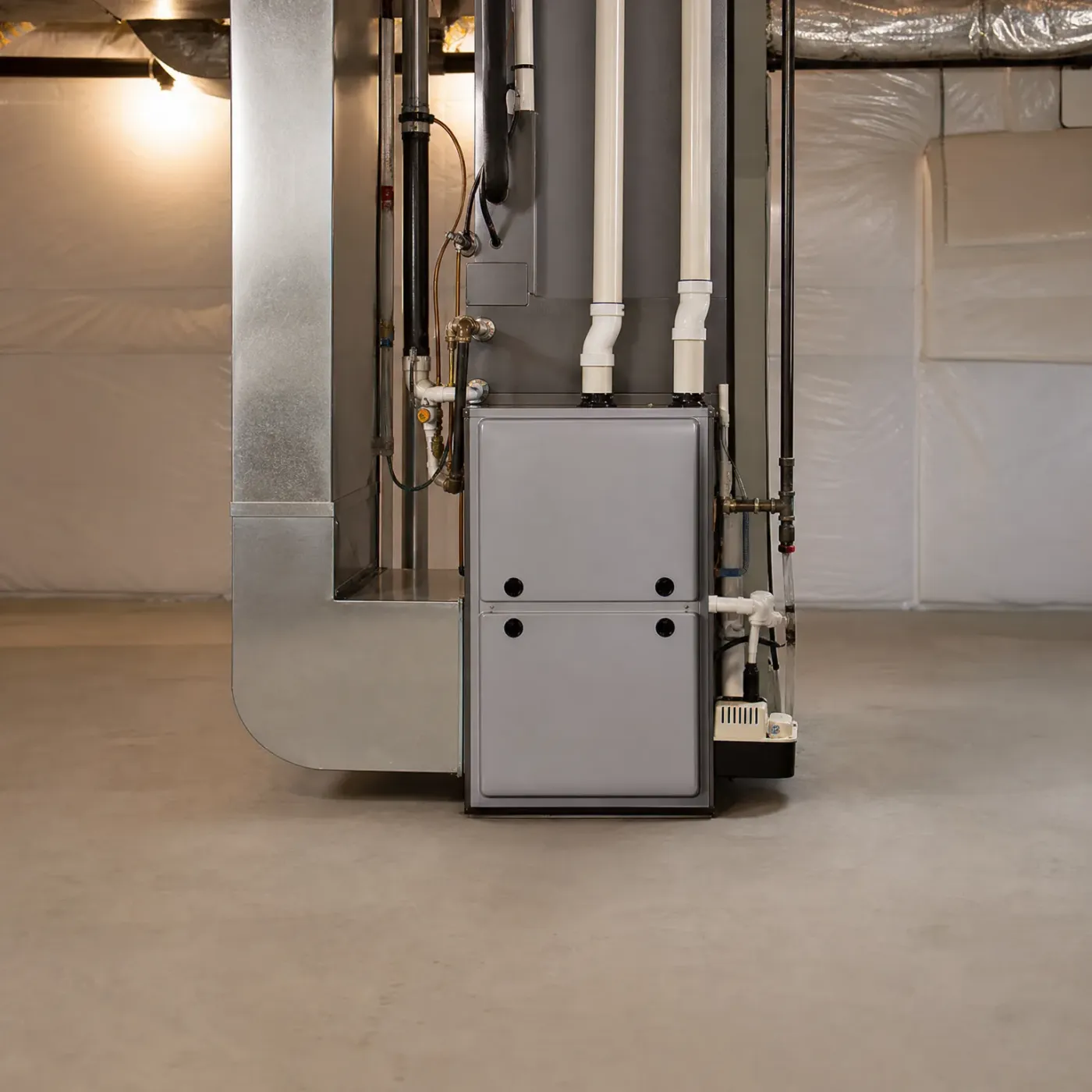
A gray high-efficiency furnace in a basement with white PVC vent pipes, sheet-metal ductwork, copper and black piping, a condensate pump, and insulated walls above a concrete floor.
After you get your furnace repair

What Keeps The Burners Running

  • A limit switch tells the furnace when the heat exchanger is too hot and should shut the burners off.
  • If the blower can't move enough air, the heat exchanger overheats and the limit switch can force the furnace to keep running or short cycle.
  • A dirty flame sensor can also fail to signal the gas valve to close properly after the burners light.
  • Stuck relays inside the control board sometimes keep sending power to the gas valve even after the thermostat is satisfied.
  • A cracked heat exchanger can trip the limit switch repeatedly, which looks like the furnace won't stop.

The limit switch is the part doing the deciding. It sits near the heat exchanger and watches the temperature there. When that temperature climbs past what's safe, the limit switch is supposed to cut power to the gas valve and shut the burners off, whether or not the thermostat is satisfied. Most of the time that works fine. The trouble starts when the blower motor can't push enough air across the heat exchanger. Heat builds up faster than it can leave, the limit switch sees a high reading, and instead of a clean shutoff you get the furnace cycling on and off or refusing to stop at all. A weak blower, a clogged filter, or blocked ductwork can all cause that same airflow problem.

The flame sensor plays a different role but causes a similar symptom. It confirms the burners are lit, and after that it has to signal the gas valve correctly as the cycle ends. A sensor coated in soot or corrosion can send a weak or inconsistent signal, and the valve doesn't get a clean close command.

Inside the control board, relays are what physically switch power to the gas valve on and off. A stuck relay can keep sending power even after the thermostat stops calling for heat, which looks exactly like a furnace that won't quit.

A cracked heat exchanger adds a safety problem to all of this, since it can trip the limit switch again and again without ever being the actual fix.

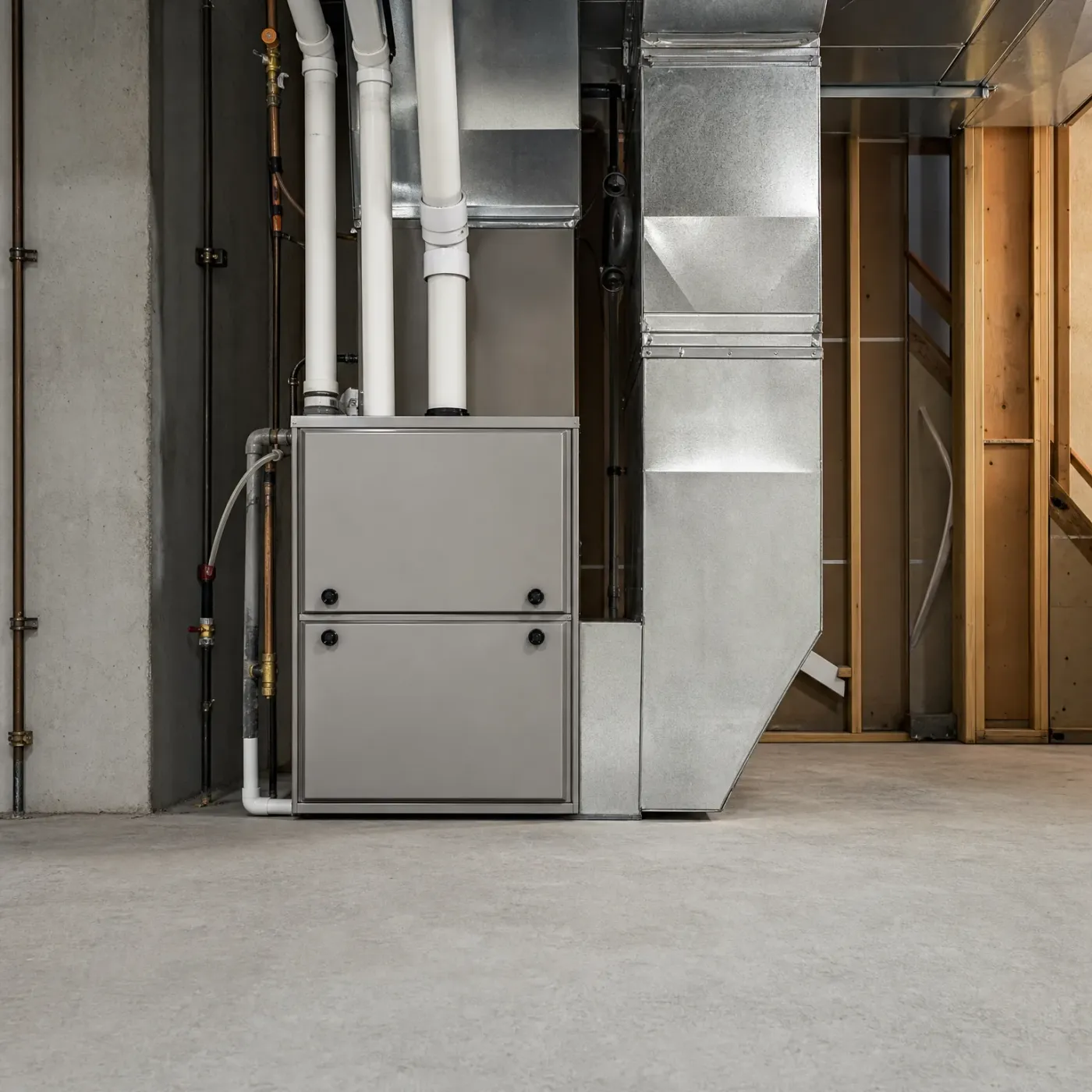
A gray high-efficiency furnace stands on a concrete basement floor beside galvanized sheet-metal ductwork, white PVC vent pipes, copper and black piping, and unfinished wood stud framing.
A furnace cycling normally shuts its burners off once the house hits the set temperature, then starts again when it drops.
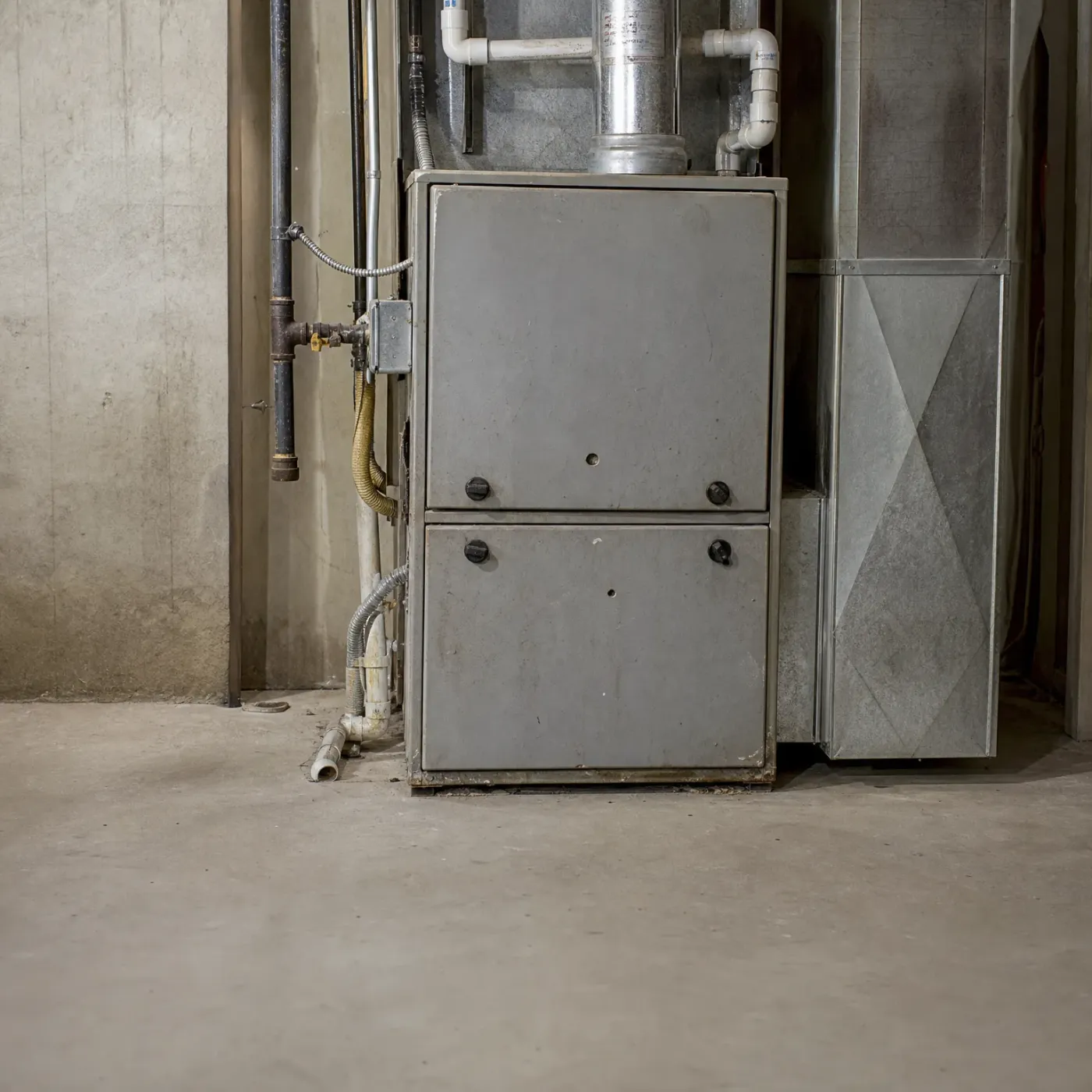
A gray furnace with two access panels stands on a concrete basement floor beside sheet-metal ductwork, with pipes, flexible conduit and an electrical box on the concrete wall to the left.
A furnace that won't stop running is pushing heat the thermostat already told it to stop sending, and the parts behind that signal need a look.
  1. Thermostat keeps sending the call for heat to the furnace

  2. Gas valve and burners stay open because the signal never stops

  3. Blower motor keeps pushing air through the ducts the whole time

  4. Limit switch checks the heat exchanger temperature as it runs

A woman with shoulder-length dark brown hair in a cream knit cardigan sits in an upholstered armchair beside a window, looking off to the side, with a white bookshelf and potted plant blurred behind her.
A woman with dark hair in a bun sits wrapped in a chunky knit blanket on a couch with a child resting his head on her shoulder, eyes closed, beside a lit lamp and bookshelf indoors.

A furnace that won't shut off

Your gas valve stays open and the blower keeps pushing air long after the house is warm, running up your gas and electric bill with every hour that passes.

Find a licensed pro

After the repair

The furnace shuts its burners off once your house hits the temperature you set, same as it should, instead of running straight through a Wisconsin night.

Find a licensed pro

Winter nights average 13°F statewide

Overnight lows average 13°F across December, January and February here. At that temperature your thermostat is calling for heat almost nonstop, so a furnace that won't shut off isn't resting between calls. It's running on top of a system already working hard.

NOAA nClimDiv 1991-2020 county normals weighted by homes

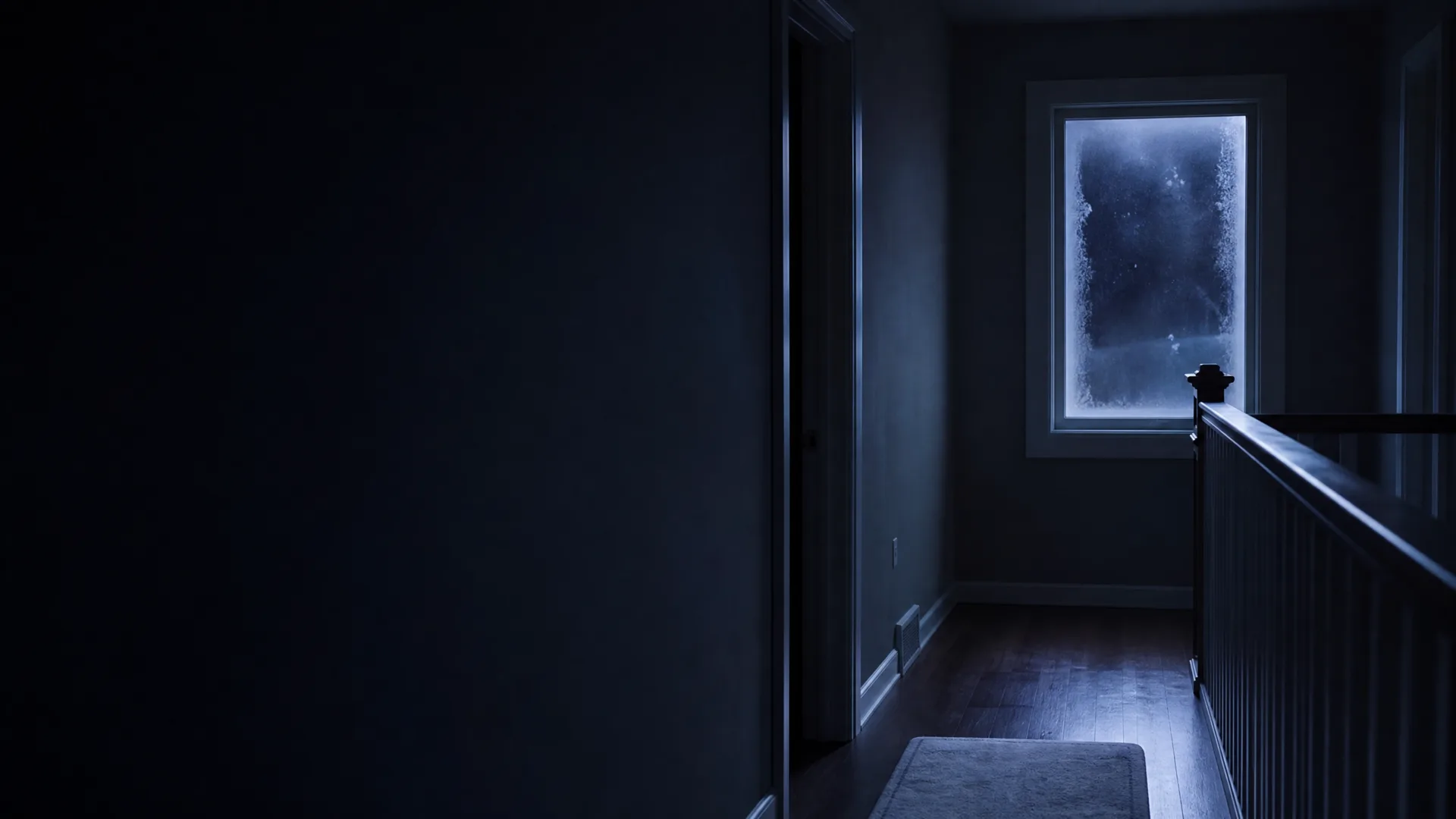
A dark interior hallway with a dim window at the end, a wooden floor, a stair railing on the right, and a bench or rug in the foreground.

You wake up without knowing why. The clock reads 2 a.m. The house is quiet in the way it shouldn't be when it's this cold out, no click of the burners stopping, no pause. You walk the hallway and the vents are still blowing, warm air pushing out steady where it should have cut off an hour ago. Frost has crept up the edges of the window glass. Somewhere below you the furnace is still going, same as it's been going all night, like it never got the message your house is warm enough. You stand there in the cold blue light, listening to a furnace that doesn't know how to stop.

Skip the calls to every shop

A furnace that won't shut off isn't a problem you want to sit with while you figure out who to call. You'd be ringing around Wisconsin in the cold, explaining the same thing to three or four companies, waiting on callbacks, trying to line up quotes from people you've never worked with before. Submitting this request skips that. It goes to one licensed contractor local to you, someone who works on furnaces all winter and has seen what a limit switch or a bad thermostat sensor looks like when it's doing this. You get one call back, not five, and you're not stuck re-explaining your gas valve or your blower motor to a new voice each time. With your gas and electric meter running the whole time this keeps happening, getting it in front of someone who knows the equipment is worth doing now, not after another night of the furnace running straight through.

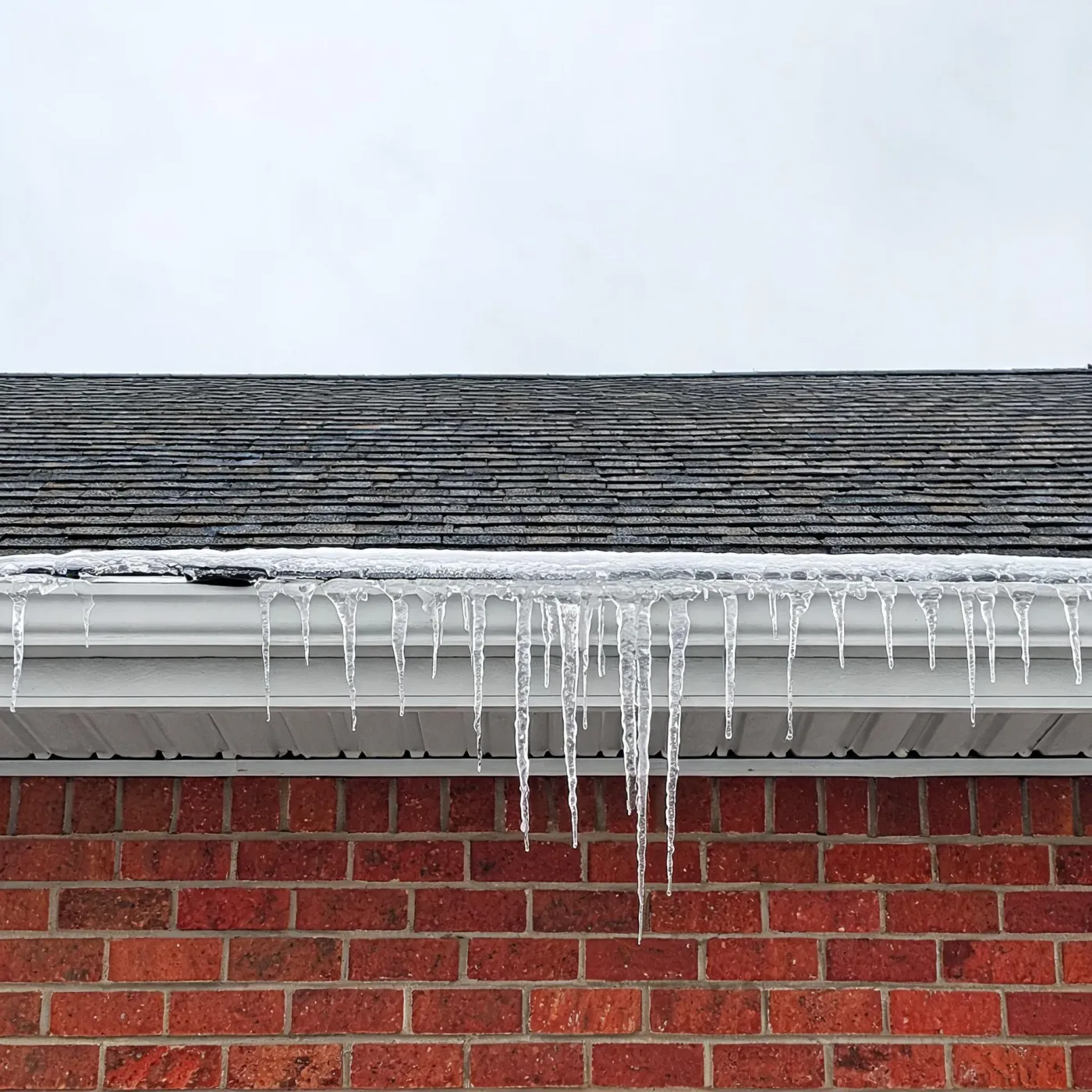
Icicles hang from a white gutter and fascia below an asphalt shingle roof above a red brick wall, under an overcast white sky.

Winter nights average 13°F across Wisconsin, according to NOAA climate data. At that temperature the furnace is the only thing standing between your house and the cold outside, so it leans on every part doing its job right. A gas valve or blower that won't get the signal to stop has nothing slowing it down out here. The burners stay lit, the blower keeps pushing air, and the furnace runs straight through the night instead of cycling off once the house warms up. You'd likely notice it first as a furnace that never seems to rest, and a gas and electric bill that climbs faster than the cold outside explains.

NOAA nClimDiv 1991-2020 county normals weighted by homes

Call It In or Let It Run

Call for repair now

  • A furnace that won't shut off keeps the gas valve open and the blower running long after the house is warm, and that shows up on your gas and electric bill every day it continues.
  • The limit switch is working harder than it should to keep the heat exchanger from overheating, and a switch that fails under that strain can shut the furnace down entirely.
  • A contractor local to Wisconsin who services this equipment every winter can usually tell from the thermostat, the limit switch or the blower which one is sending the bad signal.
  • Waiting through more cold nights doesn't fix a stuck gas valve or a bad thermostat sensor, it just means more hours of the furnace running when it shouldn't.
  • One contractor means one visit and one diagnosis, instead of explaining the same problem to several companies while the furnace keeps running.

Wait and watch it

  • The furnace keeps running past every call for heat, so the house may end up warmer than the thermostat is set to, not just on time.
  • Overnight lows near 13°F mean the thermostat is already calling for heat often, so a furnace that won't stop is running on top of a system with little rest between cycles.
  • A blower that never stops pushing air through the ducts puts more hours on that motor than a furnace cycling normally would.
  • Without a diagnosis, you won't know if it's the thermostat, the limit switch or the gas valve keeping the burners open, so the cost of running it this way is unknown.
  • The heat exchanger stays under more strain the longer the limit switch has to keep intervening, and that's the part behind every other repair getting more expensive.
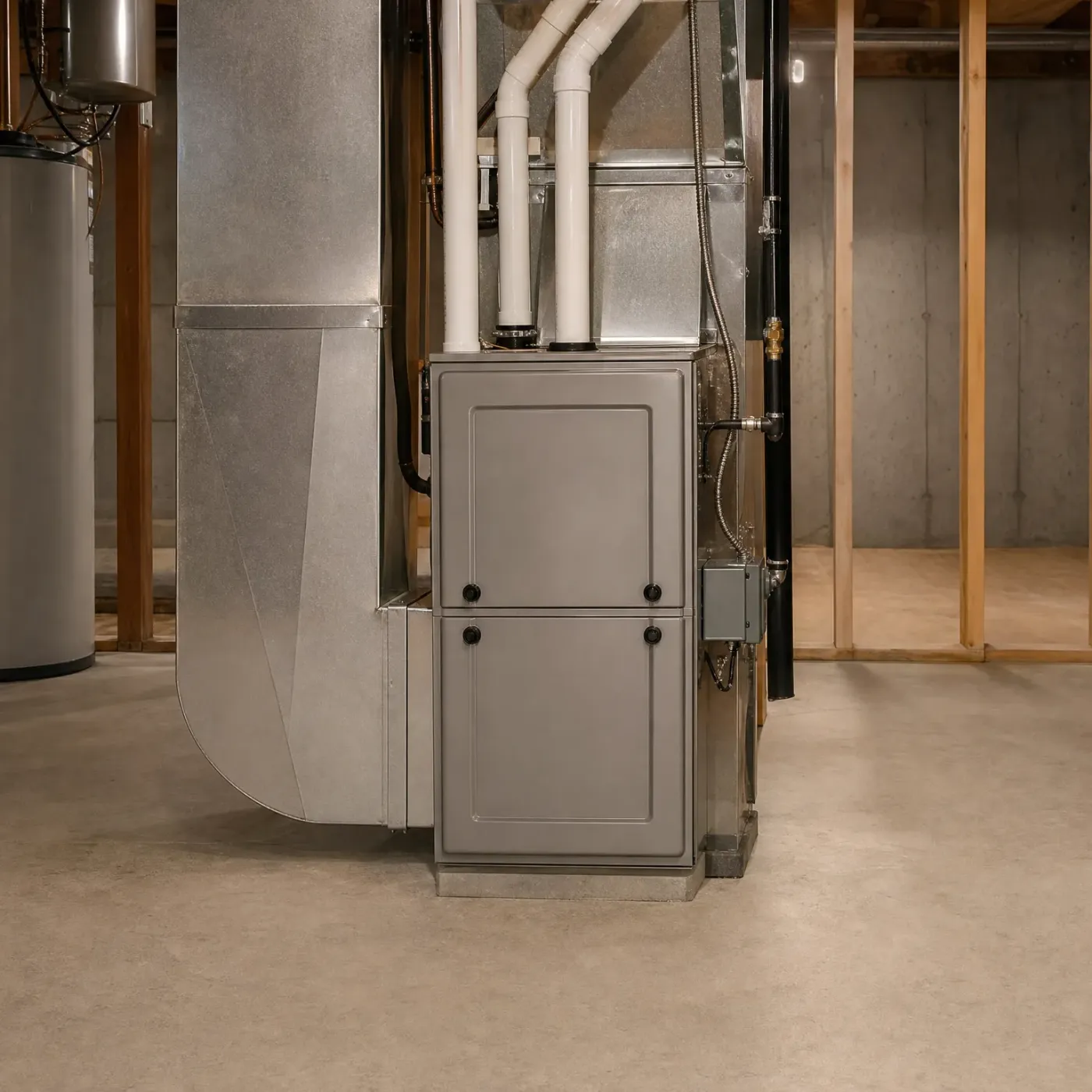
A gray high-efficiency furnace with white PVC vent pipes stands beside sheet-metal ductwork and a water heater in an unfinished basement with concrete walls and wood framing.

Burners cycle off on their own

This is a furnace working the way it should. The burners fire, the blower pushes warm air through the ducts, and once the house hits temperature the gas valve closes and everything shuts down until the thermostat calls again.

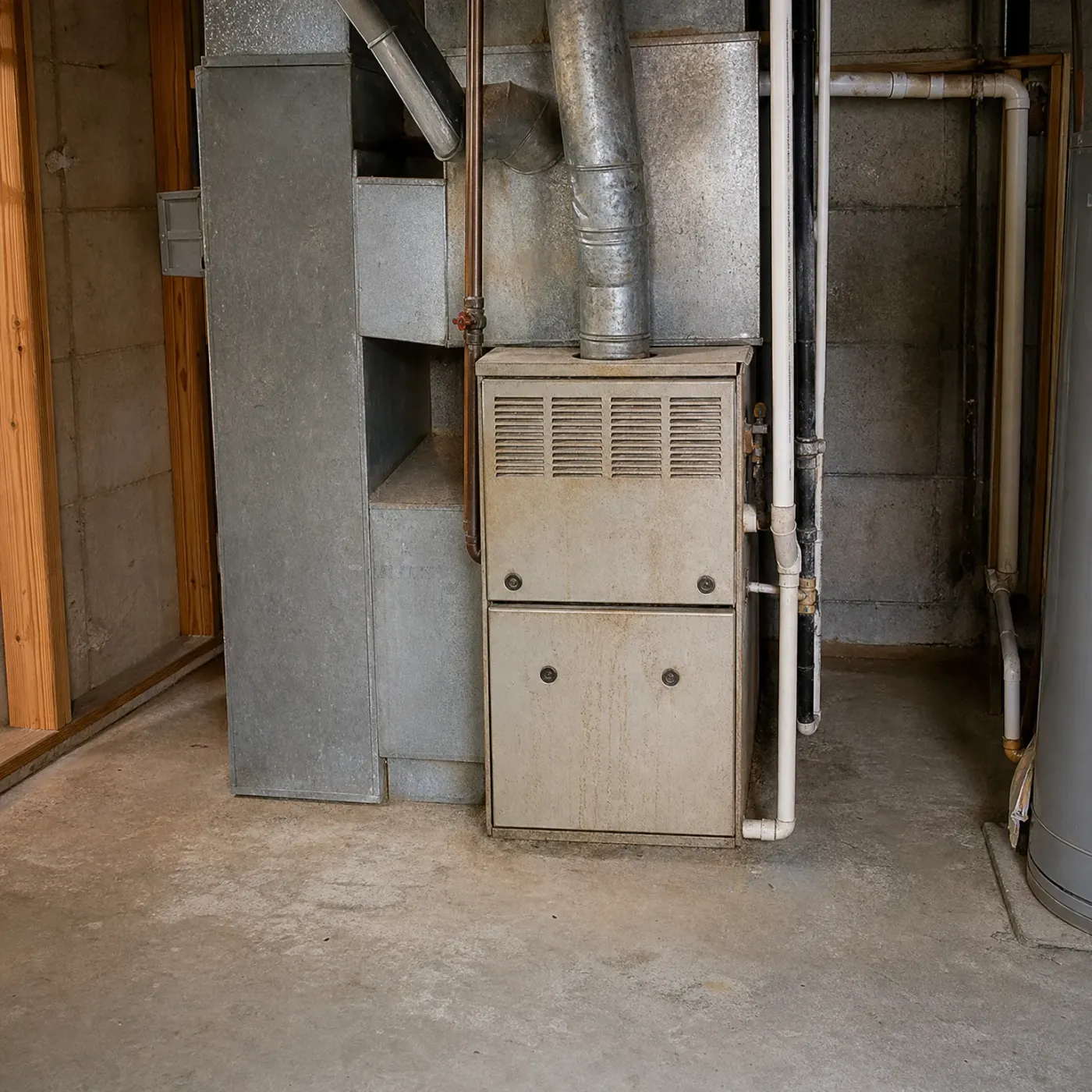
A beige gas furnace with a metal flue pipe stands in a basement against concrete block walls, beside sheet-metal ductwork, copper and white plastic pipes, and a water heater at right.

Burners keep firing past the set temperature

This furnace is still running well after it should have stopped. The blower never lets up, the ductwork above it keeps moving air nobody asked for, and the limit switch is left checking a heat exchanger that's staying hotter than it needs to.

A furnace that won't shut off is telling you one of a few parts isn't doing its job, and the fix is finding which one. That's not a guess you want to leave to whoever picks up the phone first. A furnace tech working in Wisconsin sees this same call every winter, thermostats that won't let go of a signal, limit switches worn from a blower that can't keep up, flame sensors coated enough to confuse the gas valve. Someone who works on these systems all season knows which of those to check first in weather like this, instead of starting from scratch on your furnace. You get matched with one licensed contractor local to you, not a handful of companies calling back over the next few days while you try to keep track of who quoted what. Your house is warm enough. It shouldn't cost you more than it has to while a furnace runs past the point it was told to stop.

Aerial view over the shingled roof and stone chimney of a house with a dormer window, overlooking dense green trees, farm fields, and a river under a partly cloudy sky.

Skip calling around

Get a licensed local pro

Asking costs nothing, and the choice to hire stays yours.

A furnace that won't stop running doesn't get better on its own, and every day it keeps pushing heat past what the house needs is another day on your gas and electric bill. One call connects you with a local contractor who already knows what to check on a furnace like yours.